

How Tea Judges Grade Matcha: 5 Quality Checks Beyond “Ceremonial Grade”
Supervised by Wakimoto Jokoen Co., Ltd. — Uji tea manufacturer, Kyoto
Share
Last updated: September 2, 2026
Professional tea evaluation compares appearance, aroma, liquor color, and taste under controlled conditions. This guide separates those four formal areas from finish, which ICHIZEN uses as a practical drinking check.
Formal tea evaluation separates appearance from internal quality
Kyoto Prefecture's Tea Industry Research Institute describes sensory tea evaluation in two broad groups: appearance and internal quality. Appearance covers shape and color. Internal quality covers aroma, liquor color, and taste. Tencha evaluation may also include kara-iro, the color of the infused leaf after brewing. Kyoto Prefecture's tea competition reports use the same distinction between appearance and internal qualities.
At tencha market auctions, numbered labels, dry tea on inspection trays, infusion in evaluation bowls, and the spent leaves are arranged together so buyers can judge quality and price. Kara-iro matters because the spent-leaf color relates more directly than the dry leaf color to the matcha's color after milling.
There is an important limit. Competition judges often inspect tencha before it is milled, while shoppers usually see finished matcha powder. The useful lesson for home comparison is not to imitate an official score. It is to keep conditions constant and observe one quality dimension at a time.
| Quality check | Place in formal evaluation | What you can check at home |
|---|---|---|
| Appearance | Shape and color are inspected | Compare powder color, uniformity, and clumping under the same light |
| Aroma | An internal-quality category | Record the dry aroma and the aroma after adding water separately |
| Liquor color | An internal-quality category | Use the same white bowl and light to compare brightness and cloudiness |
| Taste | An internal-quality category | Compare the balance of umami, sweetness, bitterness, and astringency |
| Finish | Not treated here as a formal category | Note lingering aroma, texture, and the length of bitterness or astringency |
Five quality checks you can use at home
1. Appearance: do not decide by vivid green alone
Tencha appearance evaluation considers not only shape but also color and whether the leaf feels light and soft or hard. Freshly infused leaves may all look green at first, while differences become clearer after they rest. At home, compare powders under the same light and look for uneven color or moisture-related clumps as well as brightness.
2. Aroma: separate dry powder from prepared tea
First smell the powder just after opening the container. Then note how the aroma changes after adding water. Descriptions such as fresh leaf, gentle sweetness, or warm roasted notes are more useful than simply calling an aroma strong or weak. Storage and time since opening can also reduce aroma.
3. Liquor color: compare with the same bowl and light
In formal tea evaluation, liquor color describes the appearance of an infusion. Matcha is different from clear steeped tea because the powder is dispersed in water. Even so, the same white bowl, water volume, and lighting let you compare brightness, cloudiness, and the color beneath the foam.
4. Taste: look for balance, not the absence of bitterness
Matcha can combine umami, sweetness, bitterness, and astringency. Better quality does not simply mean no bitterness. Look for body and balance, and note whether one sensation overwhelms the others. The balance you want also depends on how you will use the tea. See our guide to ceremonial and culinary matcha for a practical use-based comparison.
5. Finish: ICHIZEN's separate drinking check
We do not present finish as an independent formal competition category. ICHIZEN uses it as a practical drinking check: how aroma and umami remain after swallowing, whether roughness lingers, and whether bitterness or astringency fades cleanly. Wakimoto Jokoen in Ide, Kyoto, checks appearance, aroma, liquor color, and taste; ICHIZEN carries that disciplined approach into the everyday bowl.
Keep the conditions constant when comparing matcha
Training the senses to distinguish tea developed from medieval tea contests into chakabuki and later tea judging competitions. At home, the useful lesson is not to recreate a competition, but to compare under consistent conditions and practice describing what you perceive.
To compare two or more matchas at home, keep the powder amount, water volume, temperature, bowl, and whisking time the same. Hiding the names and using simple numbers can reduce the influence of price and packaging. You do not need an elaborate score. Short notes about aroma, taste intensity, texture, and finish are enough to make differences clearer.
- Open the samples at the same time and place equal amounts on white dishes
- Check the dry appearance and aroma
- Prepare each sample with the same water, temperature, volume, and bowl
- Record liquor color, taste, and finish in that order
- Only then decide which sample best fits your intended use and preference
For label, freshness, and buying checks, read our high-quality matcha buying checklist. Details about ICHIZEN's Uji matcha, refinement, and suggested uses are available on the Uji matcha product page.
Look beyond the grade name
“Ceremonial grade” is not itself a shared competition score. Its meaning can vary among sellers, so the label should not replace verifiable information. Look at ingredients, origin and refinement details, freshness controls, intended use, and the balance you experience in the bowl.
Sources: Kyoto Prefecture Tea Industry Research Institute, “Tea Manufacturing, Composition and Quality Evaluation, Functionality, Storage, and Tea Utilization Technology”; and the institute's R7 (2025) activity report. These public sources support the formal evaluation description. Finish is identified separately as an ICHIZEN drinking check.
FAQ
Does formal tea evaluation use five criteria?
General tea evaluation separates appearance from internal quality, which includes aroma, liquor color, and taste. Tencha may also be judged for infused-leaf color. The fifth check in this article, finish, is an ICHIZEN drinking check rather than an independent formal category.
Can color alone tell you whether matcha is high quality?
No. Color is one clue, but lighting, storage, and photography can change its appearance. Consider aroma, taste balance, texture, labeling, and freshness controls as well.
Is ceremonial grade an official public grade?
It is not the same as a shared competition score or a single public grading rule. Meanings can vary among sellers, so look for verifiable details about ingredients, origin, intended use, and flavor.
How can I compare matcha fairly at home?
Use the same powder amount, water volume, temperature, bowl, whisking time, and lighting. Hide the product names, then record appearance, aroma, liquor color, taste, and finish in the same order.
References
- Hideki Kuwabara, Zoho Kaitei Uji Matcha Ton'ya Yondaime ga Oshieru Omatcha no Subete (Seibundo Shinkosha, 2019), pp. 099, 101–102, 105–106, 119–120.
Column
Related Articles
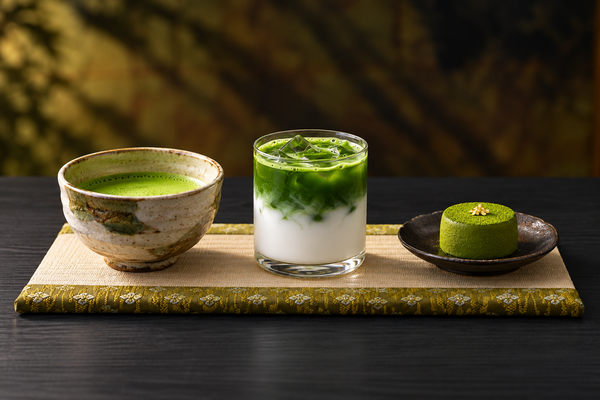
How to Choose Matcha by Use: Drinking, Lattes, and Sweets
Choosing matcha becomes much easier when you begin with how you want to use it. Here is a calm, practical guide to ch...
Read More →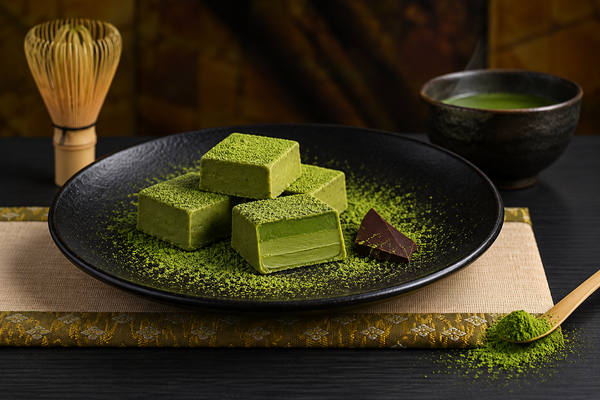
How to Enjoy Matcha Chocolate: Choosing, Pairing, and Making It at Home
A calm guide to matcha chocolate, covering sweetness, cacao, dairy, simple homemade tips, pairings, and how matcha qu...
Read More →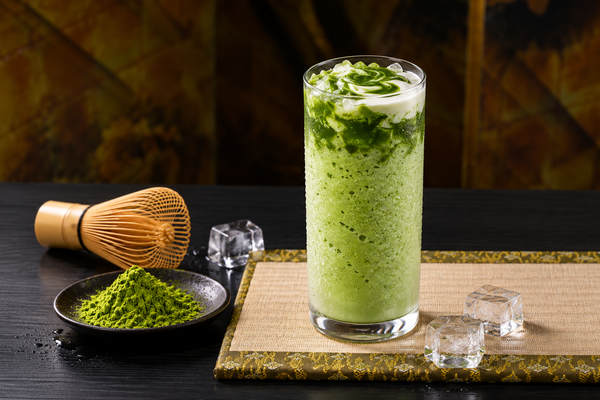
How to Make a Matcha Frappuccino-Style Drink at Home
A calm, practical guide to making a cold blended matcha drink at home, with tips on texture, sweetness, milk, ice, an...
Read More →