

The History of Matcha: From Zen Monks to Modern Cafés
Supervised by Wakimoto Jokoen Co., Ltd. — Uji tea manufacturer, Kyoto
Share
Hello from ICHIZEN. When you whisk a bowl of matcha, you may wonder how this vivid green tea became so closely connected with Japan.
The history of matcha is not only a story of the past. It connects Zen practice, tea ceremony, Uji tea craft, and the matcha lattes and sweets you see in cafés today.
Matcha began with Zen culture
The powdered tea style that led to matcha came to Japan from Song-dynasty China. In the Kamakura period, the Zen monk Eisai transmitted the Song method and wrote Kissa Yojoki, helping tea spread through temples.
Tea was appreciated not only for taste, but also as part of a quiet, focused way of living. The act of preparing tea with care still gives matcha its distinctive feeling of calm.
Tea ceremony shaped matcha into a Japanese culture
In the Nanboku-cho period, tea-identification contests became popular, and tea from Toganoo was treated as honcha, or “true tea.” From the Muromachi into the Azuchi-Momoyama period, chanoyu deepened, and beauty in simplicity became important alongside lavish gatherings.
Figures such as Murata Juko, Takeno Joo, and Sen no Rikyu helped shape the spirit of tea. Because of that history, matcha became more than a drink. It became a way to welcome someone, notice the season, and pay attention to a single moment.
Why is Uji so closely associated with matcha?
Kyoto Uji is essential when we talk about matcha. By the late sixteenth century, shaded cultivation had become common there, shifting tea from pale and bitter toward vivid green color and umami. Missionary Joao Rodrigues also described Uji tea gardens in his history of the church in Japan.
Unlike steeped teas such as sencha, matcha is made by turning the tea leaf itself into a fine powder and whisking it with water. That means the quality of the leaf and the fineness and uniformity of the powder are directly felt in the cup.
If you would like to understand this background more deeply, you may enjoy our guide to what Uji matcha is.
From the Edo period to modern sales
During the Edo period, shaded cultivation was restricted to Uji tea masters' three guilds, and the shogunate was a major customer through the tea-jar processions. After the Meiji Restoration removed that market, Uji increased production of sencha for export.
Tencha was still commonly sold as leaf through the Taisho period for customers to mill themselves. After electricity reached Uji in 1913, powered tea mills spread and shops increasingly sold matcha already ground.
Today, matcha has moved from tea rooms to cafés
Research on products such as Uji ice cream was underway by the early Showa period. Demand grew again from around 1985, with turning points around 1996 and 2005, as matcha became familiar in lattes, ice cream, baked sweets, and other everyday products.
Still, the character of matcha comes from the balance of color, aroma, umami, and gentle bitterness. If you are new to matcha, try not to judge it by bitterness alone. Water temperature, powder amount, milk, and sweetness can all change the impression.
- For usucha, look for aroma and a soft finish.
- For lattes, choose matcha with enough color and flavor to carry through milk.
- For sweets, consider how the flavor remains after mixing or heating.
How ICHIZEN carries matcha into the present
ICHIZEN’s matcha comes from Kyoto Uji and is selected and refined by Wakimoto Jokoen, a fourth-generation green-tea wholesaler in Ide-cho, Kyoto. Their trained tea-judging perspective helps evaluate color, aroma, and taste with care.
ICHIZEN matcha is machine-milled into an ultra-fine, uniform powder. This helps create a smooth texture when whisked and a clean, easy integration when used for lattes or other daily preparations.
Knowing the history changes the way a cup feels
The history of matcha may sound distant, but it is present in the bowl in front of you. Zen monks carried the habit of powdered tea, tea ceremony refined its meaning, Uji tea craft supported its flavor, and modern cafés opened new ways to enjoy it.
Next time you prepare matcha, pause for a moment before drinking. The long history of matcha and your own quiet moment can meet in that single cup.
FAQ
When did matcha come to Japan?
The powdered tea style that led to matcha was transmitted from Song China by the Zen monk Eisai during the Kamakura period. It later developed through temples, warrior culture, and tea ceremony into a distinctly Japanese tradition.
Is the history of matcha different from sencha?
Yes. Matcha developed from a powdered tea style that is whisked with water, while sencha became popular as a steeped leaf tea. The tools and way of enjoying them are different; neither is superior, just distinct.
Why is Uji famous for matcha?
Uji has long been associated with tea-making skill and tea distribution, including shaded cultivation and tencha production. Its culture values delicate aroma and flavor, making it an important region for understanding matcha.
Is modern matcha the same as historical matcha?
The basic idea of whisking powdered tea with water remains, but modern matcha benefits from improved quality control and milling technology. It is now used not only in tea but also in lattes and sweets, depending on the purpose.
References
- Hideki Kuwabara, Zoho Kaitei Uji Matcha Ton'ya Yondaime ga Oshieru Omatcha no Subete (Seibundo Shinkosha, 2019), pp. 018, 021–023, 034, 050–054, 061–073, 084, 144.
Column
Related Articles
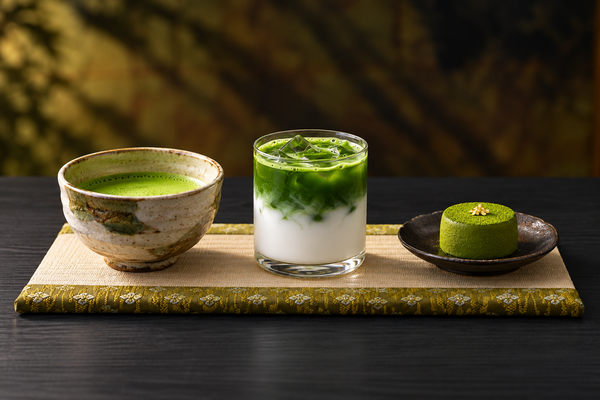
How to Choose Matcha by Use: Drinking, Lattes, and Sweets
Choosing matcha becomes much easier when you begin with how you want to use it. Here is a calm, practical guide to ch...
Read More →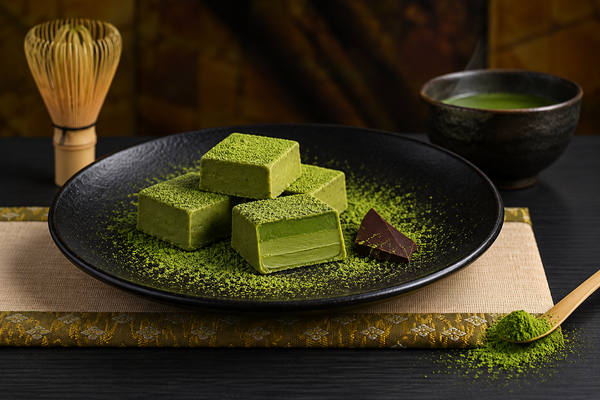
How to Enjoy Matcha Chocolate: Choosing, Pairing, and Making It at Home
A calm guide to matcha chocolate, covering sweetness, cacao, dairy, simple homemade tips, pairings, and how matcha qu...
Read More →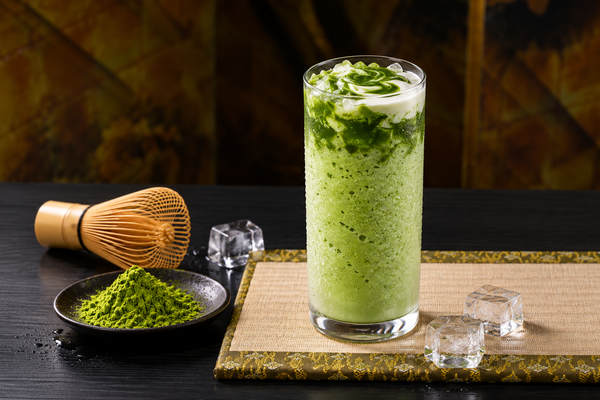
How to Make a Matcha Frappuccino-Style Drink at Home
A calm, practical guide to making a cold blended matcha drink at home, with tips on texture, sweetness, milk, ice, an...
Read More →