

How to Spot Fake Matcha: A Calm Buyer’s Guide
Supervised by Wakimoto Jokoen Co., Ltd. — Uji tea manufacturer, Kyoto
Share
The easiest way to choose with confidence is to look at a few things together: the ingredient list, color, aroma, powder texture, and the intended use. Once you know what to check, buying matcha becomes much calmer.
What do people mean by “fake matcha”?
“Fake matcha” can mean several different things. Sometimes it refers to powdered green tea being presented like matcha. Sometimes it means a sweetened latte mix, or a product whose color and flavor are supported by added flavorings or colorants.
That does not mean every matcha latte mix is bad. It may be exactly what you want for a sweet milk drink. But if you are looking for pure matcha to whisk and drink, it is important to tell these products apart.
What should you check before buying?
Start with the ingredient list
If you want pure matcha, the ingredient list should be simple and tea-based. If you see sugar, milk powder, flavorings, or colorants, you are likely looking at a mix or processed matcha-flavored product rather than pure matcha.
That may still be useful for desserts or sweet drinks. The key is to match the product to your purpose.
Powdered green tea is not always matcha
Matcha is made from tencha, tea leaves grown under shade and processed specifically for grinding into a fine powder. Powdered green tea may instead use sencha, autumn-picked tencha, or moga, tea that is rolled and dried before grinding. These materials usually taste and behave differently in the bowl.
According to Omatcha no Subete, powder distinguished as “matcha for processing” in raw-material trade may still appear simply as “matcha” on a finished product’s ingredient list. Read the product name, intended use, and seller’s explanation together rather than relying on one word.
Powdered green tea can be a convenient everyday tea. But if you expect the soft umami, fine texture, and whisked mouthfeel of matcha, you may notice the difference.
Can you judge matcha by color and aroma?
Good matcha often has a vivid, natural green color. Still, photos and lighting can be misleading. In person, a powder that looks strongly yellow, brown, or dull may suggest age, oxidation, or less careful storage.
Aroma is another useful clue. Look for fresh green notes, gentle sweetness, and a soft seaweed-like nuance. If the powder smells strongly artificial, stale, oily, or damp, it is better not to force yourself to use it.
What should you notice after opening?
Fine matcha should feel smooth and disperse more easily in water. If the powder is very gritty, sinks quickly, or forms stubborn clumps, the particle size or moisture exposure may be part of the issue.
When tasting, do not look only for “not bitter.” Matcha naturally has bitterness and astringency, but they should sit alongside umami and a clean finish. Balance matters.
If you would like a step-by-step way to shop, our matcha choosing checklist may help.
Does very cheap matcha mean it is fake?
Price alone cannot prove whether matcha is real. However, matcha requires careful cultivation, processing, grinding, and storage. If the price seems unusually low, check whether it is powdered green tea, culinary matcha, a blend, or a sweetened mix.
The best choice depends on how you will use it. A daily latte, a bowl of usucha, and baking all call for slightly different qualities. You can read more in our guide to matcha grades.
A simple checklist to avoid disappointment
When in doubt, check these points before buying:
- Does the ingredient list match what you want?
- Is it clearly labeled as pure matcha, powdered green tea, or a latte mix?
- Does the color look naturally green rather than dull?
- Are flavorings or colorants being used to support the taste or color?
- Are storage guidance and best-before information easy to find?
ICHIZEN’s matcha is Kyoto Uji matcha, selected and refined with the involvement of Wakimoto Jokoen, a fourth-generation tea wholesaler in Kyoto. It is machine-milled into an ultra-fine, uniform powder. We care more about natural aroma and a calm drinking experience than dramatic claims.
The quiet way to choose real matcha
The best way to spot fake matcha is not to rely on a single sign. Look at the label, color, aroma, powder texture, and intended use together.
Are you looking for a bowl to whisk and drink, or a matcha for milk? Once your purpose is clear, the right product becomes much easier to see. Start with the ingredient list, and choose gently from there.
FAQ
What is the difference between matcha and powdered green tea?
Matcha is finely ground tencha. Powdered green tea may use sencha, autumn-picked tencha, or rolled and dried moga, so its aroma, umami, and mouthfeel can differ.
Is matcha latte mix fake matcha?
Matcha latte mix is a processed product that may contain sugar or milk ingredients. It is not necessarily bad, but if you want pure matcha, check the ingredient list carefully.
If the color is bright green, does that mean it is real matcha?
Bright green color can be a helpful sign, but it is not enough by itself. Check the ingredients, aroma, powder fineness, and storage condition together.
How should I store matcha after opening?
Keep matcha sealed away from moisture, light, heat, and strong odors, and aim to use it within about one month. If refrigerated, let the container come closer to room temperature before opening to reduce condensation.
References
- Hideki Kuwabara, Zoho Kaitei Uji Matcha Ton'ya Yondaime ga Oshieru Omatcha no Subete (Seibundo Shinkosha, 2019), pp. 012–013, 017.
Column
Related Articles
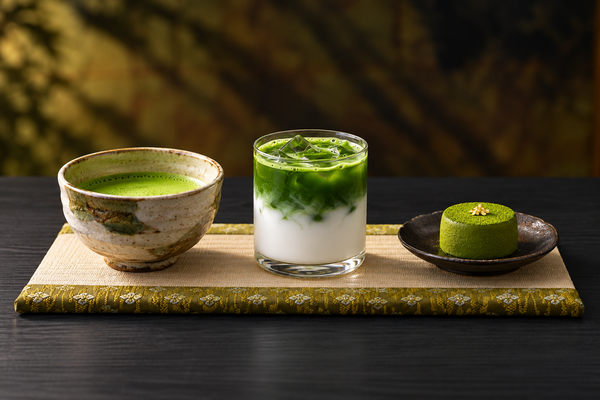
How to Choose Matcha by Use: Drinking, Lattes, and Sweets
Choosing matcha becomes much easier when you begin with how you want to use it. Here is a calm, practical guide to ch...
Read More →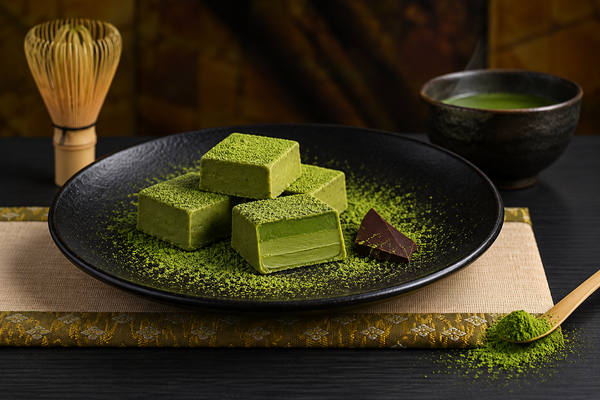
How to Enjoy Matcha Chocolate: Choosing, Pairing, and Making It at Home
A calm guide to matcha chocolate, covering sweetness, cacao, dairy, simple homemade tips, pairings, and how matcha qu...
Read More →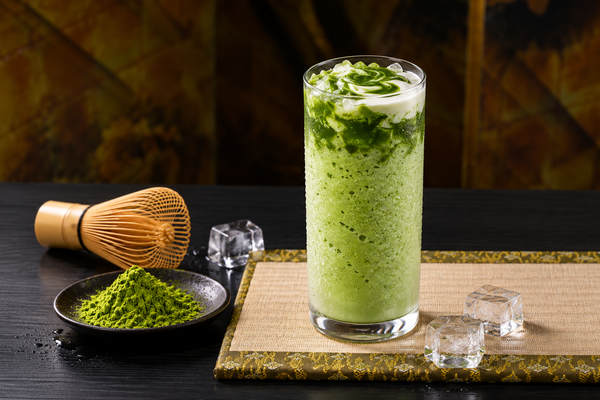
How to Make a Matcha Frappuccino-Style Drink at Home
A calm, practical guide to making a cold blended matcha drink at home, with tips on texture, sweetness, milk, ice, an...
Read More →