

What to Eat with Matcha: A Practical Wagashi Pairing Guide
Supervised by Wakimoto Jokoen Co., Ltd. — Uji tea manufacturer, Kyoto
Share
Hello from ICHIZEN. If you have ever prepared a bowl of matcha and wondered, “What should I eat with this?” you are not alone.
A good pairing does not need to be complicated. The basic idea is to let sweetness soften matcha’s pleasant bitterness and astringency, while keeping enough space for the tea’s aroma to come through.
Why are sweets eaten before matcha?
In a tea gathering, sweets are generally received before the tea. On the taste side, sweetness helps prepare the palate and creates a gentle contrast with matcha’s bitter and savory notes.
There is also the flow of hospitality. The host offers a seasonal sweet first, and the guest carries that sweetness into the bowl of tea. It is not only about flavor, but also about the pace of the moment.
If you would like a wider introduction to the setting, our beginner’s guide to the Japanese tea ceremony may be helpful.
Are certain sweets only for usucha or koicha?
You may hear that dry sweets are for usucha, or thin tea, and moist, fresh wagashi are for koicha, or thick tea. This is often introduced in tea experiences, and it can be a useful starting point.
Still, it is not an absolute rule. Public beginner materials from Omotesenke Fushin’an include examples where both main sweets and dry sweets are handled before usucha. Pairings can change with the school, gathering, season, and temae.
For home use, think of it this way: usucha is easy to enjoy with lighter sweetness and drier textures, while koicha often pairs well with moist main sweets made with bean paste. For more context, see our guide to usucha and koicha.
| Style of matcha | Sweets that tend to pair well | How to think about it |
|---|---|---|
| Usucha | Dry wagashi, light baked sweets, small semi-moist sweets | Keep sweetness and aroma gentle to match the light foam |
| Koicha | Fresh wagashi, moist sweets with bean paste | Choose a soft sweetness that can meet the tea’s density |
How to choose at home: four simple points
At home, you do not need to recreate a formal tea gathering. It is enough to choose something that makes your bowl feel balanced and calm.
- Sweetness: enough to meet matcha’s bitterness, but not so much that it overwhelms the tea.
- Aroma: citrus, roasted soybean flour, and sesame can work well; strong artificial fragrance may cover the matcha.
- Texture: light, crisp textures suit usucha; moist textures often feel natural with koicha.
- Season: cherry blossom or yomogi in spring, kuzu or kanten in summer, chestnut in autumn, and richer bean paste in winter.
When in doubt, choose a small sweet first. After one sip of matcha, notice whether the sweet’s aroma is still dominating your palate. That simple check will guide your next pairing.
You can use the same idea for Western sweets
This way of thinking also works beyond wagashi. A mildly buttery sablé, a not-too-sweet financier, or a small piece of milk chocolate can be pleasant with matcha.
On the other hand, sweets with heavy spice, strong flavoring, or thick sugar coating may make the tea harder to taste. If you still want to enjoy them, make the portion smaller.
Please also check ingredient labels, especially for allergens such as wheat, egg, milk, nuts, and sesame. The appearance of a sweet does not always tell you what it contains.
Let the matcha guide the sweet
Different matcha calls for slightly different pairings. ICHIZEN’s Uji matcha is selected and refined by Wakimoto Jokoen in Kyoto, and machine-milled into an ultra-fine, uniform powder.
On days when you want to notice the tea’s aroma and umami quietly, keep the sweet modest. On days when you want a fuller dessert feeling, a slightly stronger bowl can also be enjoyable. You can view the tea profile on the Uji Matcha Ceremonial product page.
A gentle place to begin
The best sweet for matcha is not one fixed answer. It is a balance of sweetness, aroma, texture, and season.
If you are new to pairing, start small: a dry wagashi, a seasonal main sweet, or a quiet baked sweet. From there, your own preferences will become clear, one bowl at a time.
Public references consulted: Omotesenke Fushin’an “Ocha o nomu,” Urasenke “Ocha o itadaku,” and Omotesenke Fushin’an “Chakai no junbi.”
FAQ
What should I eat with matcha?
Usucha pairs well with dry wagashi or light baked sweets, while koicha often suits moist sweets made with bean paste. Choose sweets whose sweetness, aroma, and texture do not overpower the tea.
Why are wagashi eaten before matcha in a tea gathering?
The sweetness of wagashi contrasts with matcha’s bitterness and astringency, helping prepare the palate. It also forms part of the host’s seasonal hospitality before serving tea.
Can I serve a main sweet with usucha?
Yes. Usucha is not limited to dry sweets only. Pairings vary by tea school, gathering, season, and temae, and some beginner explanations include main sweets before usucha.
Can I pair matcha with Western sweets?
Yes. Mild sablés, financiers, and small pieces of chocolate can work well. If a sweet has strong fragrance or spice, serve a smaller portion so the matcha remains easy to taste.
Column
Related Articles
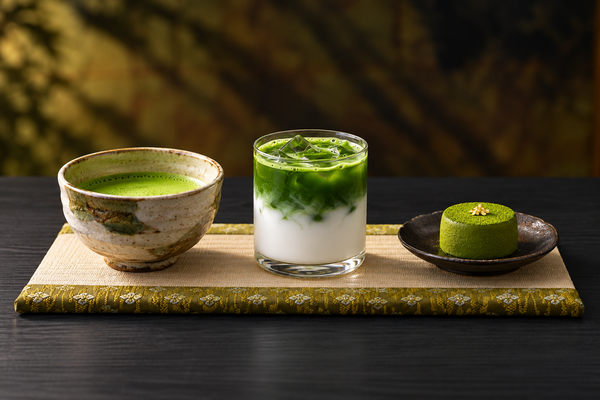
How to Choose Matcha by Use: Drinking, Lattes, and Sweets
Choosing matcha becomes much easier when you begin with how you want to use it. Here is a calm, practical guide to ch...
Read More →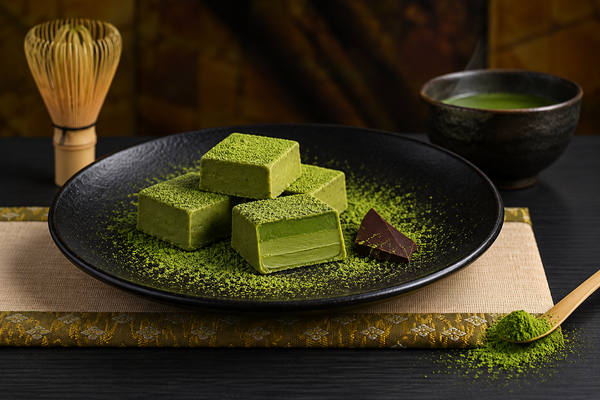
How to Enjoy Matcha Chocolate: Choosing, Pairing, and Making It at Home
A calm guide to matcha chocolate, covering sweetness, cacao, dairy, simple homemade tips, pairings, and how matcha qu...
Read More →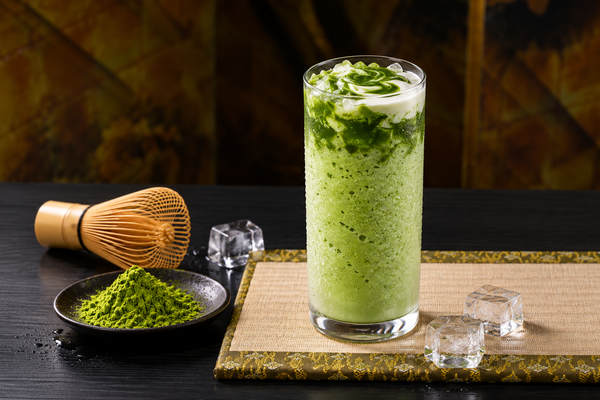
How to Make a Matcha Frappuccino-Style Drink at Home
A calm, practical guide to making a cold blended matcha drink at home, with tips on texture, sweetness, milk, ice, an...
Read More →