抹茶 is called matcha in English, too. If you are looking for an English equivalent, start with this word and add a short explanation for your reader.
Start with “matcha”
In many café and food contexts, “matcha” works on its own. For someone unfamiliar with it, add “Matcha is a finely powdered Japanese green tea.”
Why “powdered green tea” can be too broad
“Powdered green tea” can include green tea powders other than matcha. For a product name or menu item that specifically contains matcha, matcha is clearer.
“Matcha green tea powder” can help explain that a product is a powder. Distinguishing a drink from the powder used to make it helps avoid confusion.
Natural phrases for different situations
For a menu
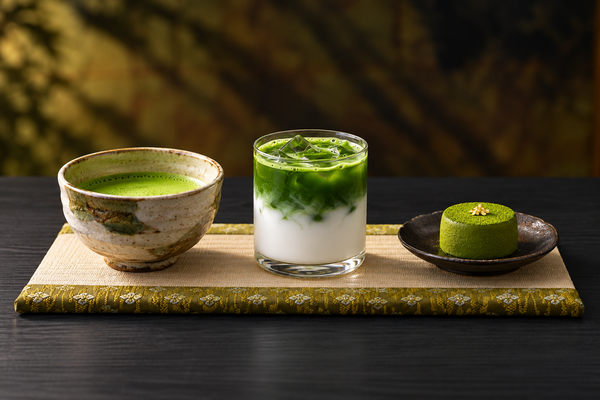
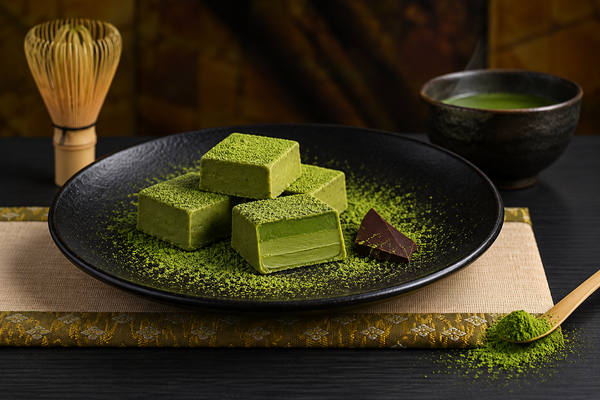
Use “Matcha Latte” for a latte and “Iced Matcha” for cold matcha. If it contains milk, use “Iced Matcha Latte”; for sweets, a specific name such as “Matcha Cake” tells readers what to expect.
For a gift
Try “This is matcha, a finely powdered Japanese green tea traditionally whisked with hot water.” This briefly explains both the tea and how it is prepared.
For overseas buyers
ICHIZEN is a matcha brand from Uji, Kyoto. The tea is selected and refined by 脇本常香園, whose English name is Wakimoto Jokoen.
You can say “Matcha from Uji, Kyoto, selected and refined by Wakimoto Jokoen.” For more background, share ICHIZEN’s brand story.
Small wording mistakes to avoid
Choose your words according to what you want to explain.
“Green tea” alone includes teas such as sencha.
“Powdered green tea” alone does not specify whether the tea is matcha.
“Japanese matcha” can clarify that the matcha comes from Japan. The word “matcha” alone does not establish its origin.
Short English phrases you can use
To describe flavor, choose words that match what you have tasted. Bitterness and texture vary with the tea and its preparation.
It has a rich taste with a gentle bitterness.
You can whisk it with hot water or enjoy it as a latte.
Start with matcha. Add an explanation for someone unfamiliar with it, name the drink or sweet on a menu, or describe preparation when giving it as a gift.
FAQ
Can I just say “matcha” in English?
In many café and food contexts, yes. For someone unfamiliar with it, add “a finely powdered Japanese green tea.”
What is the difference between “powdered green tea” and “matcha”?
“Powdered green tea” can refer to green tea powder in general. If you mean matcha specifically, “matcha” is clearer.
How do you say 抹茶ラテ in English?
Say “Matcha Latte.” For a cold matcha latte, use “Iced Matcha Latte.”
How should I explain matcha as a gift overseas?
Say “This is matcha, a finely powdered Japanese green tea.” Add a sentence about its origin or preparation if needed.