Hello from ICHIZEN. If you enjoy the soft, creamy matcha tea latte you find in cafés, you may be wondering how to make something similarly balanced at home.
A matcha tea latte is not about copying one exact café recipe. It is about finding the right balance of matcha, milk, and sweetness for your own cup.
What is a matcha tea latte?
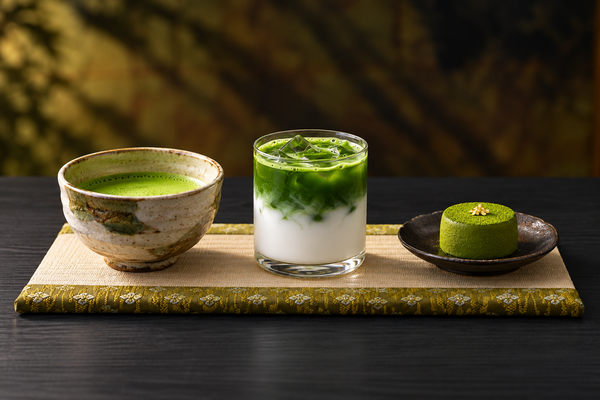
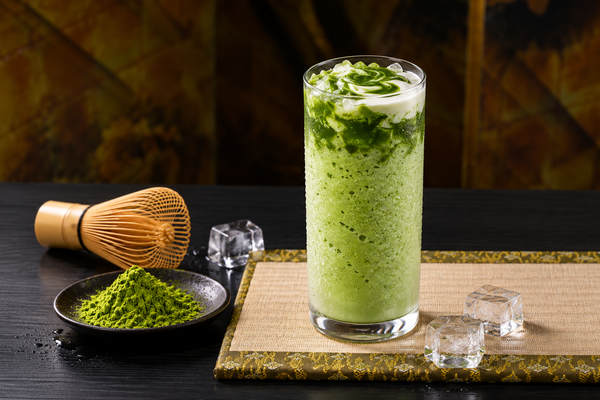
A matcha tea latte is made by whisking matcha with a small amount of warm water, then combining it with milk. It can be served hot or iced, with sugar, syrup, honey, or no added sweetener at all.
The flavor is built from three parts: the green aroma of matcha, the roundness of milk, and the finish of sweetness. Too much sweetness can make the drink easy to sip, but it may also hide the character of the tea.
How do you make it taste more café-style?
Dissolve the matcha first
If you add matcha powder directly to milk, it can clump and feel grainy. Start with about 2 g of matcha and 40–60 ml of water at around 70–80°C, then whisk until smooth before adding milk.
If you would like a gentle guide, see our page on how to prepare matcha. A bamboo whisk is ideal, but a small whisk or milk frother can also help at home.
Use 120–150 ml of milk as a starting point
For 2 g of matcha, 120–150 ml of milk is an easy range to begin with. Use less milk when you want a stronger matcha flavor, and more milk when you want a softer cup.
Dairy milk gives a rounded body. Oat milk often brings gentle sweetness. Soy milk can add a nutty note, so it is worth testing in a small amount first.
How sweet should a matcha tea latte be?
If you are making it for the first time, begin with 1–2 teaspoons of syrup and adjust from there. Iced drinks often taste less sweet when cold, so they may need a little more sweetness than a hot latte.
If you prefer a less sweet drink, try increasing the milk slightly before adding more sugar. Bitterness can also come from water that is too hot or matcha that has not been whisked smoothly.
How should you choose matcha for a latte?
For a matcha tea latte, look for matcha with enough aroma to stand up to milk and a fine, even texture. Coarser powders can leave a heavier mouthfeel, especially in iced drinks.
ICHIZEN’s matcha comes from Kyoto Uji and is selected and refined by Wakimoto Jokoen, a fourth-generation green-tea wholesaler in Ide-cho, Kyoto, with a trained tea-judging eye. The matcha is machine-milled into an ultra-fine, uniform powder.
A good way to find your preferred balance is to whisk the matcha a little stronger at first, then add milk gradually. You can also browse ICHIZEN’s matcha selection when choosing a tea for lattes.
Small tips to avoid common mistakes
Sift the matcha before whisking.
Use warm water around 70–80°C, not boiling water.
For iced lattes, dissolve the matcha before adding ice and milk.
This is especially important for iced drinks. When matcha is smoothed with a little warm water first, the color looks cleaner and the texture becomes more pleasant.
Your home cup can be adjusted slowly
A matcha tea latte does not have one correct answer. Some days you may want it deeper and greener; other days, softer and milkier.
Start with 2 g of matcha, 40–60 ml of warm water, and 120–150 ml of milk. From there, adjust the sweetness little by little until the cup feels right for you.
FAQ
What is the difference between a matcha tea latte and a matcha latte?
In everyday use, they usually refer to almost the same drink. Both are made by dissolving matcha in water and combining it with milk. “Tea” simply emphasizes that the flavor comes from tea leaves.
Can I make a matcha tea latte without sugar?
Yes. Dairy milk or oat milk can bring enough natural sweetness for some tastes. If it feels bitter, try cooler water or a little more milk before adding sweetener.
Can I use milk alternatives?
Yes. Soy, oat, and almond milk can all work. Each changes the sweetness, body, and aroma, so starting with an unsweetened version helps you understand how it pairs with matcha.
Why does matcha sink in an iced latte?
Matcha often sinks when it is added directly to cold milk and does not disperse fully. Sift it first, whisk it with a small amount of warm water, then add ice and milk.
Can I use culinary matcha for a latte?
You can, but coarser or more bitter matcha may feel heavy in a latte. For a smoother cup, choose matcha with good color, aroma, and a fine texture that remains present with milk.