

Why Is Matcha So Expensive? How Its Price Is Built
Supervised by Wakimoto Jokoen Co., Ltd. — Uji tea manufacturer, Kyoto
Share
Hello from ICHIZEN. If you have ever compared two tins of matcha and wondered, “Why is matcha so expensive?” you are asking a very reasonable question.
The short answer is that the price is not decided by one single factor. It is built gradually through shade cultivation, tencha processing, refining, milling, quality evaluation, packaging, and distribution.
Where does the price of matcha begin?
Matcha is not simply any green tea ground into powder. In general, matcha is made from tencha. Tencha leaves are shaded for about two to three weeks before harvest, then steamed and dried without being rolled.
That shading step already affects cost. In the traditional honzu system, one tan of tea field required about 240 crossbars and 300 reed screens, and the covering structure was dismantled after harvest. Covering methods now vary, but materials, installation, removal, and field management still help explain the labor behind the price.
If you would like to follow the full production flow, our guide to how matcha is made is a helpful companion.
The steps that shape matcha’s price
It can be tempting to say that expensive matcha costs more only because it is stone-milled. In reality, that explanation is too simple. Price is shaped by several layers of selection, processing, and protection.
| Step | Why it can affect price |
|---|---|
| Shade cultivation | Materials, installation, removal, and careful cultivation management are required |
| Harvesting and sorting | The condition of the leaf must be assessed and unwanted parts separated |
| Tencha processing | The leaves are steamed, then dried without rolling to prepare them for matcha |
| Refining | Stems and veins are separated, and flavor, color, and aroma are adjusted |
| Milling | Fine, even powder requires suitable technology and control |
| Packaging and distribution | The tea must be protected from light, oxygen, and moisture |
Milling is not only about speed
A traditional tea stone mill works in small batches, producing about 40 g per hour per mill. Its surface warms during use, and the book explains that the stone-milled aroma becomes more pronounced after the mill has warmed. It is therefore inaccurate to describe the process simply as milling while suppressing heat.
That output figure is a general description of traditional stone mills, not an ICHIZEN specification. Matcha definitions also allow milling methods with functions comparable to a tea stone mill. Fineness, uniformity, mouthfeel, and effects on aroma all matter.
ICHIZEN’s matcha is selected and refined by Wakimoto Jokoen from Kyoto Uji matcha, then machine-milled into an ultra-fine, uniform powder. We do not describe it as stone-milled, single-farm, first-flush-only, or hand-picked.
Does a higher price always mean better taste?
This is where it helps to choose calmly. A higher-priced matcha may reflect more careful leaf selection, refining, sensory evaluation, and packaging. But higher price does not automatically mean it will be your favorite.
The right matcha depends on how you want to enjoy it: as usucha, as koicha, in a latte, or in sweets. Each use asks for a slightly different balance.
- For drinking straight, look at aroma, umami, and mouthfeel
- For lattes, look for flavor and color that remain clear with milk
- For baking, consider how color and aroma hold up after heating
For a deeper look at the same question, you may also enjoy our article on what makes matcha expensive.
Packaging is part of protecting quality
Because matcha is a very fine powder, it is sensitive to light, oxygen, moisture, and odors. Even carefully made matcha can change in flavor if it is stored poorly.
ICHIZEN’s Uji matcha is nitrogen-filled and packed in light-blocking packaging. After opening, close the package tightly and keep it in a cool, dark place. Avoiding humidity and strong odors can make your daily bowl more consistent.
If you are choosing ceremonial-grade matcha for the first time, it can be helpful to compare products where origin, refining, milling, and packaging are clearly explained, such as ICHIZEN Uji Matcha.
When you understand the price, choosing becomes easier
The price of matcha is not decided only by shading, and not only by the milling method. Field management, tencha processing, refining, sensory evaluation, packaging, and distribution all connect to the final bowl.
Next time you choose matcha, try not to look at price alone. Think about how you want to drink it, and what kind of texture and flavor you enjoy. That small pause can make the right tin much easier to find.
Public references consulted: Ministry of Agriculture, Forestry and Fisheries, “Nippon Traditional Food Encyclopedia: Uji Tea”; Japan Tea Central Public Interest Incorporated Association, “Green Tea Labeling Standards: Names and Definitions”; Ministry of Agriculture, Forestry and Fisheries, “Regional Collaboration Case Study on Tencha Cultivation.”
FAQ
What is the difference between matcha and powdered green tea?
In general, matcha is made by finely milling tencha, which is produced from shade-grown tea leaves. Powdered green tea may include ground sencha or other teas, so the raw material and process can differ.
How soon should I use matcha after opening?
After opening, matcha is more easily affected by light, oxygen, and moisture. Follow the date on the package, keep it sealed in a cool, dark place, and use it while the aroma is still fresh.
Can I drink culinary matcha as usucha?
If the product labeling allows it, you can drink it, but culinary matcha may be designed with color or heat performance in mind. For usucha, mouthfeel and aroma are also worth considering.
Does all Uji matcha taste the same?
No. Even within Uji matcha, flavor, aroma, color, and texture vary depending on leaf selection, refining, milling, packaging, and storage. Choose according to your taste and intended use.
References
- Hideki Kuwabara, Zoho Kaitei Uji Matcha Ton'ya Yondaime ga Oshieru Omatcha no Subete (Seibundo Shinkosha, 2019), pp. 037–039, 046–048.
Column
Related Articles
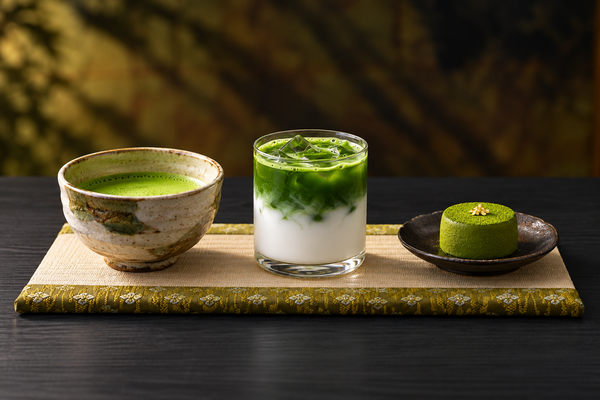
How to Choose Matcha by Use: Drinking, Lattes, and Sweets
Choosing matcha becomes much easier when you begin with how you want to use it. Here is a calm, practical guide to ch...
Read More →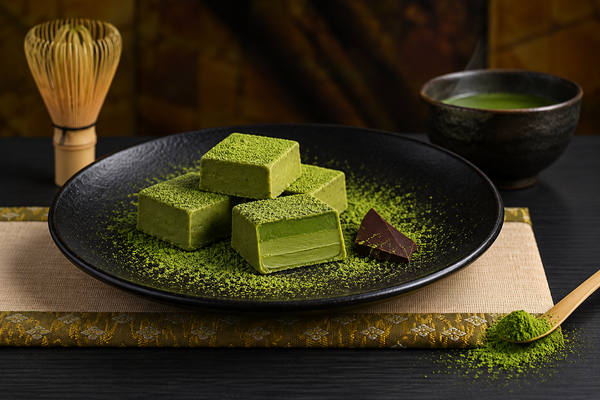
How to Enjoy Matcha Chocolate: Choosing, Pairing, and Making It at Home
A calm guide to matcha chocolate, covering sweetness, cacao, dairy, simple homemade tips, pairings, and how matcha qu...
Read More →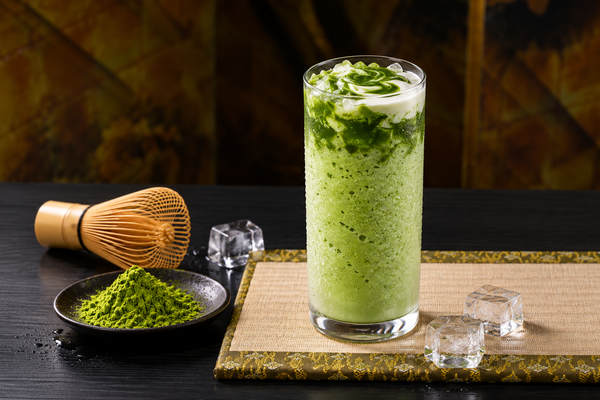
How to Make a Matcha Frappuccino-Style Drink at Home
A calm, practical guide to making a cold blended matcha drink at home, with tips on texture, sweetness, milk, ice, an...
Read More →