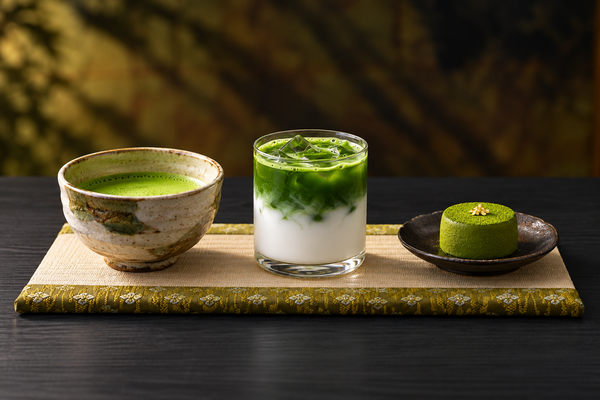
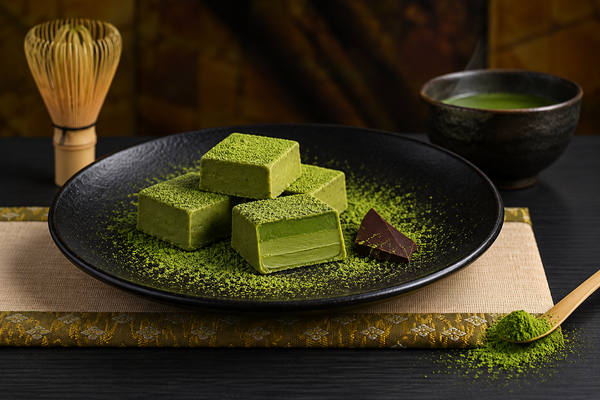
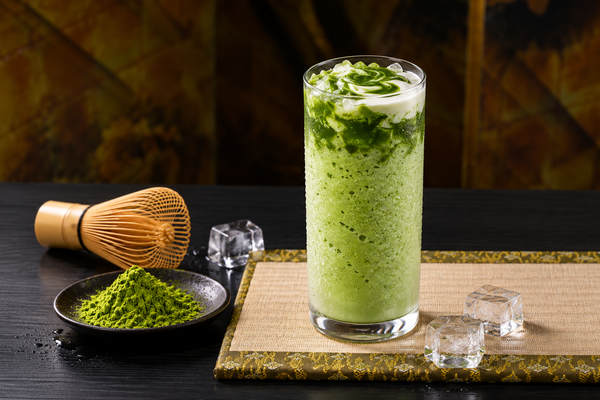
For baking and cooking, the best culinary matcha is one that keeps its color, aroma, and gentle bitterness even when mixed with flour, sugar, butter, or dairy. Here is a simple way to choose with confidence.
For baking, matcha needs to show through
When matcha is used in sweets, it is rarely tasted on its own. It meets eggs, flour, butter, sugar, milk, chocolate, or cream.
That means the matcha should have enough presence to remain noticeable. A bright green color and a fresh, grassy aroma are especially helpful when you want a clear matcha flavor in baked goods.
What should you look for?
1. Choose a bright green color
Color has a direct effect on the finished look of your dessert. A dull or brownish powder can make cakes and cookies look muted after baking.
Omatcha no Subete explains that matcha for food processing is judged first by its color after grinding and second by astringency. Color is not the only point: moderate astringency may suit cooking, while cream, white chocolate, and delicate sweets also benefit from a clean aroma.
2. Bitterness can be useful
In baking, sugar and fat soften matcha’s bitterness. A slightly bittersweet matcha can help the flavor stand out instead of disappearing into the batter.
What you want to avoid is harshness, stale aroma, or a heavy powdery aftertaste. A good culinary matcha may be bold, but it should still feel clean.
The cultivar Okumidori is one example valued for food processing. This is a general cultivar example, not a statement about the cultivar composition of ICHIZEN culinary matcha.
3. Fine powder matters for texture
Matcha is a powdered ingredient that you actually consume, not something you steep and remove. If the powder is coarse, it can leave specks, lumps, or a grainy feeling in cream.
ICHIZEN’s Kyoto Uji matcha is selected and refined by Wakimoto Jokoen, a Kyoto tea wholesaler, then machine-milled into an ultra-fine, uniform powder. This helps it blend smoothly for both preparation and culinary use.
How much matcha should you use?
A little matcha changes a recipe quickly. If you are trying a recipe for the first time, start modestly and adjust next time to your taste.
Pound cake: 5–8 g matcha per 100 g flour
Cookies: 3–6 g matcha per 100 g flour
Whipped cream: 1–2 g matcha per 100 g cream
White chocolate: 3–5 g matcha per 100 g chocolate
For baked goods, sift matcha together with the flour to reduce lumps. For cream or chocolate, first make a small paste with a little warm water or milk, then blend it in for a more even color.
Should you separate drinking matcha and culinary matcha?
If you bake often, keeping one matcha mainly for cooking is practical. A matcha with strong color and aroma can give satisfying results even in small amounts.
If you also enjoy whisking matcha as usucha, smoothness and aftertaste become more important. For a deeper comparison, you may find our guide to ceremonial vs culinary matcha helpful.
Protect the aroma after opening
Matcha is sensitive to light, air, humidity, and heat. After opening, close the package tightly, store it in a cool place, preferably the refrigerator, and aim to use it within about one month.
A clean, dry spoon also helps. Rather than buying a very large amount that stays open for months, choose a size that fits the way you actually bake.
A quiet final note
The best culinary matcha for baking is not simply the cheapest one. Look for lively color, clear aroma, balanced bitterness, and a fine texture.
FAQ
What is the difference between culinary matcha and drinking matcha?
Culinary matcha is chosen for color and aroma that remain noticeable with sugar, dairy, and heat. Drinking matcha is also judged by smoothness, mouthfeel, and aftertaste.
Is matcha powder the same as powdered green tea?
No. Matcha is made from tencha that is ground into powder. Powdered green tea may be made from sencha or other teas, so the color, aroma, and bitterness can be different.
Why does matcha lose color when baked?
Matcha is sensitive to heat and light, so baking can make the green color calmer. Choosing a brighter matcha and avoiding overbaking can help the result look better.
How can I prevent matcha from forming lumps?
For baked goods, sift matcha with the flour. For cream, mix it first with a small amount of warm water or milk to make a paste, then blend it in with dry utensils.
References
Hideki Kuwabara, Zoho Kaitei Uji Matcha Ton'ya Yondaime ga Oshieru Omatcha no Subete (Seibundo Shinkosha, 2019), pp. 022, 029, 105–106.