
01
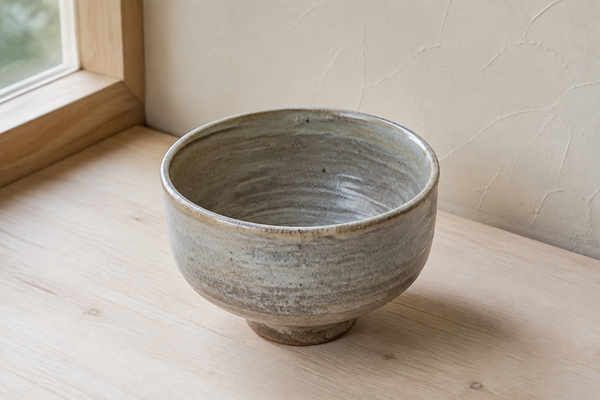
Chawan
A chawan is the bowl used to whisk and drink matcha. Its width, depth, shape, and stability affect how easily the chasen moves and how the bowl feels in the hand.
Matcha Reference / 01
A concise reference to the cultivation, craft, flavor, and preparation terms that shape matcha.
30 terms
A chawan is the bowl used to whisk and drink matcha. Its width, depth, shape, and stability affect how easily the chasen moves and how the bowl feels in the hand.

A chashaku is a slender scoop used to transfer matcha from a container such as a natsume into a tea bowl. It helps portion the powder before whisking.

A chasen is a bamboo whisk used to mix matcha with hot water and, especially for usucha, to create and refine the foam on the surface.

A tea specialist, or chashi, is a contextual term for a person involved in assessing tea, refining it, blending it, and shaping its flavor for a particular use.

A tea wholesaler is a specialist business that evaluates raw tea, refines it, blends it, stores it, and handles distribution. In matcha, the wholesaler helps shape ten...
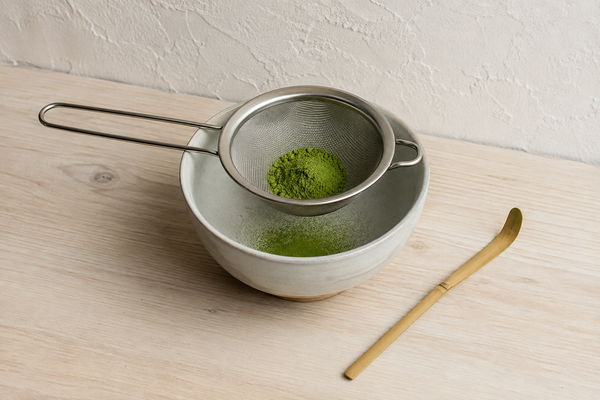
Sifting means passing matcha through a tea strainer or small sieve before whisking to break up clumps and help the powder disperse more evenly in water.

Water temperature is the temperature of the water poured into the bowl when preparing matcha. It affects aroma, perceived umami and bitterness, and how the foam forms.

Tateru means preparing matcha by adding hot water and using a chasen or similar tool to evenly combine the powder and water for drinking.

Koicha is a concentrated way of preparing matcha by kneading a larger amount of powder with a small amount of hot water, without whipping it into foam.

Usucha is a light style of prepared matcha, made by whisking a relatively small amount of matcha powder with hot water for a smooth, easy-drinking bowl.
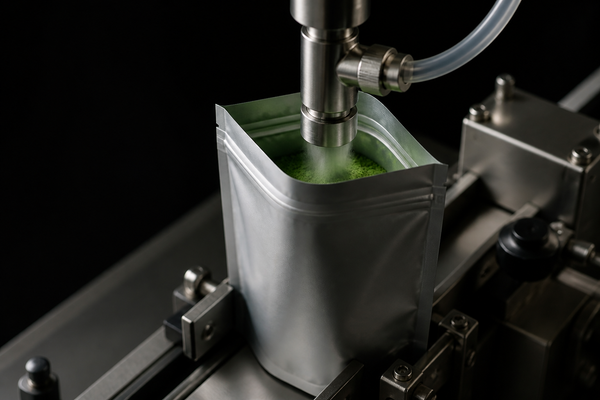
Nitrogen flushing is a packaging method that replaces oxygen inside a package with nitrogen to help slow changes in matcha’s color, aroma, and flavor before opening.

Particle size refers to the size and distribution of the particles that make up matcha powder, affecting mouthfeel and how easily the powder disperses in water.

Shade aroma, or ooi-ka, is a characteristic aroma often found in shade-grown teas. It is commonly compared to aonori-like seaweed notes and is valued in matcha and gyo...

Astringency is the tightening or drying sensation felt in the mouth when drinking matcha, and it is different from bitterness.

Umami is a basic taste in matcha, related to amino acids and often compared with the savory depth of dashi. It is distinct from sweetness and astringency.

Stone milling is a traditional matcha grinding method in which tencha is ground with a stone mill. It is a general processing term, not a description of ICHIZEN’s prod...

Gogumi, or tea blending, is the craft of evaluating several tea materials and combining them to reach a desired balance of aroma, umami, color, and taste.

Tea finishing refers to the group of processes—such as sorting, drying, firing, and blending—that refine aracha or tencha into a more consistent, usable tea product.

A tencha drying oven is the drying oven used to make tencha, the leaf material for matcha, by drying steamed tea leaves without rolling them.

Steaming is the tea-processing step in which freshly picked leaves are heated with steam to stop enzymatic oxidation. In matcha production, it helps preserve the leaf’...

Tea plucking, or tekisai, is the harvesting step in which tea buds and leaves are picked. In matcha production, it marks the point where cultivated leaves leave the fi...

A cultivar is a selected and cultivated line of tea plant with its own flavor tendencies and growing characteristics. In matcha, cultivar is one useful clue for unders...

A tea field, or chaen, is the place where tea bushes are grown, including the surrounding environment and cultivation management.

First harvest tea refers to tea leaves picked during the first harvest period of the year. It describes harvest timing, not a matcha grade or a claim that ICHIZEN is 1...

Covered culture is the practice of shading tea fields before harvest to regulate sunlight, influencing the color, umami, and astringency of matcha.

Ceremonial grade is a sales term often used to describe matcha intended for drinking plain; it is not an official, globally standardized grade.

Powdered green tea is a broad term for green tea leaves, such as sencha, ground into powder. It is usually distinguished from matcha, which is made from tencha.

Uji matcha is matcha understood within the official Uji-cha framework: tencha grown in Kyoto-centered tea-producing areas, finished by Kyoto tea businesses, and ground...

Tencha is the dried leaf tea used as the raw material for matcha. The leaves are steamed and dried without rolling, then refined before being milled into matcha powder.

Matcha is a Japanese green tea made by shading tea leaves, processing them into tencha, removing stems and veins, and milling the leaf into a fine powder.
No terms match these filters.