

How to Choose a Matcha Bowl (Chawan): Size, Shape & Material
Supervised by Wakimoto Jokoen Co., Ltd. — Uji tea manufacturer, Kyoto
Share
Hello from ICHIZEN. If you are beginning to make matcha at home, you may be wondering whether you really need a chawan, or whether an ordinary mug will do.
The short answer is: choose a bowl with enough width for the whisk to move freely, and an inner base that is gently rounded rather than sharply angled. It does not need to be extravagant; the right size, shape, and material will make your first bowls of matcha much easier to prepare.
What is a chawan?
Chawan is the Japanese word for “tea bowl.” In everyday Japanese it can also refer to other bowls, but in the context of matcha it usually means a bowl used for whisking and drinking matcha.
The main difference from a regular cup is the open shape. A mug may be comfortable for drinking, but if it is narrow or has sharp corners at the bottom, the bamboo whisk can hit the sides and leave matcha powder unmixed.
If you would like to see the full preparation flow first, our step-by-step matcha guide may be helpful.
What size chawan is easiest for beginners?
As a practical starting point, look for a bowl around 11–13 cm in diameter and 7–8 cm in height. This gives you enough room to add matcha and water while still moving the whisk comfortably.
A very small bowl can feel cramped, while a very large bowl may feel unstable when you are using a modest amount of water. When choosing, ask yourself: does it sit well in my hands, and can the whisk move without feeling restricted?
Look for a softly rounded inner base
The inside bottom of the bowl matters more than many beginners expect. A softly rounded base helps the whisk move smoothly and makes it less likely for matcha to collect in the corners.
Cups with sharp inner edges or a very narrow base can still work, but they often make whisking feel less natural.
How should you choose the shape?
Matcha bowls come in many shapes: deeper bowls, shallower open bowls, and more cylindrical forms. In formal tea settings, choices may reflect a particular school or occasion, but at home, ease of whisking and comfort in the hand are perfectly good priorities.
In cooler months, a slightly deeper bowl can feel warm and comforting in the hands. In summer, a wider and shallower bowl can give a lighter, more refreshing impression.
- For everyday use: choose a wide opening and an easy-to-clean interior
- For better whisking: leave enough space for the bamboo whisk
- For seasonal feeling: deeper in winter, wider and shallower in summer
Ceramic, porcelain, or glass?
Ceramic bowls often have a soft, earthy texture and a warm feeling in the hands. Some are more absorbent than others, so it is wise to rinse them before use and let them dry thoroughly afterward.
Porcelain tends to have a smooth surface and is often easy to care for in daily use. White porcelain also shows the color of matcha clearly, which can help you notice the texture and consistency of your bowl.
Glass feels cool and light, especially for summer or iced matcha. Please check whether the piece is heat-resistant before using it with hot water, as glassware varies by product.
Tools that make matcha easier
A chawan is only one part of the setup. A bamboo whisk, a matcha scoop, and a small sifter can make the texture smoother and more consistent. If you are preparing your first set of tools, you may enjoy our matcha starter kit guide.
And if you are curious about the background of tea practice, the Japanese tea ceremony guide offers a gentle introduction to seasonality, utensils, and hospitality without making the subject feel distant.
How to care for your chawan
After use, rinse the bowl before the matcha dries. Warm water and a soft sponge are usually enough. If you use soap, choose one without a strong fragrance.
Ceramic bowls can hold moisture, so after wiping them, let them air-dry before storing. Bowls with gold decoration, hand-painted details, or artist-made finishes are usually best washed by hand rather than in a dishwasher.
A quiet starting point
For your first chawan, a diameter of about 11–13 cm, a gently rounded interior, and enough room for the whisk are good things to look for.
Over time, you will begin to notice which weight, texture, and seasonal feeling you prefer. For now, choose one bowl that feels calm in your hands, and let it support your daily matcha ritual.
FAQ
Do I need a matcha bowl to make matcha?
You do not strictly need a dedicated matcha bowl. However, a wide bowl with a gently rounded base makes it easier to move the whisk and helps reduce unmixed matcha at the bottom.
Do chawan and matcha bowl mean the same thing?
In English, “matcha bowl” is commonly used for a bowl made for preparing matcha, and “chawan” is often used in the same way. In Japanese, chawan can also mean bowls more generally.
What size chawan is best for home matcha?
For home use, a bowl about 11–13 cm wide and 7–8 cm tall is a helpful starting point. Choose one with enough room for whisking and a weight that feels stable in your hands.
Can I wash a chawan in the dishwasher?
It depends on the product. Some everyday porcelain may be dishwasher-safe, but ceramic, gold-decorated, hand-painted, or artist-made bowls are usually safer to wash gently by hand.
Column
Related Articles
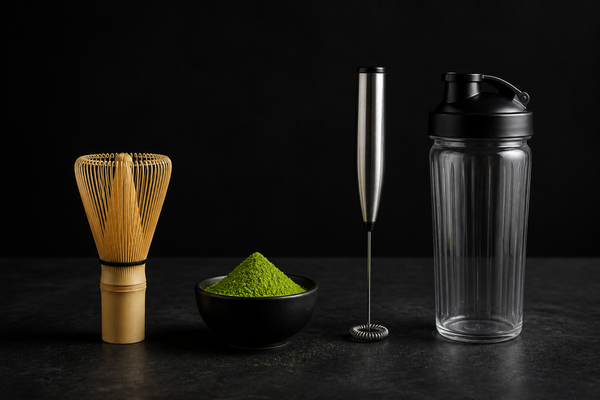
Best Matcha Mixer: Whisk vs. Frother vs. Shaker
A calm, practical comparison of the bamboo whisk, electric milk frother, and sealed shaker for matcha—looking at foam...
Read More →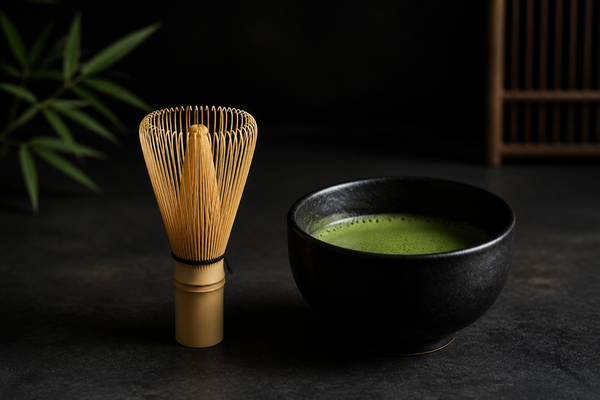
How to Choose a Matcha Whisk: Chasen Types, Prongs & Sets
A practical guide to choosing a chasen by prong style, matcha preparation and set contents—with care tips and clear s...
Read More →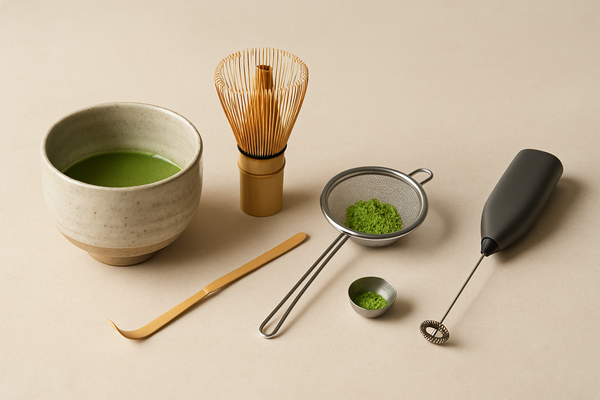
Matcha Tools Guide: Chasen, Bowls, and Practical Alternatives
A calm, practical guide to matcha tools for home use. Learn what a basic set includes, what you really need to start,...
Read More →