
Matcha Side Effects: Headaches, Too Much Matcha, and Daily Intake
Supervised by Wakimoto Jokoen Co., Ltd. — Uji tea manufacturer, Kyoto
Share
Hello from ICHIZEN. Matcha can be part of a calm daily routine, but you may still wonder what happens if you drink too much or whether a headache after matcha is a side effect.
For most healthy adults, drinking matcha as a beverage in a moderate amount is not considered a cause for alarm. Matcha does contain caffeine, however, and sensitivity varies. Depending on the amount of powder, timing, personal tolerance, and other caffeinated drinks consumed that day, some people may experience a headache, trouble sleeping, palpitations, restlessness, nausea, or an upset stomach.
This article focuses on the questions searchers ask most often: headaches, excessive intake, drinking matcha on an empty stomach, and how to think about a daily amount. It provides general information and is not a substitute for medical diagnosis or treatment. Seek medical advice for severe or persistent symptoms.
Most matcha side effects are related to caffeine
Matcha is a food rather than a medicine. In this article, the term side effect refers to discomfort that may occur after drinking it. The U.S. Food and Drug Administration lists insomnia, heart palpitations, anxiety, jitters, upset stomach, nausea, and headache among possible signs of too much caffeine.
Responses vary widely. A strong bowl may feel more stimulating if you rarely consume caffeine, are sleep-deprived, drink it on an empty stomach, or combine it with coffee or an energy drink.
Caffeine content also varies by cultivar, growing and harvest conditions, product, and the amount of powder used. Rather than assuming every bowl contains a fixed number of milligrams, note how many grams of matcha you use and consider caffeine from every source across the day.
Why might matcha cause a headache?
Headache is one possible sign of consuming more caffeine than your body tolerates. If you notice a headache after matcha, consider whether you used more powder than usual, had several servings close together, also drank coffee or an energy drink, were hungry or sleep-deprived, or already know that you are sensitive to caffeine.
When a headache occurs, avoid additional caffeine for the rest of the day and record the serving size and time. This can help you find a more comfortable pattern. Do not assume matcha is the cause of a sudden severe headache, chest pain, fainting, intense palpitations, or repeated vomiting; seek prompt medical care for urgent or severe symptoms.
What happens if you drink too much matcha?
Possible signs include difficulty falling asleep, a racing heartbeat, restlessness, trembling, stomach discomfort, nausea, headache, and more frequent urination. If these occur, reduce the powder per serving, reduce the number of servings, drink matcha earlier, and avoid stacking it with other caffeinated products.
The U.S. National Center for Complementary and Integrative Health reports no safety concerns for green tea consumed as a beverage by adults, while rare liver injury has been reported mainly with concentrated green tea extracts in tablets or capsules. A normal bowl of tea and a concentrated supplement should not be treated as the same type of exposure.
How many bowls of matcha per day?
There is no single upper number of bowls that applies to everyone. Body size, sensitivity, product, powder weight, and other drinks all change total caffeine exposure.
The FDA cites 400 mg of caffeine per day as an amount not generally associated with negative effects for most adults. The European Food Safety Authority similarly concludes that total intake up to 400 mg per day does not raise safety concerns for healthy adults other than pregnant women. This is not a target, and some people experience symptoms at much lower amounts.
For thin tea at home, a practical approach is to begin with 1.5–2 g of matcha in one bowl, once a day. If you feel well, one or two bowls may suit your routine. See our guide to how much matcha to use per cup for preparation details.
Pregnancy and breastfeeding
EFSA concludes that total caffeine intake up to 200 mg per day from all sources does not raise safety concerns during pregnancy. Japanese and international public health guidance also recommends paying close attention to total caffeine during pregnancy. Count coffee, tea, chocolate, and other sources, and ask your physician or midwife for advice based on your circumstances.
Can you drink matcha on an empty stomach?
Some people can, while caffeine-sensitive drinkers may notice nausea or stomach discomfort. If that happens, try matcha after a light meal, use less powder, add more water, or prepare it with milk. The important point is not that an empty stomach is universally dangerous, but that you should adjust to your own response.
How late can you drink matcha?
EFSA notes that 100 mg of caffeine may affect sleep duration and patterns in some adults when consumed close to bedtime. In a controlled study, a much larger 400 mg dose affected sleep even when taken six hours before bed. That research dose should not be equated with a normal bowl of matcha, but caffeine-sensitive people may find it useful to stop caffeine around six hours before bedtime.
For more ideas, see our guide to the best time to drink matcha.
Medication and health conditions
Green tea and concentrated extracts may interact with some medicines. If you take medication, have a cardiovascular condition, experience anxiety symptoms, or have ongoing digestive problems, consult a physician or pharmacist before making large daily servings part of your routine. Pregnant or breastfeeding people, children, and those who are especially caffeine-sensitive should also begin cautiously and seek individual advice when needed.
Five ways to enjoy matcha more comfortably
- Begin with 1.5–2 g of powder per bowl.
- Drink it after food and earlier in the day if you are sensitive.
- Do not stack it with coffee or energy drinks.
- Skip additional caffeine when headache or stomach discomfort occurs.
- Note the amount, time, and how you felt.
ICHIZEN matcha is selected and refined by Wakimoto Jokoen, a tea wholesaler in Uji, Kyoto. Even with high-quality matcha, the most comfortable amount is personal. Find a serving that supports your own rhythm rather than chasing strength.
Explore our daily matcha in the ICHIZEN collection.
Summary
Most healthy adults can enjoy matcha in moderate amounts. Because it contains caffeine, too much may cause headache, sleep disruption, palpitations, or stomach discomfort in sensitive people. Begin with 1.5–2 g once a day, consider total caffeine from every source, and avoid drinking it on an empty stomach or near bedtime if those conditions cause discomfort.
Seek medical care for severe or persistent symptoms rather than assuming matcha is the cause.
Sources
- U.S. FDA: Spilling the Beans: How Much Caffeine is Too Much?
- European Food Safety Authority: Caffeine
- Food Safety Commission of Japan: Caffeine guidance during pregnancy
- NCCIH: Green Tea: Usefulness and Safety
- Drake C, et al. Caffeine effects on sleep taken 0, 3, or 6 hours before going to bed.
Column
Related Articles
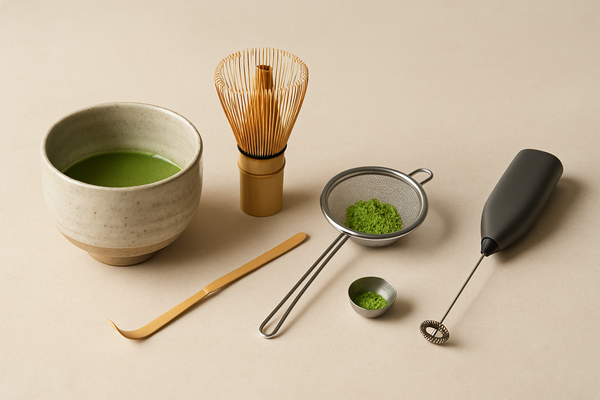
Matcha Tools Guide: Chasen, Bowls, and Practical Alternatives
A calm, practical guide to matcha tools for home use. Learn what a basic set includes, what you really need to start,...
Read More →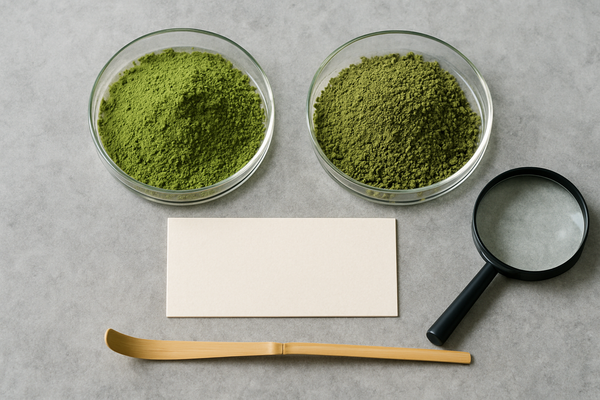
How to Spot Real Matcha in Japan: Colorings, Origins, and Uji Matcha Labels
A calm guide to reading matcha labels: coloring additives, ingredients, powdered green tea, and what “Uji matcha” act...
Read More →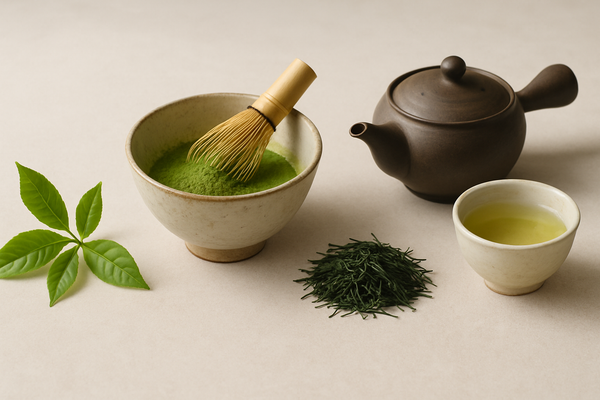
Matcha vs Green Tea vs Sencha vs Gyokuro: A Quick Comparison
Matcha, sencha, and gyokuro are all types of green tea. This guide compares how they are grown, processed, served, an...
Read More →