

What Makes Premium Matcha Different? Grade, Judging, and Price
Supervised by Wakimoto Jokoen Co., Ltd. — Uji tea manufacturer, Kyoto
Share
Hello from ICHIZEN. When you see matcha described as “premium” or “ceremonial,” it is natural to wonder what you are really paying for.
The simple answer is that premium matcha is not explained by one single factor. Price can reflect many steps together: shaded cultivation, harvest conditions, refining tencha from aracha, blending, firing, fine powdering, sensory evaluation, packaging, and distribution.
Is premium matcha defined by price alone?
Not really. You may see terms such as first harvest, hand-picked, stone-milled, or ceremonial. These can appear with high-grade teas, but they are not a universal guarantee for every higher-priced matcha.
A calmer way to choose is to ask two questions: what information is clearly provided, and does the tea suit the way you want to use it? Matcha for usucha, koicha-style preparation, lattes, and sweets may each call for a different balance.
If you would like the broader price background first, you may also find our article on why matcha can be expensive helpful.
The steps that can shape matcha quality and cost
| What to check | Why it can affect price | What to look for |
|---|---|---|
| Shaded cultivation | Covering tea plants before harvest influences color, umami, and aroma. | Whether the tea is produced as matcha-grade material. |
| Harvest conditions | The condition of the young leaves, timing, and picking method affect texture and flavor. | First-harvest or hand-picked notes can be useful, but they are not a complete guarantee. |
| Refining, blending, firing | Stems and veins are removed, flavor is adjusted, and aroma is brought out through finishing. | Information about the producer or tea specialist involved. |
| Powdering | A fine, even powder affects mouthfeel, whisking, and how smoothly the tea drinks. | Smoothness, ease of whisking, and intended use. |
| Evaluation and packaging | Color, aroma, taste, and preparation quality are assessed, then protected through packaging. | Sensory evaluation approach, light protection, sealing, and storage guidance. |
What do tea judges actually evaluate?
Formal tea sensory evaluation checks appearance and the internal qualities of aroma, liquor color, and taste. Tencha judging may also assess the infused leaf color known as kara-iro. Finish and mouthfeel can still help you compare teas for drinking, but they should be kept separate from the official judging categories.
ICHIZEN’s Uji matcha is selected and refined by Wakimoto Jokoen, a fourth-generation Kyoto tea wholesaler, then machine-milled into an ultra-fine, uniform powder.
For a deeper look at evaluation, you can read our column on how tea judges grade matcha.
Choose by how you will actually enjoy it
If you are buying premium matcha for the first time, start with your usual use. That one decision makes the choice much easier.
- For usucha, look for aroma, umami, and a clean finish.
- For a richer, koicha-like style, look for depth and lower harshness.
- For lattes or sweets, look for flavor that still has shape with milk or sweetness.
The best question is not “Is this the most expensive?” but “Does the reason behind this price fit how I will drink it?” For example, ICHIZEN’s Uji matcha is selected and refined by Wakimoto Jokoen and machine-milled to an ultra-fine, uniform powder.
A few calm cautions before you buy
First harvest, hand-picking, and traditional stone milling are all elements you may encounter with high-end teas. But no single phrase can tell you the whole story of flavor, suitability, or value.
The word “ceremonial” also cannot be defined by price alone across all products. Origin, intended use, maker information, powder condition, packaging, and storage all matter.
When you are unsure, try a small amount and pay attention to aroma and finish. The more quietly you compare, the easier it becomes to recognize the matcha that feels right to you.
Public materials referenced: Kyoto Tea Cooperative “Uji Tea Q&A” and “Types of Tea,” Ministry of Agriculture, Forestry and Fisheries “Nippon Traditional Food Encyclopedia: Uji Tea,” Japan Tea Central Public Interest Incorporated Association “Green Tea Labeling Standards: Names and Definitions,” and quality evaluation materials from the Kyoto Prefectural Tea Research Institute.
FAQ
Does premium matcha taste different from regular matcha?
In general, premium matcha is more likely to show differences in umami, aroma, mouthfeel, and a clean finish. Still, preference depends on use, so price alone should not be the only guide.
Is ceremonial matcha always premium?
“Ceremonial” is often used to suggest a use or quality impression, but it is not a single universal guarantee of price or quality. Check origin, production details, intended use, and maker information together.
Can I use expensive matcha for lattes?
Yes, but delicate aromas can be softened by milk. For lattes, choose matcha with good color and umami, plus enough flavor structure to remain clear with milk and sweetness.
What should I check before buying matcha?
Look at origin, intended use, powder fineness, packaging, storage guidance, and maker information. Notes such as first harvest or hand-picked can help, but they do not define quality on their own.
Column
Related Articles
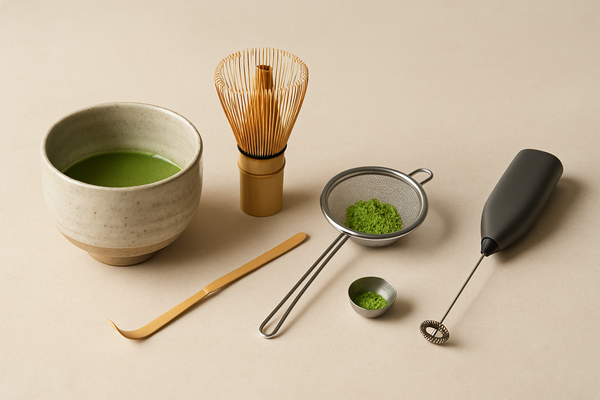
Matcha Tools Guide: Chasen, Bowls, and Practical Alternatives
A calm, practical guide to matcha tools for home use. Learn what a basic set includes, what you really need to start,...
Read More →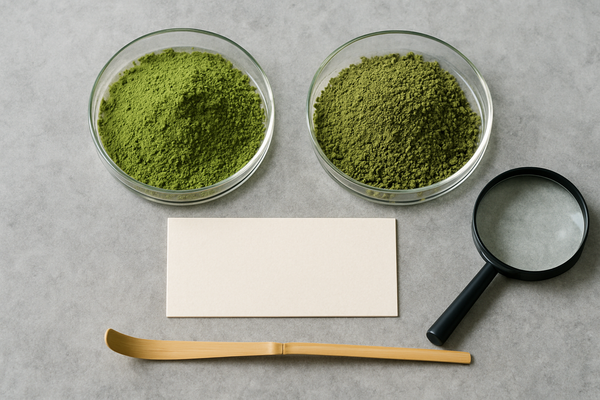
How to Spot Real Matcha in Japan: Colorings, Origins, and Uji Matcha Labels
A calm guide to reading matcha labels: coloring additives, ingredients, powdered green tea, and what “Uji matcha” act...
Read More →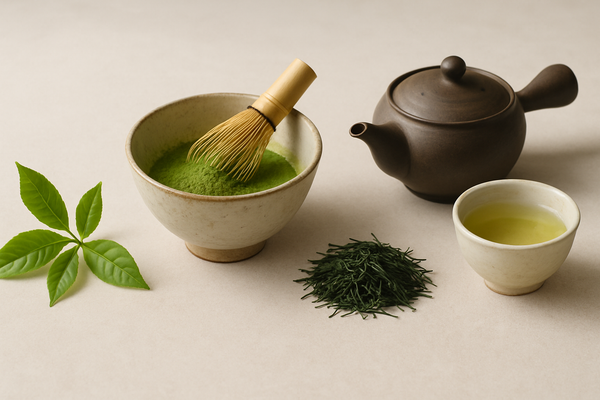
Matcha vs Green Tea vs Sencha vs Gyokuro: A Quick Comparison
Matcha, sencha, and gyokuro are all types of green tea. This guide compares how they are grown, processed, served, an...
Read More →