

How to Choose Wholesale Matcha for Cafes
Supervised by Wakimoto Jokoen Co., Ltd. — Uji tea manufacturer, Kyoto
Share
Hello from ICHIZEN. If you are choosing matcha for a cafe, you may be wondering which grade will taste steady in a latte, work in sweets, and still be practical for daily service.
Wholesale matcha for cafes is not only a purchasing decision. It is an ingredient that shapes the flavor your guests meet every day. The easiest place to begin is to separate your main use: lattes, desserts, or straight matcha service.
What should you decide first?
Start with the menu item you will serve most often. Matcha for a milk-based drink does not always need the same character as matcha for usucha, or thin tea.
For a matcha latte, look for aroma and umami that remain present with milk, without a harsh bitter finish. For sweets, notice whether the color and fragrance still feel clear after mixing with dairy, sugar, or fat.
If you plan to serve matcha on its own, pay closer attention to smoothness, the edge of astringency, and the aftertaste.
Four calm standards for cafe matcha
1. Does the flavor match your menu?
Some matcha has a softer, rounder umami. Some has a more defined bitterness or aromatic lift. If your drinks are sweet and gentle, a matcha with too much bitterness may feel heavy.
If your menu is less sweet, or if you want the matcha to stand out in parfaits and iced drinks, a more aromatic profile may be easier to use.
2. Is the powder fine and easy to handle?
During busy service, usability matters. A powder that disperses evenly and resists clumping helps reduce differences between staff members and keeps the drink texture more consistent.
ICHIZEN matcha is Kyoto Uji matcha selected and refined by Wakimoto Jokoen, a fourth-generation green-tea wholesaler in Ide-cho, Kyoto. It is machine-milled into an ultra-fine, uniform powder for a smooth mouthfeel and practical everyday use.
3. Think by cost per serving, not only bag price
The lowest purchase price is not always the lowest operating cost. For a matcha latte, you might begin testing at around 1.5 to 2 grams per serving, then compare both flavor strength and cost.
If a small amount gives a clear matcha presence, it may be more useful than it first appears. If you need to use much more powder for the flavor to show, that affects both cost and workflow.
4. Choose a size you can rotate well
Matcha is sensitive to light, heat, moisture, and air. After opening, keep it tightly sealed and store it in a cool, dark place or refrigerated, depending on your working environment.
A large pack is not always the best choice at the beginning. If your order volume is still uncertain, starting with a smaller lot can help you protect freshness while you learn your cafe’s rhythm.
A simple way to compare samples
When tasting samples, use the same water temperature, same amount of matcha, same milk, and same sweetness each time. Small notes will help you and your team compare more fairly.
- Aroma, color, bitterness, and texture when whisked with water
- Presence when mixed with milk
- How the flavor changes over ice
- Settling, color, and aroma after a little time passes
If you would like a broader buying framework, you can also read our matcha selection checklist.
Common mistakes in wholesale matcha buying
One common mistake is choosing only by price, color, or a name that sounds premium. For a cafe, the important points are daily consistency, ease of preparation, and a pleasant finish for your guest.
Another mistake is forcing one matcha to do every job. Sometimes one powder can cover several uses, but lattes and straight tea may benefit from different choices. Begin with the drink that matters most to your menu, then add another matcha if the need becomes clear.
Choose for the cup you want to serve
Wholesale matcha for cafes should be chosen together with your menu design. What do you want your guest to remember: a soft sweetness, a clear aroma, or a clean, balanced finish?
Test in small steps, keep notes, and choose a pack size that matches your service volume. That steady approach will help you build a matcha menu that feels natural for your cafe.
FAQ
How is cafe-use wholesale matcha different from home-use matcha?
Wholesale matcha is often chosen with service volume and workflow in mind. Stable flavor, easy handling, suitable pack size, and storage practicality matter, and the package may be larger than home-use matcha.
What kind of matcha is best for matcha lattes?
For lattes, choose matcha whose aroma and umami remain clear with milk, without overly strong bitterness. Test each sample under the same milk, sweetness, and recipe conditions.
How quickly should a cafe use matcha after opening?
The exact timing depends on the product and storage environment, but matcha is sensitive to light, heat, moisture, and air. Seal it well and use it while the aroma is still fresh.
What is the easiest way to compare matcha samples for a cafe?
Use the same amount, water temperature, milk, and sweetness for every sample. Note color, aroma, bitterness, aftertaste, and changes over time so your team can compare clearly.
Column
Related Articles
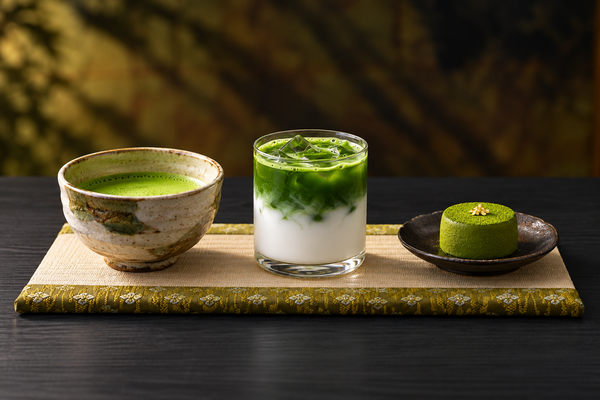
How to Choose Matcha by Use: Drinking, Lattes, and Sweets
Choosing matcha becomes much easier when you begin with how you want to use it. Here is a calm, practical guide to ch...
Read More →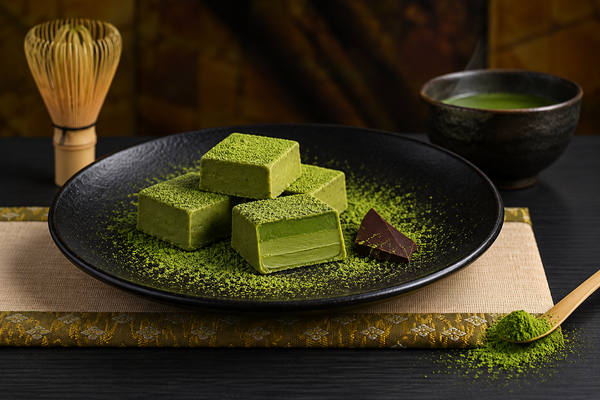
How to Enjoy Matcha Chocolate: Choosing, Pairing, and Making It at Home
A calm guide to matcha chocolate, covering sweetness, cacao, dairy, simple homemade tips, pairings, and how matcha qu...
Read More →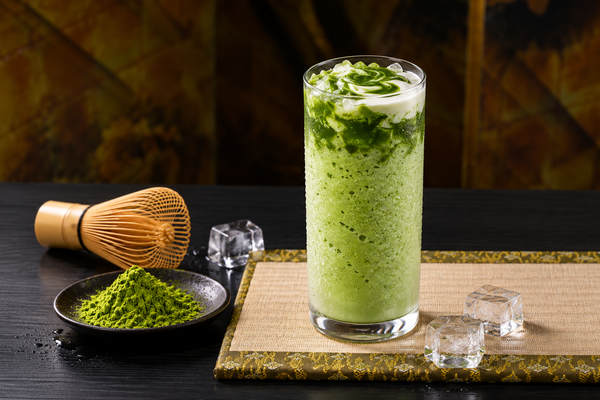
How to Make a Matcha Frappuccino-Style Drink at Home
A calm, practical guide to making a cold blended matcha drink at home, with tips on texture, sweetness, milk, ice, an...
Read More →