Hello from ICHIZEN. If you are choosing matcha for the first time, you may be wondering which one will taste smooth rather than overly bitter.
The best matcha for beginners is one that has clear aroma, gentle umami, and enough balance to enjoy both as usucha and in a latte. Start with one good tin, prepare it simply, and let your own taste develop from there.
How do you choose matcha without making it difficult?
It is tempting to choose only by price, but your first experience matters. If the matcha tastes too harsh, you may come away thinking matcha is always bitter.
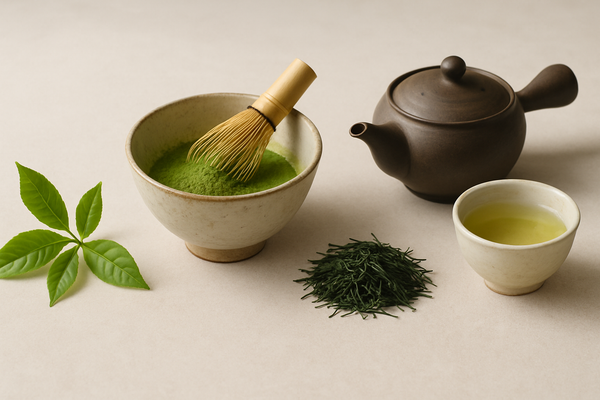
For drinking, look for matcha suitable for usucha, the lighter style of prepared matcha. A rounded, fragrant matcha is more forgiving when you are still learning, and it usually keeps its character better when paired with milk.
What to look for first
A clearly stated origin
Suitable quality for drinking, not only for cooking
A size you can finish while the aroma is fresh
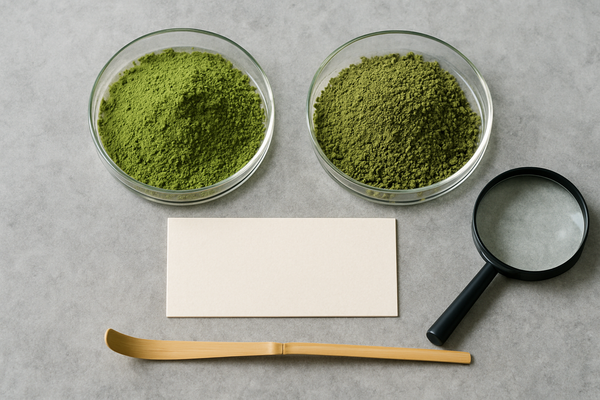
A balanced impression of color, aroma, umami, and gentle bitterness
ICHIZEN’s matcha comes from Wakimoto Jokoen, a Uji-cha producer in Kyoto Uji. For a beginner, knowing the origin and producer can make the choice feel calmer and more transparent.
For beginners, usucha-friendly matcha is a good starting point
Some matcha is best suited to rich, concentrated preparation, while some is easier for light bowls, lattes, or sweets. For your first tin, usucha-friendly matcha is usually the most comfortable place to begin.
It lets you adjust strength easily. You can drink it plain, then try it with milk, and slowly learn whether you prefer a softer or more vivid flavor.
A simple preparation ratio
As a starting point, use about 1.5 to 2 g of matcha with 60 to 70 ml of hot water. Water around 70 to 80°C helps keep bitterness in balance while allowing aroma and umami to come through.
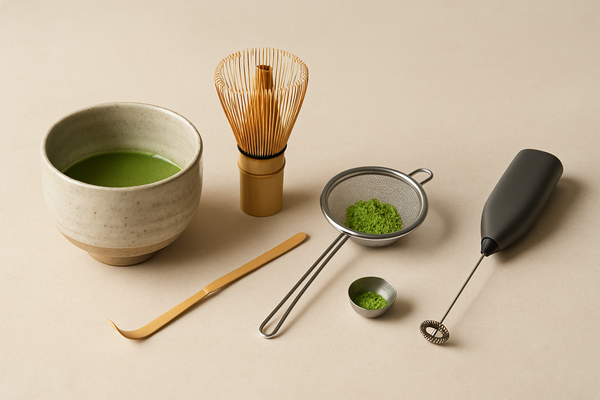
If you have a chasen, move it quickly back and forth with a relaxed wrist. You do not need perfect foam at first. Focus on dissolving the powder well and creating a smooth texture.
Small fixes for common mistakes
If the bowl tastes too bitter, try lowering the water temperature before adding more matcha. If it feels powdery, sifting the matcha first can make a noticeable difference.
For a latte, dissolve the matcha in a small amount of hot water before adding warm or cold milk. This helps prevent clumps and keeps the flavor cleaner.
Storage affects flavor
Matcha is a fine powder, so it is sensitive to light, heat, moisture, and surrounding odors. After opening, close the container tightly and use it while the aroma still feels fresh.
If you do not drink matcha every day, a smaller tin is often better than a large one. Choosing an amount you can finish comfortably is one of the simplest ways to avoid disappointment.
If you are still unsure
The best matcha for beginners should be pleasant to drink and easy to keep using. Try it first as usucha, then as a latte or in simple sweets, and you will begin to notice what you enjoy most.
At ICHIZEN, we offer single-origin Uji matcha from Wakimoto Jokoen in Kyoto Uji. If you would like to compare the options quietly, you can browse our matcha collection at your own pace.
Your first bowl does not need to be perfect. Let it be simple, warm, and suited to your everyday rhythm.
FAQ
Do I need a bamboo whisk to start drinking matcha?
A bamboo whisk helps matcha blend more evenly and gives a smoother texture. You can try a small whisk at first, but a chasen is easier if you want to enjoy usucha regularly.
What size tin should a beginner choose?
If you do not drink matcha every day, a smaller size is a good place to start. Matcha’s aroma changes after opening, so choosing an amount you can finish helps preserve freshness.
Can I prepare usucha with cooking matcha?
You can, but it may taste more astringent or powdery than matcha intended for drinking. For your first bowl, choosing usucha-friendly drinking quality is usually more enjoyable.
Is it okay to start with matcha latte?
Yes. Dissolve the matcha well in a little hot water first, then add milk. This reduces clumps and makes it easier to enjoy the aroma and flavor.