Hello from ICHIZEN. If you have seen cloud matcha and wondered whether you can make that soft, floating layer at home, you are not alone.
The simple answer is yes. The key is to whisk the matcha into a smooth paste first, then gently combine it with foam so the drink stays light and clean on the palate.
What is cloud matcha?
Cloud matcha is a matcha drink with fluffy foam layered over milk. It looks special, but the method is quite approachable.
Think of it as a lighter, airier matcha latte. When the foam is not overly sweet, the green aroma of the matcha can come through more clearly.
Ingredients for one glass
Use these amounts as a starting point. You can adjust the milk depending on your glass and how strong you like the drink.
Matcha: 2 g, about 1 teaspoon
Hot water: 20 ml, around 70–80°C
Milk or plant-based milk: 120–150 ml
Milk for foam: 40–60 ml
Sugar or syrup: 5–10 g, optional
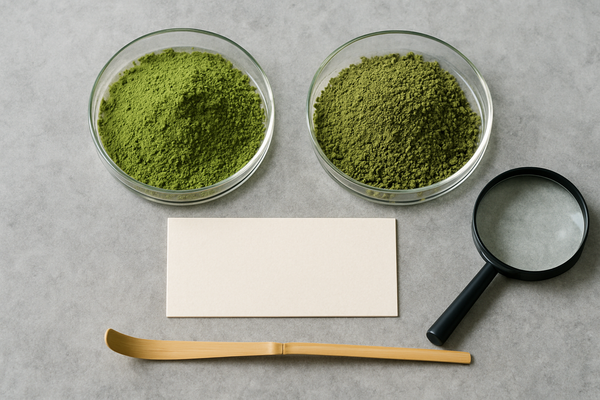
ICHIZEN matcha is selected from Kyoto Uji matcha and refined by Wakimoto Jokoen into an ultra-fine, uniform powder through machine milling. Because the powder is fine, making a paste first helps you enjoy a smoother texture.
How to make it fluffy
1. Make a smooth matcha paste
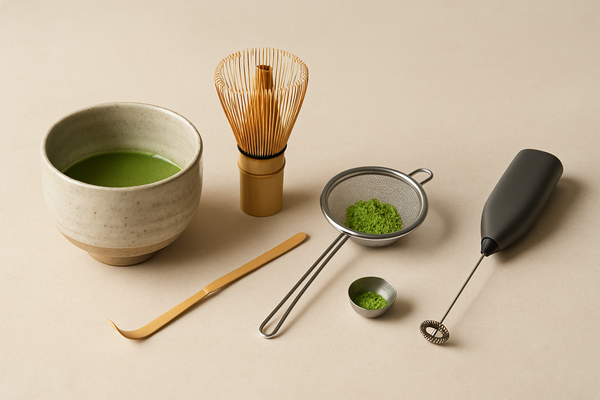
Sift the matcha into a small bowl. Add the hot water little by little and whisk with a chasen or small whisk until the paste looks smooth.
This step matters. If the paste is smooth now, the final foam will feel much softer and less grainy.
2. Froth the milk
Froth the milk for 20–30 seconds with a milk frother. For a warm drink, heat the milk to around 60°C before frothing.
If you want a more dessert-like cloud, you can replace a small portion of the milk with cream. Start with a little, because it can quickly become rich.
3. Layer the drink
Pour cold or warm milk into your glass. Lightly fold the matcha paste into the foam, then spoon it gently on top.
A small dusting of matcha on the surface adds aroma and gives the drink a calm, finished look.
What can go wrong?
Lumps usually happen when too much water or milk is added to dry matcha at once. Sifting the powder and adding water gradually will help.
If the foam disappears quickly, the milk may be too hot, or the foam may have been stirred too much. Treat it gently, especially at the end.
If you would like to understand the base drink better, our guide to hot and iced matcha latte will help you adjust strength, milk, and temperature.
A soft cup for a quiet moment
Cloud matcha is a simple way to make your everyday matcha feel a little more airy and gentle. Keep it lightly sweet for the morning, or add a touch of cream for an afternoon treat.
Start with the basic ratio, then adjust it to your taste. The best part is the quiet moment when the aroma of matcha rises through the foam.
FAQ
How is cloud matcha different from a regular matcha latte?
A matcha latte mixes matcha and milk throughout the drink. Cloud matcha layers matcha foam over milk, so you can enjoy a lighter texture and a clear visual contrast.
Why does my matcha become lumpy?
Lumps often form when water or milk is poured onto dry matcha all at once. Sift the powder first, then whisk it with a small amount of hot water to make a smooth paste.
Can I make cloud matcha without a milk frother?
A milk frother is convenient, but you can make light foam by shaking milk in a tightly closed jar. If warming it, transfer it to a suitable container and heat it briefly afterward.
Can I make cloud matcha in advance?
The foam will gradually collapse, and the matcha aroma becomes softer over time. For the best texture and appearance, prepare the paste and foam, then layer them just before drinking.