

Matcha Health Benefits: What Science Suggests
Supervised by Wakimoto Jokoen Co., Ltd. — Uji tea manufacturer, Kyoto
Share
Hello from ICHIZEN. If you are looking into matcha health benefits, you may be wondering what is actually supported by science and what is simply marketing language.
The short answer is this: matcha is not medicine. But because you drink the finely ground tea leaf itself, it can be a thoughtful way to bring tea catechins, caffeine, and L-theanine into your everyday routine.
What can you realistically expect from matcha?
Matcha is best understood as a daily tea, not a quick fix. Its value comes from the combination of naturally occurring tea compounds, the flavor experience, and the quiet ritual of preparing a bowl or cup.
Unlike steeped green tea, matcha is made by whisking powdered tencha into water. This means you are consuming more of the leaf itself, which is one reason matcha is often discussed in relation to wellness.
Still, one cup will not transform your health. It is more helpful to think of matcha as one small, enjoyable habit alongside good food, sleep, movement, and rest.
The main tea compounds science pays attention to
Catechins: the source of tea-like astringency
Catechins are a type of polyphenol found in green tea. They contribute to the clean, slightly astringent taste of matcha and are widely discussed for their antioxidant properties.
Because matcha contains the powdered leaf, its character can feel more direct than an infused tea. If your matcha tastes too sharp, try using slightly cooler water rather than making the bowl stronger.
Caffeine: useful, but personal
Matcha contains caffeine, which is one reason many people enjoy it in the morning or before focused work. It can feel like a gentle way to mark a transition in the day.
At the same time, caffeine tolerance is very individual. If you are sensitive to caffeine or notice sleep disruption, it is worth adjusting the amount and avoiding matcha later in the day.
L-theanine: connected to umami and a smoother impression
L-theanine is an amino acid associated with the umami taste of tea. In shaded teas such as matcha, this savory softness is an important part of the drinking experience.
In Uji matcha production, careful shading plays a meaningful role in flavor. A matcha with natural sweetness, umami, and a clean finish is usually easier to enjoy without adding much sugar.
If you drink matcha for wellness, quality matters
When people search for matcha health benefits, they often focus only on nutrients or strength. But if you want matcha to become part of your life, the most important question may be simpler: do you enjoy drinking it?
A very bitter bowl is not automatically better. Fresh aroma, clear color, a smooth finish, and traceable origin can make the experience more pleasant and easier to repeat.
- Choose matcha with a clear origin and producer when possible.
- Store it tightly sealed, away from light, heat, and humidity.
- Use a comfortable amount rather than making every cup very strong.
ICHIZEN offers single-origin matcha from Wakimoto Jokoen in Uji, Kyoto. If you would like to compare styles and use cases, you can browse our matcha collection at your own pace.
Preparation changes how matcha feels
If you are new to matcha, it is easy to make it too concentrated and then feel that it is bitter or heavy. A good starting point is usucha, or thin tea, using about 1.5 to 2 grams of matcha with 60 to 80 ml of water.
Water around 70 to 80°C is often easier to work with than boiling water. Very hot water can make bitterness and astringency feel more pronounced.
Matcha latte can also be a gentle everyday option. If wellness is your priority, be mindful of added sugar or syrup. A matcha with good umami and aroma often needs less sweetness than you might expect.
Who should be careful?
Matcha is an everyday tea, but it does contain caffeine. If you are pregnant, breastfeeding, taking medication, or sensitive to caffeine, it is sensible to ask a qualified professional about an appropriate amount for you.
Some people also find strong matcha uncomfortable on an empty stomach. In that case, try drinking it after food, preparing it more lightly, or enjoying it with milk.
A quiet habit is where matcha makes sense
The health benefits of matcha should not be framed as dramatic promises. Its real value may be quieter: aroma, warmth, a short pause, and a cup you can return to without strain.
Notice how the flavor, timing, and amount feel in your own body. From there, you can build a matcha habit that is both enjoyable and sustainable.
FAQ
Is it okay to drink matcha every day?
For many people, matcha can be enjoyed as an everyday tea, but it does contain caffeine. Pay attention to your tolerance and sleep, and adjust the amount accordingly.
What is the best time of day to drink matcha?
Because matcha contains caffeine, many people find it easiest to enjoy in the morning or early afternoon. If caffeine affects your sleep, avoid drinking it later in the day.
Do matcha lattes still have health benefits?
Matcha lattes still contain compounds from matcha, but added sugar or syrup changes the overall balance. Keeping sweetness modest makes it easier to enjoy regularly.
Is bitter matcha healthier?
Bitterness alone does not determine the value of matcha. Water temperature, freshness, and quality all affect taste. Choose matcha you can enjoy consistently.
Column
Related Articles
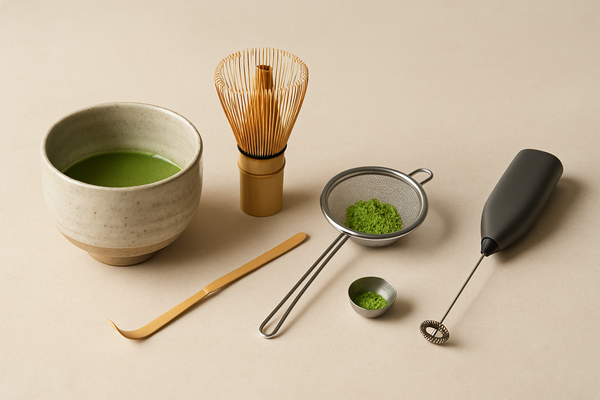
Matcha Tools Guide: Chasen, Bowls, and Practical Alternatives
A calm, practical guide to matcha tools for home use. Learn what a basic set includes, what you really need to start,...
Read More →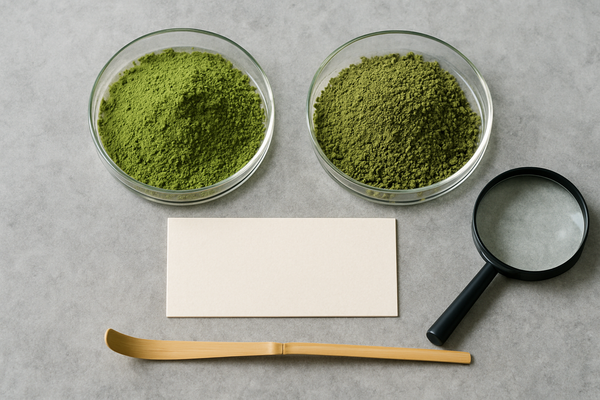
How to Spot Real Matcha in Japan: Colorings, Origins, and Uji Matcha Labels
A calm guide to reading matcha labels: coloring additives, ingredients, powdered green tea, and what “Uji matcha” act...
Read More →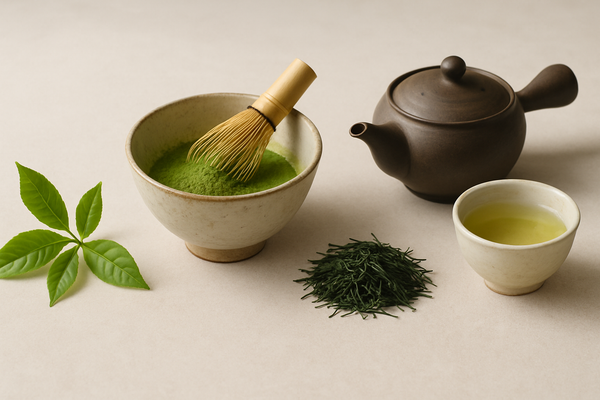
Matcha vs Green Tea vs Sencha vs Gyokuro: A Quick Comparison
Matcha, sencha, and gyokuro are all types of green tea. This guide compares how they are grown, processed, served, an...
Read More →