

How to Choose Matcha Powder: Taste, Color, Use, and Storage
Supervised by Wakimoto Jokoen Co., Ltd. — Uji tea manufacturer, Kyoto
Share
Hello from ICHIZEN. If you are choosing matcha powder for the first time, it is very natural to wonder what really matters: color, price, origin, or whether it is meant for drinking or cooking.
A helpful way to begin is to think about how you want to use it. For a daily bowl of matcha, a latte, baking, or cooking, the best choice may be slightly different.
What is matcha powder?
Matcha powder is made by finely milling tea leaves prepared for matcha. Unlike instant powder, matcha does not truly dissolve in water; it is suspended in the water as very fine particles.
That is why the character of the leaf, the fineness of the powder, and freshness all affect the final cup. When you choose matcha, you are choosing not only flavor, but also texture and ease of preparation.
What should you check before buying?
1. For drinking, look for balance
If you plan to drink matcha as usucha, or thin tea, look for a powder where bitterness does not dominate. A good everyday matcha often has a fresh green aroma, gentle umami, and a clean finish.
If you are new to matcha, it may be easier to start with a smaller amount and learn what strength you enjoy. Your preferred cup may be softer, brighter, or slightly more intense.
2. Color matters, but it is not everything
A vivid green color is a useful sign when comparing matcha powder. Still, photos, lighting, and screens can all change how the color appears.
Very dull matcha may taste flatter, but color alone should not be the only standard. Read the flavor notes, recommended use, and storage guidance together.
3. Fineness affects mouthfeel
The finer the matcha powder, the smoother it usually feels on the palate. Sifting before whisking is also a simple way to reduce clumps and create a more even texture.
ICHIZEN matcha is machine-milled into an ultra-fine, uniform powder. This helps make it approachable for daily preparation while preserving a smooth drinking experience.
Drinking, lattes, sweets, and cooking
Before you buy, ask yourself where the matcha will be used most often. This one question can make the choice much clearer.
- Usucha and lattes: focus on aroma, umami, and a clean aftertaste.
- Sweets: consider how the color and aroma hold up with dairy, sugar, or heat.
- Cooking: a gentle bitterness can work well with salt, oil, and savory ingredients.
If you want one matcha for both drinking and simple recipes, choose one that tastes pleasant as a drink first. A balanced matcha is usually easier to adapt into lattes, creams, and desserts.
Origin and maker matter
When comparing matcha powder, check the origin, net weight, best-before date, and storage instructions. Choosing an amount you can finish comfortably is one of the simplest ways to enjoy better freshness.
ICHIZEN is a Kyoto Uji matcha brand. Our matcha is selected and refined by Wakimoto Jokoen, a fourth-generation green-tea wholesaler in Ide-cho, Kyoto, with a trained tea-judging eye.
If you would like to know more about the brand, you can visit About ICHIZEN. To compare available matcha, see our collection page.
Storage changes the taste
Matcha powder is sensitive to light, air, moisture, and heat. After opening, close the package tightly and keep it in a cool, dark place.
If you store it in the refrigerator, be careful with condensation. Take out only what you need, close the container promptly, and avoid leaving it open while the powder warms up.
Even within the best-before date, opened matcha is best enjoyed sooner rather than later. A smaller amount that you can finish comfortably may be more satisfying than a larger amount that sits open for too long.
A few tools make matcha easier
A bamboo whisk helps incorporate air and create a soft foam. A small tea strainer helps remove clumps before whisking, especially for usucha and lattes.
As a gentle starting point, try about 1.5 to 2 g of matcha with water around 70 to 80°C, then adjust to your taste. You can find more details in our guide to how to prepare matcha.
Choose the matcha that fits your rhythm
Choosing matcha powder does not need to feel complicated. Start with your daily rhythm: will you drink it straight, make lattes, bake with it, or use it in several ways?
From there, look at taste, color, texture, origin, and storage. The right matcha is one you can enjoy calmly, finish while it is fresh, and look forward to preparing again.
FAQ
Is matcha powder the same as powdered green tea?
Both are powdered forms of green tea, but the raw material, processing, and taste can differ. Matcha is generally made from tencha and is known for its smooth umami and green color.
Can I drink matcha powder sold for cooking?
You can drink it, but cooking matcha may taste more bitter or astringent. For usucha or lattes, choose a matcha with flavor notes or product guidance intended for drinking.
How soon should I use matcha powder after opening?
Even before the best-before date, opened matcha gradually changes in aroma and color. Keep it sealed in a cool, dark place and use it as soon as comfortably possible.
Should I sift matcha powder before using it?
It is not required, but sifting helps reduce clumps and creates a smoother texture. The difference is especially noticeable when preparing thin matcha or matcha lattes.
Column
Related Articles
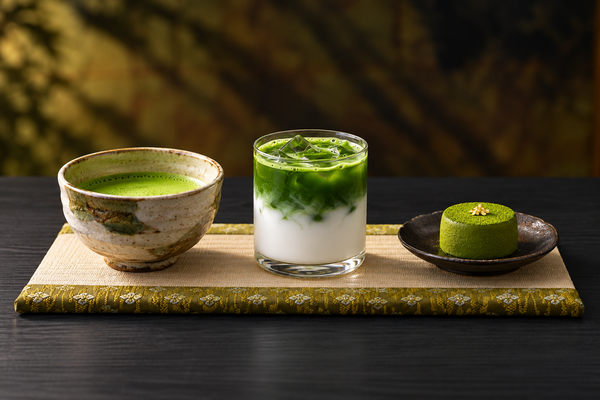
How to Choose Matcha by Use: Drinking, Lattes, and Sweets
Choosing matcha becomes much easier when you begin with how you want to use it. Here is a calm, practical guide to ch...
Read More →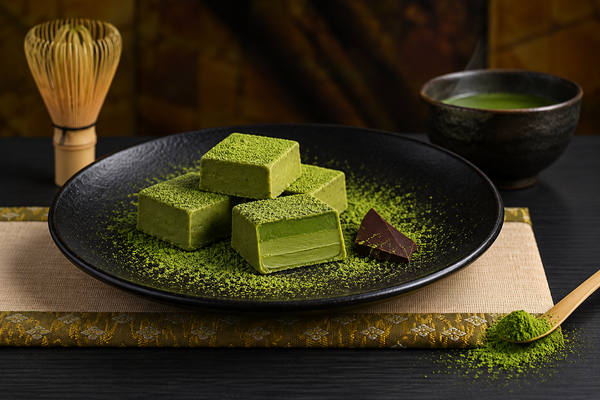
How to Enjoy Matcha Chocolate: Choosing, Pairing, and Making It at Home
A calm guide to matcha chocolate, covering sweetness, cacao, dairy, simple homemade tips, pairings, and how matcha qu...
Read More →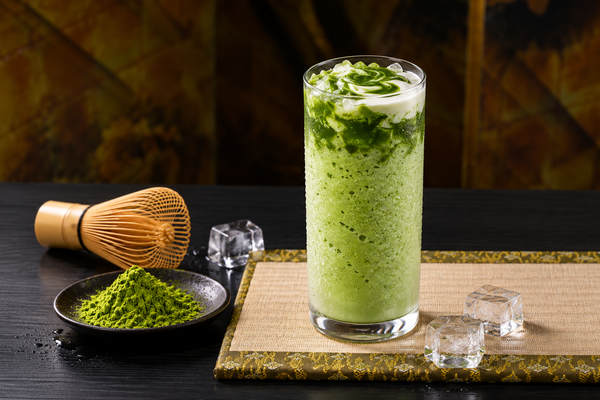
How to Make a Matcha Frappuccino-Style Drink at Home
A calm, practical guide to making a cold blended matcha drink at home, with tips on texture, sweetness, milk, ice, an...
Read More →