Hello from ICHIZEN. A matcha smoothie sounds simple, but perhaps you have wondered why it sometimes tastes powdery or more bitter than expected.
The short answer is to use a modest amount of matcha and add your liquid to the blender first. With gentle fruit sweetness and a little creaminess, matcha becomes easy to enjoy in a cool, everyday smoothie.
A simple matcha smoothie recipe to start with
For one serving, use 1 to 2 teaspoons of matcha, 180 ml milk or soy milk, 1/2 banana, 50 g plain yogurt, and 3 to 4 ice cubes. If you prefer a little more sweetness, add about 1 teaspoon of honey or maple syrup.
Add the ingredients in this order: liquid, yogurt, fruit, matcha, then ice. Blend for 20 to 30 seconds, until smooth. If it feels too thick, add a small splash of milk and blend again.
How to keep it smooth, not powdery
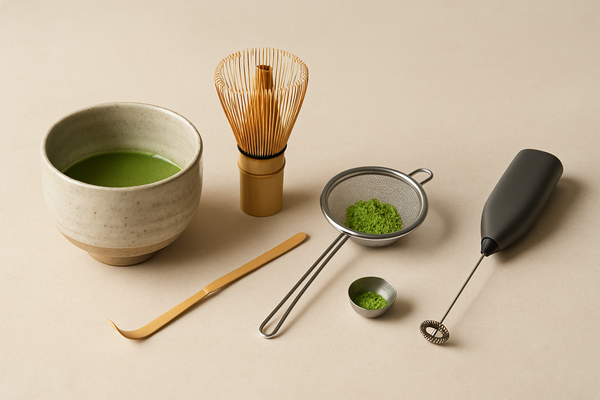
When matcha goes straight into a cold liquid, small clumps can remain. If you are sensitive to texture, mix the matcha with a little water or milk first to make a soft paste, then add it to the blender.
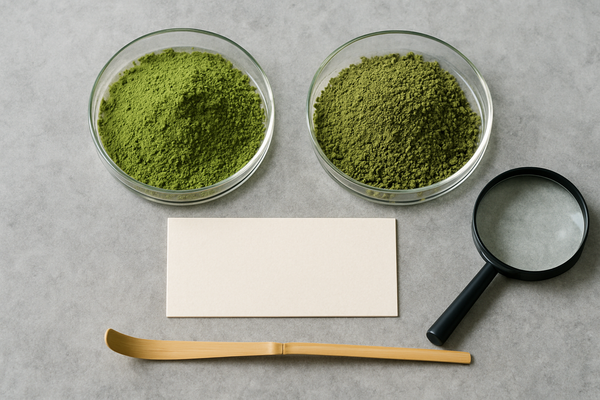
ICHIZEN’s Kyoto Uji matcha is selected and refined by Wakimoto Jokoen, then machine-milled into an ultra-fine, uniform powder. It blends well into smoothies, so start with a small amount and adjust gently to your taste.
What pairs well with matcha?
Matcha’s fresh, lightly bitter character works beautifully with mild sweetness and creamy textures. If you are making it in the morning, you may want something that feels satisfying but not too heavy.
Banana + milk: creamy, classic, and very forgiving for beginners.
Mango + yogurt: lightly tangy, bright, and almost dessert-like.
Avocado + soy milk: rich and smooth; a small amount of sweetener helps bring it together.
Very tart fruits can sometimes make matcha taste more astringent. Start with one fruit, taste, and then adjust from there.
If you also enjoy matcha lattes
A smoothie softens matcha’s aroma because it includes fruit and ice. On days when you want to taste the matcha more directly, you may also like this guide to making hot and iced matcha latte.
For storage, keep matcha sealed in a cool, dark place. After opening, protect it from humidity and strong odors, and use it while the aroma is still clear.
A gentle starting point
A good matcha smoothie begins with balance: a small amount of matcha, enough liquid, and fruit that supports rather than hides the tea. Try the banana and milk version first, then make it your own little by little.
FAQ
What can I use instead of milk in a matcha smoothie?
Soy milk, oat milk, and almond milk all work well. Unsweetened versions make it easier to adjust sweetness with fruit, honey, or maple syrup while keeping the matcha aroma clear.
Can I make a matcha smoothie ahead of time?
You can, but the smoothie may separate and the aroma can fade over time. Keep it refrigerated, drink it the same day, and shake or stir well before drinking.
Why does my matcha smoothie taste powdery?
Matcha can clump when it is added directly to cold liquid. Try making a small paste with water or milk first, or add the liquid to the blender before the powder.
Can children drink matcha smoothies?
Matcha contains caffeine. If serving it to children, use a smaller amount and adjust the sweetness and strength. Choose what feels appropriate for your household.