Hello from ICHIZEN. If you have ever wondered whether matcha and green tea are basically the same thing, you are not alone.
The simple answer is this: matcha is powdered tea leaf whisked into water, while green tea—especially sencha—is tea infused in hot water. That one difference changes the texture, flavor, preparation, and best uses.
The main difference is how you drink the leaf
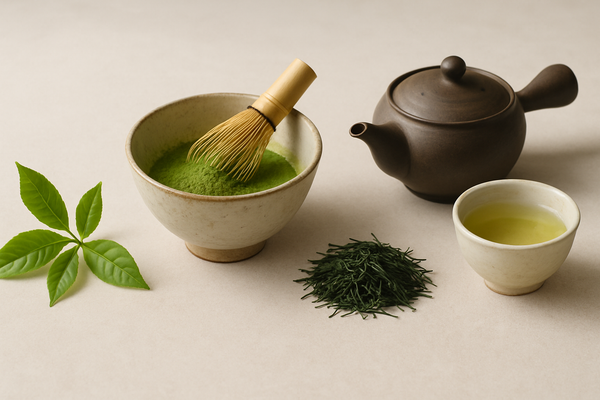
Matcha is made from tencha, a processed tea leaf that is ground into a fine powder. When you whisk matcha with water, you drink the whole leaf in suspension.
Sencha, on the other hand, is steeped. Hot water draws flavor from the leaves, and the leaves remain in the teapot.
If you enjoy a fuller body and a smooth, concentrated taste, matcha may feel more satisfying. If you prefer a lighter cup with fresh aroma and gentle astringency, sencha is a natural choice.
Growing and processing shape the flavor
Matcha is usually made from shaded tea leaves
Tea leaves for matcha are commonly shaded before harvest. This helps develop a rounder umami character and a softer green aroma.
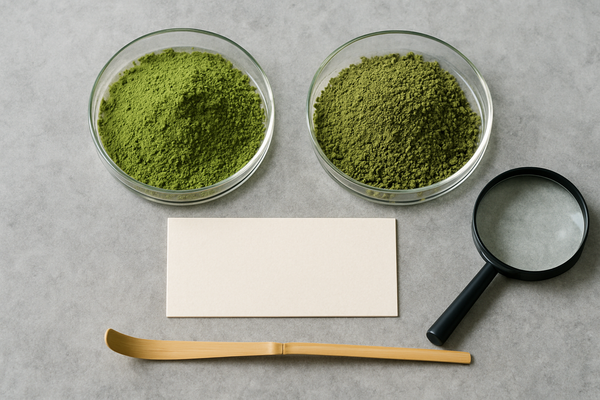
After harvesting, the leaves are steamed and dried, then refined into tencha by removing stems and veins. The tencha is then ground finely to create matcha powder. The fineness of the powder affects the feel of the tea on your tongue.
Sencha is known for freshness and clarity
Sencha leaves are also steamed after harvest to stop oxidation, then rolled and dried. The finished leaves open slowly in hot water, releasing aroma, sweetness, bitterness, and astringency over time.
Lower water temperatures tend to bring out more sweetness and umami. Hotter water brings out more fragrance and briskness. It is a flexible tea you can adjust to your taste.
How do they taste different?
Matcha often has layered umami, gentle sweetness, fresh green notes, and a measured bitterness. In higher-grade matcha, bitterness usually feels more balanced rather than sharp.
Sencha is lighter and clearer, with a refreshing aroma, mild astringency, and a clean finish. It can be especially pleasant after meals or during a quiet break.
Matcha: full-bodied, smooth, made by drinking the whole leaf
Sencha: refreshing, light, brewed as an infusion
Matcha is especially useful for lattes, sweets, and whisked tea
How should you choose as a beginner?
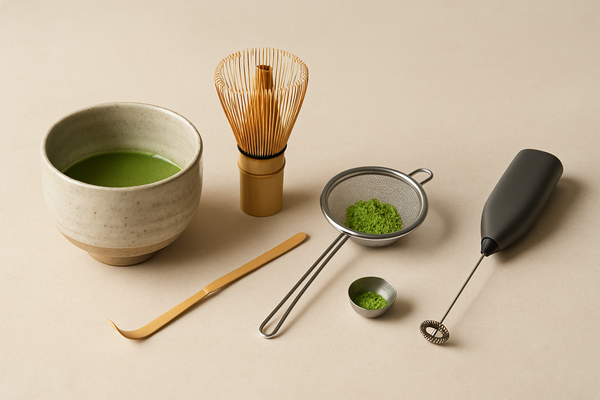
If you want to whisk tea directly, make matcha latte, or use tea in desserts, matcha is the more practical choice. A helpful starting point is 1.5–2 g of matcha with about 60–80 ml of water. Water around 70–80°C can help keep bitterness gentle.
If you want to brew tea slowly in a teapot or enjoy it with meals, sencha may suit you better. Try 2–3 g of leaves with about 100 ml of water, then adjust the temperature and steeping time to your preference.
ICHIZEN offers single-origin matcha from Wakimoto Jokoen, a Uji-cha producer in Kyoto Uji. If you would like to compare options for your own way of drinking, you can browse our collection at your own pace.
A note on storage
Matcha is a fine powder, so it is sensitive to light, moisture, air, and surrounding odors. After opening, keep it tightly sealed and use it while the color and aroma are still fresh.
Sencha also benefits from airtight, light-protected storage. For both teas, avoid places with strong kitchen smells or frequent temperature changes.
In short
Matcha and green tea can come from the same tea plant, but their cultivation, processing, and preparation are different. Matcha lets you drink the whole leaf. Sencha lets you enjoy an infusion. Start by thinking about the moment you want to create, then choose the tea that fits it.
FAQ
Are matcha and green tea made from the same tea plant?
Yes, both come from the tea plant. Matcha is mainly powdered tencha, often made from shaded leaves, while sencha is steamed, rolled, dried, and brewed as an infusion.
Is matcha more bitter than sencha?
Matcha can taste more concentrated because you drink the whole leaf. However, good matcha also has umami and gentle sweetness, and you can adjust bitterness with water temperature and amount.
Can I use powdered green tea instead of matcha for a latte?
You can make a latte with powdered green tea, but the taste, color, and smoothness will differ from matcha. Matcha is usually better when you want depth and creamy balance.
Which is easier to store, matcha or sencha?
Both should be protected from light, moisture, air, and odors. Matcha is a fine powder, so it is especially sensitive after opening and is best kept sealed and used promptly.