

What Is Matcha? A Beginner’s Guide
Supervised by Wakimoto Jokoen Co., Ltd. — Uji tea manufacturer, Kyoto
Share
Hello from ICHIZEN. If you are curious about matcha but still wondering, “What is matcha, exactly?” you are not alone.
In simple terms, matcha is a finely ground Japanese tea made from tencha leaves. Unlike steeped green tea, you whisk the powder into water and drink the leaf itself, which is why its flavor can feel so vivid and layered.
What is matcha?
Matcha is powdered tea made by grinding tencha, a specially processed Japanese tea leaf, into a fine green powder. When prepared with hot water and a bamboo whisk, it becomes a smooth, concentrated cup with aroma, umami, gentle bitterness, and a fresh green finish.
If your first impression of matcha is “bitter,” that is understandable. But well-made matcha is not only about bitterness. It can have roundness, softness, and a quiet sweetness in the aftertaste.
How is matcha different from regular green tea?
With sencha or many other green teas, you steep the leaves in hot water and then remove them. With matcha, the powdered leaf stays in the bowl and becomes part of the drink.
Matcha leaves are also often shaded before harvest. This shading helps develop a deep green color and a more savory taste. Powdered green tea may look similar, but it is not always the same as matcha; the raw leaf and processing can be different.
What shapes the taste of good matcha?
The character of matcha is influenced by origin, cultivation, processing, grinding, and storage. A balanced bowl usually brings together clean aroma, umami, gentle bitterness, and a smooth finish.
At ICHIZEN, we work with single-origin matcha from Wakimoto Jokoen, a Uji-cha producer in Kyoto Uji. Single-origin matcha makes it easier to sense the character of one place and one producer’s craft, without blending away its personality.
How should you choose matcha as a beginner?
The easiest place to begin is with your purpose. Do you want to whisk it as usucha, make a matcha latte, or use it in sweets? Each use benefits from a slightly different balance.
- For drinking plain: choose matcha with balanced umami, aroma, and softness.
- For matcha latte: look for enough aroma and pleasant bitterness to stand up to milk.
- For baking or sweets: color, fragrance, and compatibility with sugar or heat matter.
Before buying, it helps to read the origin, ingredient, and suggested use. If you are still unsure, starting with a modest amount is a gentle way to learn your preference. You can browse ICHIZEN’s matcha through our collection page.
A simple way to prepare matcha
A good starting ratio is about 2g of matcha to 60–70ml of hot water. Water around 70–80°C often gives a softer taste than boiling water, which can make bitterness feel sharper.
Two small details make a big difference
First, sift the matcha if you can. Because matcha is a very fine powder, it can clump when exposed to humidity. Sifting helps create a smoother texture.
Second, let the water cool slightly before whisking. Even a short pause after boiling can help the cup feel rounder and calmer.
Do you need special tools?
You do not need to own a full set of tea utensils to begin. A bowl, a bamboo whisk, and a small scoop are helpful, but you can start simply and refine your tools over time.
If you plan to drink matcha regularly, a bamboo whisk is worth considering. It helps disperse the powder and creates a more pleasant mouthfeel.
How to store matcha
Matcha is sensitive to light, heat, moisture, air, and surrounding odors. After opening, close the package tightly, keep it in a cool, dark place, and use it while the aroma is still fresh.
If you store it in the refrigerator, be careful about condensation when taking it in and out. Remove only what you need, close the container promptly, and avoid leaving it open.
Matcha can become part of your own rhythm
Matcha is not only for formal occasions. It can be a quiet bowl in the morning, a small afternoon pause, or a gentle ingredient in a latte or sweet.
Try adjusting the amount of powder, water temperature, or milk to suit your taste. The best first step is not to get everything perfect, but to notice what feels delicious to you.
FAQ
Can I drink matcha every day?
Matcha is a tea enjoyed as food. If you drink it every day, remember that it contains caffeine, and adjust the amount and timing according to your own body and daily rhythm.
Is matcha the same as powdered green tea?
They may look similar, but matcha is generally made by grinding tencha. Powdered green tea may be made from sencha or other teas, so the leaf, cultivation, and flavor can differ.
What kind of matcha should a beginner choose?
Start by deciding how you want to use it. For plain usucha, choose balanced umami and aroma. For lattes, a matcha with enough flavor to stand up to milk is often easier to enjoy.
How quickly should I use matcha after opening?
Matcha is sensitive to light, heat, moisture, air, and odors. After opening, seal it well, store it in a cool, dark place, and use it while its aroma is still fresh.
Column
Related Articles
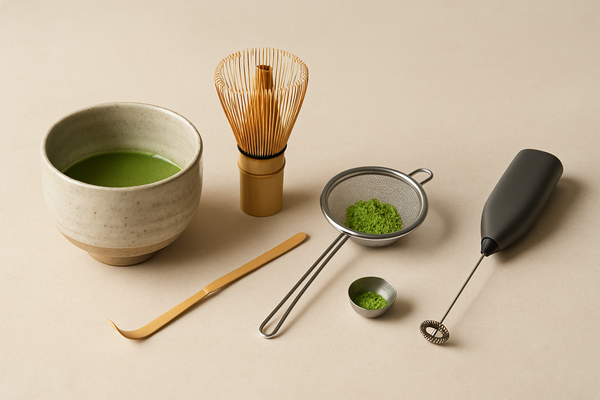
Matcha Tools Guide: Chasen, Bowls, and Practical Alternatives
A calm, practical guide to matcha tools for home use. Learn what a basic set includes, what you really need to start,...
Read More →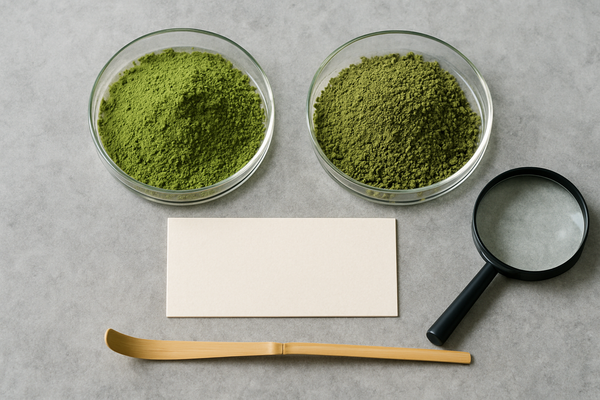
How to Spot Real Matcha in Japan: Colorings, Origins, and Uji Matcha Labels
A calm guide to reading matcha labels: coloring additives, ingredients, powdered green tea, and what “Uji matcha” act...
Read More →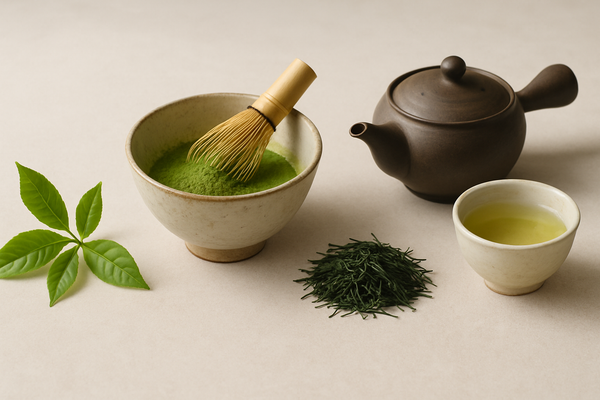
Matcha vs Green Tea vs Sencha vs Gyokuro: A Quick Comparison
Matcha, sencha, and gyokuro are all types of green tea. This guide compares how they are grown, processed, served, an...
Read More →