Hello from ICHIZEN. If you have ever wondered whether matcha is simply green tea ground into powder, you are not alone.
The short answer is: matcha is made from tencha, a special refined tea leaf. The way the leaves are grown, processed, and turned into powder quietly shapes the color, aroma, and texture in your bowl.
Matcha starts with tencha
The starting point for matcha is tencha, not ordinary finished green tea. Tencha is made from tea leaves grown under shade, then steamed and dried.
Unlike sencha, the leaves are not rolled into thin needles. Once dried, tencha leaves are light, flat, and delicate. At this stage, they are still not the matcha powder you whisk at home.
Shading helps build umami
Tea leaves for matcha are grown with reduced sunlight before harvest. This softer light environment helps create a gentler bitterness and a fuller sense of umami and sweetness.
When you see words like “mellow,” “fresh,” or “green” used to describe matcha, those impressions begin here, before the leaves are ever powdered.
After harvest, the leaves are steamed, dried, and refined
Freshly picked leaves are steamed to prevent oxidation. They are then dried and refined, with stems and leaf veins carefully removed so that the suitable parts remain for matcha.
This refined tencha is what later becomes the powder used for usucha, matcha lattes, and sweets. In other words, the taste of matcha is not decided only at the final milling stage. It is built through the whole tencha-making process.
Why is matcha made into such a fine powder?
Matcha is not brewed and filtered like many other teas. You drink the tea leaf itself in powdered form, so particle size and evenness matter for both texture and ease of whisking.
ICHIZEN matcha is selected and refined by Wakimoto Jokoen, a fourth-generation green-tea wholesaler in Ide-cho, Kyoto, working with tea from Kyoto Uji. It is machine-milled into an ultra-fine, uniform powder.
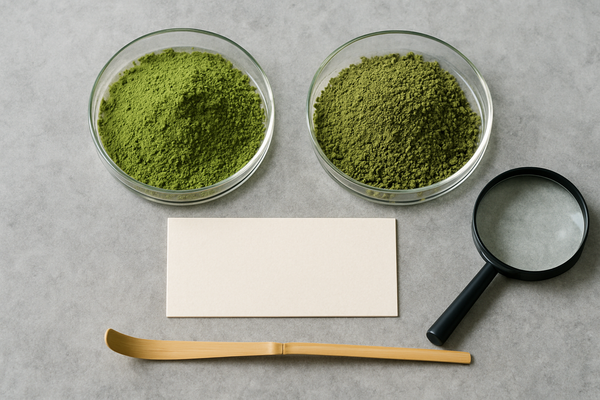
If the powder is too coarse, it can feel gritty on the tongue. A fine, even powder blends more smoothly with water and feels softer when whisked.
Knowing the process makes choosing easier
When choosing matcha, you do not have to judge by color or price alone. It helps to begin with how you want to enjoy it.
For whisking with water, look for smooth texture and a pleasant finish.
For lattes, look for aroma and umami that can hold up with milk.
For sweets, consider color, fragrance, and a balanced bitterness.
If you are unsure, starting with a small amount is often the calmest choice. You can browse ICHIZEN matcha for different uses in our collection.
At home, protect matcha from light, heat, and moisture
Because matcha is such a fine powder, it is sensitive to its surroundings. After opening, keep it well sealed and away from light, heat, and moisture.
Use a dry, clean spoon, and avoid leaving the tin or pouch open near steam. Even a little moisture can make matcha clump and dull its aroma.
Once you know how matcha is made, a single bowl may feel a little more layered. The next time you whisk it, you might think of the quiet journey from tencha to ultra-fine powder.
FAQ
What is the difference between matcha and green tea?
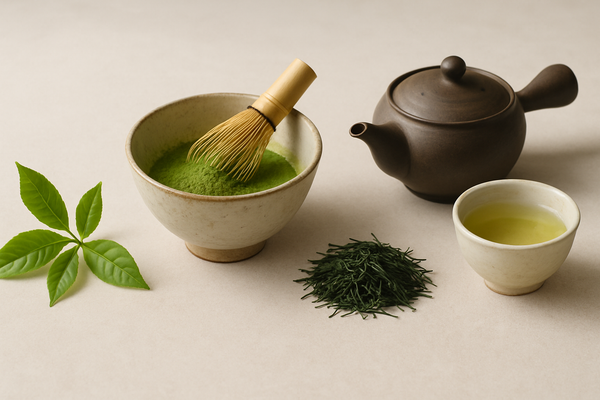
Matcha is made by milling tencha into a fine powder, so you consume the tea leaf itself. Sencha and many other green teas are brewed by infusing leaves in hot water.
Can tencha be drunk as tea?
Tencha can be infused, but it is generally refined and milled as the raw material for matcha. Its taste and aroma are different from finished matcha powder.
Why does matcha clump so easily?
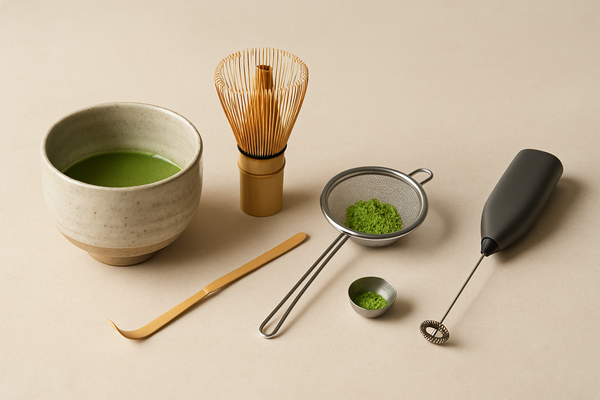
Matcha is an extremely fine powder, so the particles can stick together when they absorb moisture. Sifting before whisking helps it blend more smoothly.
How should I choose matcha for drinking or cooking?
For whisking, focus on smooth texture and finish. For cooking or sweets, look at color, aroma, and balanced bitterness so the matcha suits your use.