Hello from ICHIZEN. If you have ever wondered why uji matcha is spoken of with such respect, you are not alone.
The answer is not a single secret. It comes from Kyoto’s long tea culture, cultivation methods suited to matcha, careful tencha processing, and the quiet skill of people who select and finish the tea.
Uji matcha is more than a famous name
Uji, in Kyoto, has long held an important place in Japanese tea culture. Its connection with tea ceremony, tea merchants, and specialist craftsmanship has helped shape the refined image of matcha today.
Still, the name “Uji” alone does not make every matcha taste the same. The quality of the tencha, the finishing, the storage, and even how you prepare it all affect the cup in front of you.
When you choose matcha, it helps to look beyond origin and ask: What kind of flavor is this tea aiming for? Who is involved in selecting and finishing it?
The taste begins with shaded cultivation and tencha
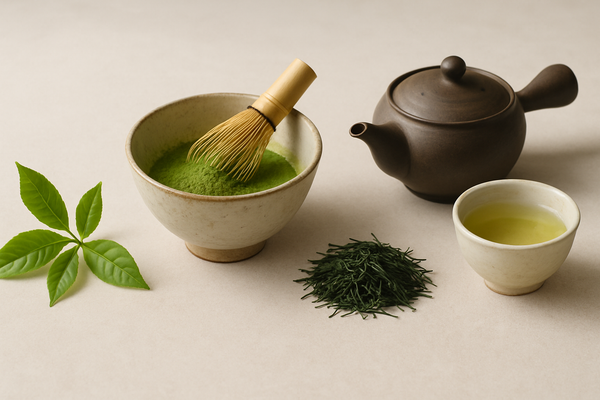
Matcha is made from tencha, not ordinary sencha leaves. In general, tencha leaves are grown under shade before harvest, reducing direct sunlight for a period of time.
This shaded cultivation helps develop the mellow umami, fresh green aroma, and gentle bitterness people often look for in matcha. The vivid green color is also connected to careful cultivation and processing.
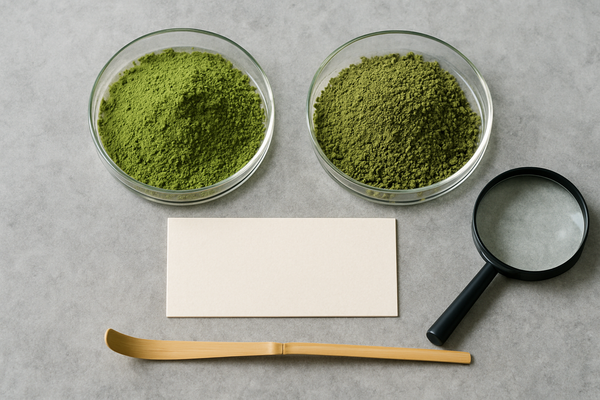
Color matters, but it is not the only sign of quality. A good matcha should not smell harshly grassy or leave only bitterness behind. Aroma, body, smoothness, and aftertaste all deserve your attention.
Finishing skill gives matcha its balance
Matcha is not complete simply because tea leaves have been powdered. Selection, firing, blending, milling, and storage all involve fine judgement.
ICHIZEN matcha is selected and refined by Wakimoto Jokoen, a fourth-generation green-tea wholesaler in Ide-cho, Kyoto. Their work is supported by tea-judging expertise connected with the Kyoto tea evaluation tradition.
ICHIZEN uses machine milling to create an ultra-fine, uniform matcha powder. This helps give a smooth mouthfeel, whether you prepare it as usucha-style matcha or whisk it into a latte.
How should you choose uji matcha?
If you are new to matcha, it is easy to think the most expensive option is always the safest choice. In practice, the best matcha is the one that fits how you want to enjoy it.
For drinking straight, look for balanced umami and aroma.
For lattes, choose a matcha with enough color and body to stand up to milk.
For sweets, look for aroma that remains clear without excessive bitterness.
Your ideal matcha may change depending on whether you want a quiet daily bowl or something to enjoy slowly on the weekend. You can compare ICHIZEN’s current matcha selection with your own use in mind.
Storage is part of the flavor
Matcha’s delicate aroma is sensitive to light, moisture, heat, and air. After opening, keep the package tightly sealed and use it while the fragrance is still fresh.
If you store matcha in the refrigerator, be careful about condensation caused by temperature changes. Take out only what you need, work quickly, and seal it again well.
What makes it special is quiet consistency
Uji matcha is special not because of one dramatic claim, but because many careful steps come together: a place with deep tea culture, ingredients suited to matcha, and skilled finishing that brings the flavor into focus.
Next time you choose matcha, try looking at origin, aroma, umami, intended use, and who refined it. That small shift can make it easier to find a bowl that feels right for you.
FAQ
How is uji matcha different from regular matcha?
Uji matcha is shaped by Kyoto’s tea culture, tencha production, and finishing skill. Quality still varies by product, so it is best to consider taste, use, and refinement as well as origin.
Can I use uji matcha for lattes?
Yes. For lattes, choose matcha with clear color, body, and enough umami to remain present when mixed with milk. This helps the matcha aroma come through more naturally.
Does a bright green color always mean high quality?
A vivid green color can be a helpful clue, but it is not the whole story. Aroma, umami, bitterness, smoothness, and storage condition all affect the quality of matcha.
How should I store matcha after opening?
Keep matcha sealed and away from light, moisture, heat, and air. If refrigerated, avoid condensation by taking out only what you need and closing the package quickly.