Hello from ICHIZEN. If you have chosen good matcha, you naturally want the last bowl to taste as pleasant as the first.
The basic answer is simple: keep matcha away from light, air, moisture, heat, and strong odors. With a few small habits, you can protect its color, aroma, and soft sweetness much more easily.
What makes matcha lose freshness?
Matcha is finely ground tea. Because the powder has a large surface area, it reacts with air and humidity more quickly than whole tea leaves.
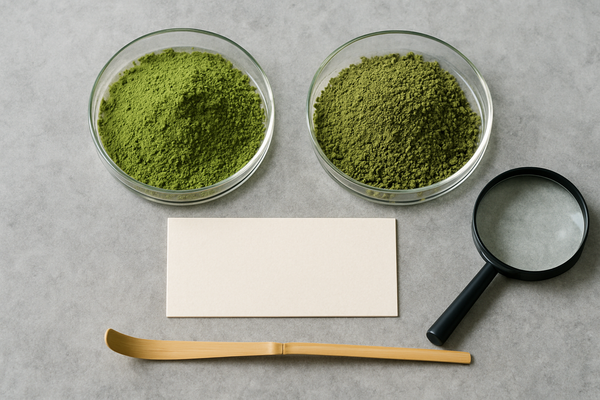
Sunlight, warm rooms, wet spoons, and refrigerator odors are common problems. They can make the green color look dull and the aroma feel flatter.
Store unopened and opened matcha differently
Before opening: keep it cool and dark
For unopened matcha, a cool, dark cupboard is usually the first choice. In hot weather, or if you will not open it soon, you may keep the sealed package inside an airtight bag in the refrigerator or freezer.
The important point is temperature. If matcha has been stored cold, let the whole package return to room temperature before opening it. Opening it while cold can cause condensation, and moisture is not kind to matcha.
After opening: reduce air exposure
Once opened, fold the inner bag tightly, close the tin, and place it inside a resealable bag if possible. If you drink matcha every day, a cool, dark place may be enough. If you drink it more slowly, refrigeration can be helpful.
As a practical guide, try to enjoy opened matcha within about one month for the clearest aroma. It does not suddenly become unusable after that, but the flavor will gradually become gentler.
Small storage mistakes to avoid
Do not keep matcha near a stove or sunny window.
Do not put a wet spoon or chashaku into the powder.
Do not store it for long in a clear container.
Do not open it immediately after taking it out of the refrigerator.
Matcha can also absorb surrounding aromas. It is best to keep it away from coffee, spices, pickles, and other strongly scented foods.
A simple step before whisking
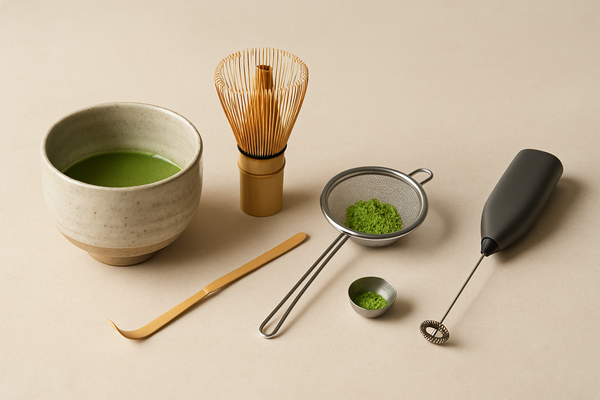
Before making matcha, sift the powder through a fine tea strainer. Even when stored carefully, fine powder can naturally clump, and sifting helps it blend smoothly with hot water.
For matcha from Wakimoto Jokoen in Kyoto Uji, gentle storage helps you enjoy its aroma and umami more clearly. If you would like to compare different options and uses, you can browse ICHIZEN’s matcha collection.
Good storage is not complicated. Keep matcha protected from light, air, moisture, heat, and odors, and your daily bowl will feel more consistent and calm.
FAQ
Should matcha be stored in the refrigerator?
Before opening, a cool, dark place is usually enough. In summer or for longer storage, keep the sealed package in an airtight bag in the refrigerator. Let it return to room temperature before opening.
How long should I use matcha after opening?
For the best flavor, try to finish opened matcha within about one month. It may still be usable after that, but the aroma and color will gradually become softer.
Can I freeze matcha?
Yes, unopened matcha can be frozen. After taking it out, do not open it right away. Let the sealed package come back to room temperature first to prevent condensation.
Does clumping mean my matcha was stored badly?
Humidity can cause clumping, but fine matcha powder may also clump naturally. Sifting it before whisking helps create a smoother texture and better mixing.