Hello from ICHIZEN. If you are planning a visit to Uji, Kyoto, you may be wondering where to begin your tea walk.
This Uji Kyoto tea guide is written for a first-time visitor who wants to enjoy matcha and Japanese tea without rushing. Rather than trying to see everything, give yourself space to walk, sit, taste, and notice the quiet details.
Where should your Uji tea walk begin?
Part of Uji’s charm is that tea does not feel separate from the town. Around the Uji River and the Byodoin area, you will naturally find tea shops, sweets, cafés, and the gentle scent of green tea.
If it is your first visit, start with a short walk by the river. Once your pace slows down, a bowl of matcha or a cup of sencha may feel more vivid and memorable.
A simple route that does not feel rushed
You can enjoy Uji’s tea culture in half a day, especially if you leave room between stops. A calm rhythm is often better than a long checklist.
Morning: walk around the Uji River and take in the atmosphere
Late morning or lunch: sit down for matcha, gyokuro, or sencha
Afternoon: visit a tea shop and choose tea or simple tools to take home
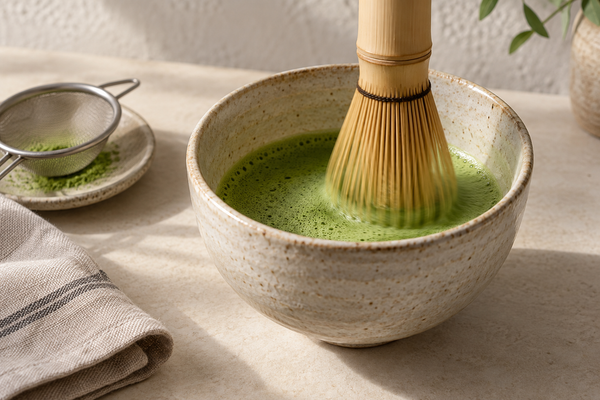
If you are new to matcha, it is perfectly fine to begin with a matcha latte or a tea sweet. From there, you can gradually explore usucha, the lighter style of whisked matcha, and notice its aroma, umami, and gentle bitterness.
What to notice at tea shops and cafés
Aroma is the first doorway
Before you think too hard about taste, pay attention to aroma. Some teas feel fresh and green; others suggest umami, toasted notes, or a soft sweetness.
With matcha, notice both the fragrance before drinking and the aftertaste that remains. Try not to judge it only by bitterness. A good tasting moment often includes sweetness, depth, and a clean finish.
When buying tea, decide how you will use it
In a travel mood, it can be tempting to buy a large amount. But matcha is best enjoyed for its fresh aroma, so a size you can finish comfortably is usually the wiser choice.
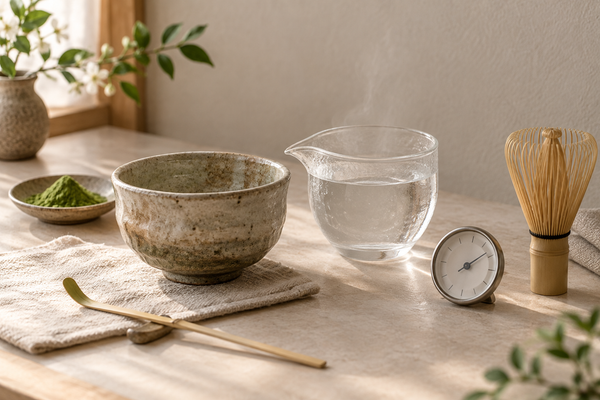
Will you whisk it plain, make lattes, or use it in sweets? If you know the purpose, it becomes much easier to ask for help in a shop. If you plan to prepare matcha at home, also check whether you have a chasen whisk and a small sieve.
Bringing the feeling of Uji home
After your trip, keep matcha away from light, heat, moisture, and strong odors. Once opened, seal it well and place it somewhere you will actually use it, so it does not become a souvenir that stays untouched.
ICHIZEN matcha is made with tea from Kyoto Uji, selected and refined by Wakimoto Jokoen, a fourth-generation green-tea wholesaler in Ide-cho, Kyoto. It is machine-milled into an ultra-fine, uniform powder. If you would like to understand the basics more deeply, you may also enjoy our guide to what Uji matcha is.
Leave room for quiet discoveries
A tea walk in Uji is not only about famous places. It is also a chance to discover what tastes good to you—one aroma, one sip, one pause at a time.
Walk slowly, sit when you can, and let the tea guide your pace. That calm rhythm is often what stays with you after returning home.
FAQ
How much time do I need to enjoy tea in Uji?
For a walk around the Uji River, one tea break, and a little shopping, half a day can be enough. If you also want to visit the Byodoin area, allow about three to five hours.
Can I enjoy teas other than matcha in Uji?
Yes. In Uji, you can find matcha as well as sencha, gyokuro, and hojicha. Some cafés offer tasting sets, which are a helpful way to compare aroma and flavor.
How should I carry home matcha bought in Uji?
Matcha should be protected from light, heat, moisture, and strong odors. Avoid leaving it in a hot place while traveling, then seal it well at home and use it while fresh.
Can I visit Uji tea spots if I only speak English?
Major sightseeing areas often have some English signs, but not every tea shop will. Writing down the tea type you want and your budget can make ordering and asking questions easier.