Hello from ICHIZEN. If you enjoy matcha, you may naturally wonder: can I drink it every day?
For many people, the answer is yes, as long as the amount feels right for your body. The key is to pay gentle attention to strength, caffeine, timing, and how you feel after drinking it.
Start with a gentle bowl, not the strongest one
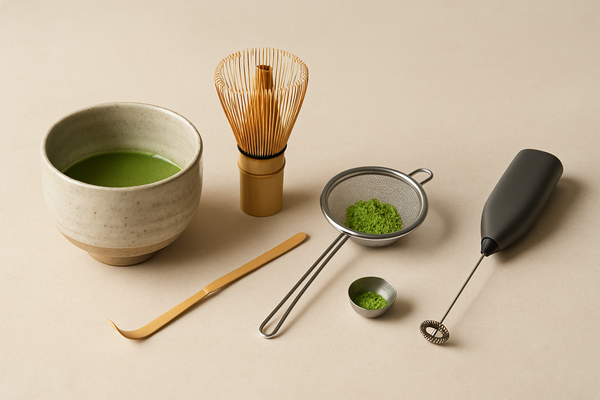
When you are new to matcha, a very strong bowl can feel like the “proper” version. For everyday drinking, though, a lighter usucha is often easier to enjoy.
Try starting with about 1–2g of matcha and 60–80ml of hot water. If you notice stomach discomfort, restlessness, or lighter sleep, reduce the amount or take a day off. A good routine should feel calm, not forced.
Is matcha good for you?
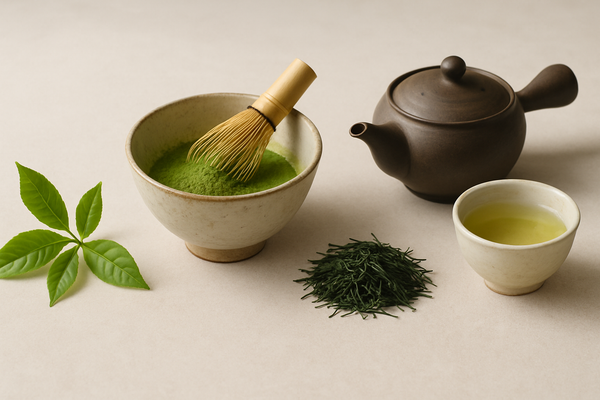
Matcha is powdered tencha, so you drink the tea leaf itself rather than only an infusion. That gives matcha its distinctive body, umami, aroma, and satisfying finish.
At the same time, matcha contains caffeine. Rather than thinking of it as simply “good” or “bad,” it is more helpful to ask whether it fits your meals, sleep, and personal sensitivity.
Timing can change how matcha feels
When do you imagine enjoying your matcha — in the morning, or as a quiet afternoon pause? The right timing is personal, but these simple guidelines can help.
Morning: if your stomach is sensitive, drink it after a light meal
Afternoon: enjoy it as a gentle reset between tasks
Evening: keep it modest if caffeine affects your sleep
If you are pregnant, breastfeeding, highly sensitive to caffeine, or taking medication and unsure, it is best to speak with a qualified professional.
For daily matcha, freshness matters
Because you use matcha little by little, storage has a real effect on flavor. Keep it away from light, heat, moisture, and strong odors. After opening, seal it carefully and enjoy it while the aroma is fresh.
If you want a quiet, umami-rich Uji matcha for daily use, choosing a tea with a visible producer can be reassuring. ICHIZEN focuses on single-origin matcha from Wakimoto Jokoen in Uji, Kyoto. You can compare options in our matcha collection when you are ready.
A small bowl is enough
Matcha is not something you need to drink in large amounts. Some days it may be a light bowl, some days a latte, and some days none at all.
Let your daily matcha be something that quietly supports your morning or afternoon, at a pace that feels natural to you.
FAQ
Can I drink matcha every day?
For many people, matcha can be enjoyed daily in a moderate amount. Start with a light bowl using about 1–2g of powder, then adjust the amount and timing according to your sleep, stomach comfort, and overall sensitivity.
Should I be concerned about caffeine in matcha?
Matcha does contain caffeine. If caffeine affects your sleep, or if you are pregnant, breastfeeding, or especially sensitive, consider avoiding it later in the day or reducing the amount. If unsure, consult a qualified professional.
Is it okay to drink matcha on an empty stomach?
Some people find matcha feels heavy on an empty stomach. If that happens, enjoy it after breakfast or with a small sweet. You can also use less powder or slightly cooler water to soften the taste.
What kind of matcha is best for daily drinking?
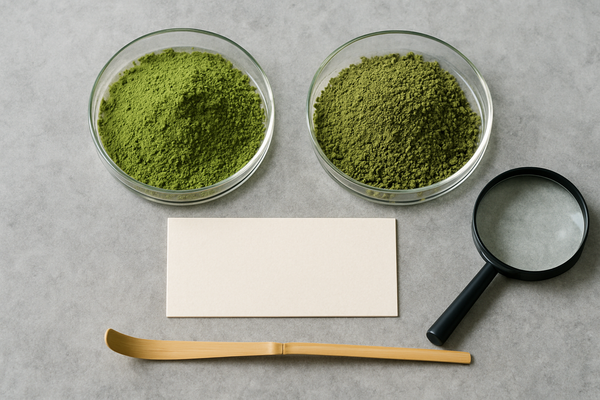
For daily matcha, choose one with fresh aroma and a flavor suited to how you drink it. For usucha, look for balance and umami. For lattes, choose a matcha with enough character to stand up to milk.