

Japanese Tea Ceremony Guide: Manners and Spirit for Beginners
Supervised by Wakimoto Jokoen Co., Ltd. — Uji tea manufacturer, Kyoto
Share
Hello from ICHIZEN. If you are new to the Japanese tea ceremony, it can feel a little intimidating at first — as if every movement has to be perfect.
But the heart of tea is not about performing flawlessly. It is about receiving one bowl of matcha with care, noticing the season, and sharing a quiet moment with another person.
What is the Japanese tea ceremony really about?
The Japanese tea ceremony, or chanoyu, is more than drinking matcha. It brings together the tea room, utensils, seasonal sweets, the sound of hot water, and the thoughtful exchange between host and guest.
If you are attending for the first time, you do not need to know everything. Watch gently, move slowly, and follow the guidance around you.
There are several schools of tea, and details can vary. The points below are a beginner-friendly overview, especially useful for an introductory thin tea gathering.
What happens at a first tea gathering?
1. You prepare before entering the tea space
Before a tea gathering, it is helpful to keep your clothing neat and simple. Strong perfume and large accessories are best avoided, as fragrance and delicate utensils are part of the experience.
You may be asked to remove a watch or ring. This is not formality for its own sake; it helps protect the tea bowl and other utensils.
2. You receive a sweet before the matcha
In many thin tea gatherings, a sweet is served before the bowl of matcha. Its gentle sweetness softens the bitterness of the tea and helps the flavor feel rounder.
You may hear guests say a short phrase to the next person before taking the sweet, meaning “excuse me for going before you.” Even if you do not know the words, the spirit is simple: be aware of the people around you.
3. You receive and drink the bowl of matcha
When the bowl is brought to you, receive it with both hands. The front of the bowl is often turned slightly away before drinking, as a sign of respect for the host’s chosen bowl.
If you are unsure how to drink it, taking two or three calm sips is usually fine. You may notice that some guests make a small sound at the final sip, but there is no need to exaggerate it.
Simple manners that help you feel at ease
Beginners often worry about the exact order of movements. In practice, the most important thing is to treat the host, other guests, and utensils with care.
- When unsure, pause and quietly observe before moving.
- Use both hands when receiving or handling a tea bowl.
- Add a short greeting of thanks when receiving the tea.
- If sitting on the floor is difficult, ask in advance whether a chair is available.
Many beginner tea experiences are welcoming and flexible. It is perfectly acceptable to say that it is your first time.
The spirit of tea can come home with you
A well-known idea in tea is ichigo ichie: this meeting, this weather, this bowl of tea will never be repeated in exactly the same way.
That is why flowers, scrolls, bowls, and sweets are chosen with care. Even without deep knowledge, you can ask yourself, “Why might this have been chosen today?” That question alone changes how you experience the moment.
At home, the spirit can be very simple. Clear a small space, listen to the water heating, warm the bowl, and whisk the tea without rushing. These small actions can turn matcha into a quiet pause in your day.
What do you need to begin at home?
You do not need a full set of formal utensils to begin. A matcha bowl, a bamboo whisk, and a tea scoop or small spoon are enough for a simple bowl of thin tea.
Choose matcha with a clear color, a gentle aroma, and a fine, even texture. ICHIZEN’s Uji matcha from Kyoto is selected and refined by Wakimoto Jokoen, a fourth-generation green-tea wholesaler with tea-judging expertise. It is made as an ultra-fine, uniform powder, which makes it approachable for everyday whisking.
If you would like practical steps, you may also enjoy our guide on how to make matcha at home. Understanding water temperature and whisk movement can also help you appreciate a bowl served in a tea gathering.
Small mistakes to avoid as a beginner
The most common mistake is moving too quickly. In a tea setting, pausing, observing, and using both hands already communicates respect.
It is also fine not to know every rule. Tell the host or organizer that you are new, and you will usually be guided naturally.
The first step into tea is beautifully simple: receive the bowl with both hands, notice the aroma, and taste the matcha quietly. From there, understanding can grow at your own pace.
FAQ
Can beginners join a Japanese tea ceremony?
Yes. Introductory tea experiences and thin tea gatherings are usually beginner-friendly. Let the host know it is your first time, then observe calmly and follow their guidance.
Should I finish all the matcha in a tea ceremony?
In general, you drink the full bowl served to you. The amount is usually modest and is often taken in two or three calm sips. If you have concerns, ask in advance.
What should I wear to a tea ceremony experience?
Choose clean, comfortable clothing that is easy to sit in. Avoid strong perfume, large rings, and bulky watches to protect the tea bowl and preserve the fragrance of the space.
Is making matcha at home the same as tea ceremony?
Formal tea ceremony includes study within a tea school, but making matcha carefully at home can still carry the spirit of tea: attention, respect, and presence with one bowl.
Column
Related Articles
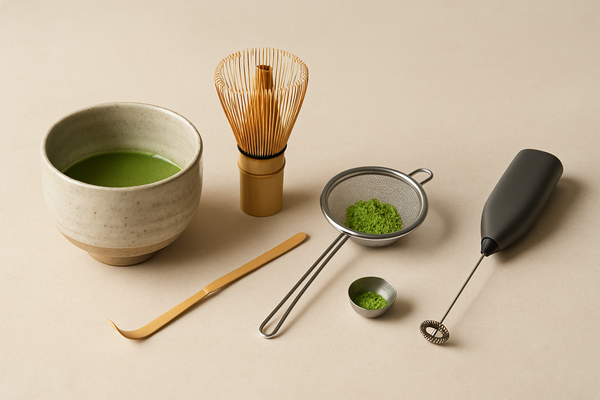
Matcha Tools Guide: Chasen, Bowls, and Practical Alternatives
A calm, practical guide to matcha tools for home use. Learn what a basic set includes, what you really need to start,...
Read More →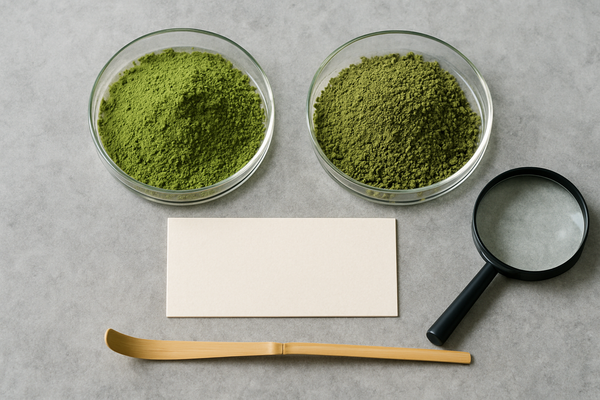
How to Spot Real Matcha in Japan: Colorings, Origins, and Uji Matcha Labels
A calm guide to reading matcha labels: coloring additives, ingredients, powdered green tea, and what “Uji matcha” act...
Read More →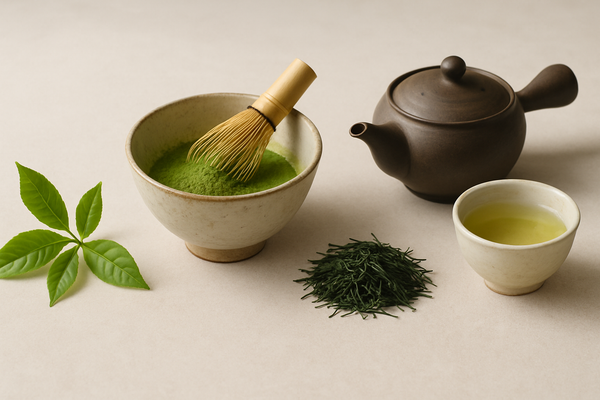
Matcha vs Green Tea vs Sencha vs Gyokuro: A Quick Comparison
Matcha, sencha, and gyokuro are all types of green tea. This guide compares how they are grown, processed, served, an...
Read More →