Hello from ICHIZEN. If you have matcha at home and find yourself making only lattes, you are not alone.
Matcha is much more flexible than it may first seem. With a small amount and a few simple habits, you can enjoy it in drinks, breakfast, desserts, and even savory dishes.
What kind of matcha works well for recipes?
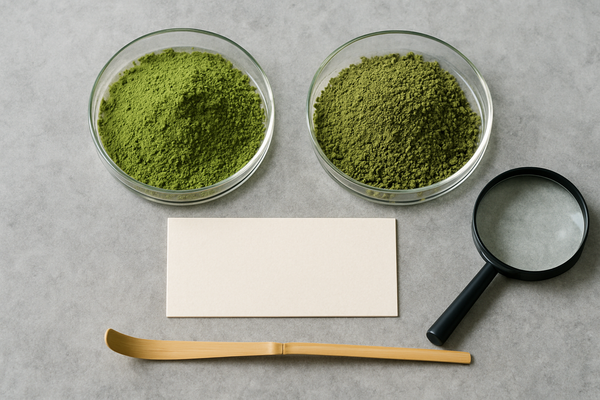
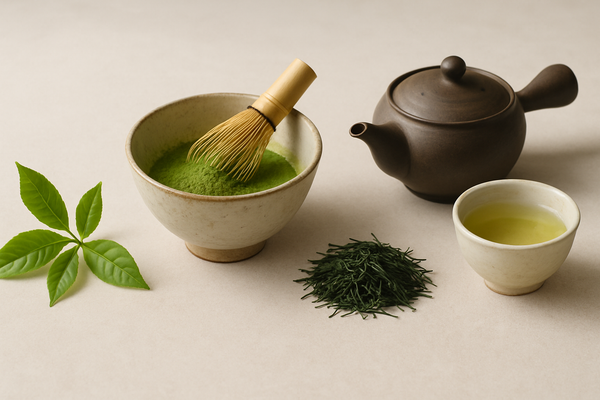
For everyday matcha recipes, balance matters: clean aroma, gentle bitterness, and a smooth finish. High-grade single-origin matcha from Kyoto Uji, such as matcha produced by Wakimoto Jokoen, tends to hold its character even when combined with milk, sugar, or food.
As a general guide, use 1–2 g of matcha per serving. If you want a stronger taste, dissolve the matcha well first, then adjust the amount. This helps avoid a powdery texture.
If you are choosing matcha for home use, you may like to browse our matcha collection while thinking about how you want to enjoy it: straight, with milk, or in simple recipes.
7 easy matcha recipes beyond latte
1. Basic usucha, or thin matcha
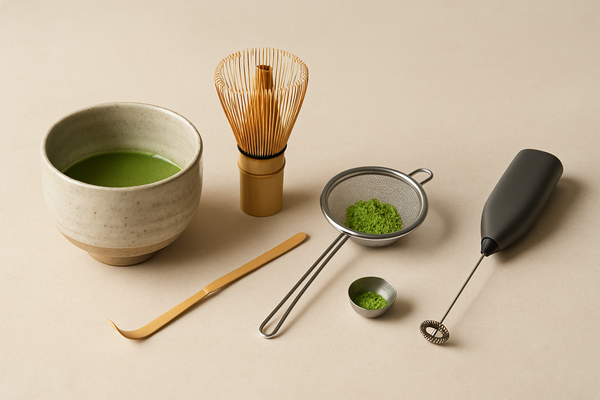
Sift 2 g of matcha into a bowl, add about 70 ml of hot water at 70–80°C, and whisk briskly. This is the best place to begin if you want to understand the matcha’s natural aroma and balance.
2. Iced matcha water
Mix 2 g of matcha with a small amount of hot water to make a smooth paste. Add 150 ml of cold water and ice. It is clean, refreshing, and a good choice when you do not want sweetness.
3. Matcha yogurt
Stir 1 g of matcha into 100 g of plain yogurt with a little honey or sugar. For a smoother texture, mix the matcha with the sweetener first, then fold it into the yogurt.
4. Matcha oatmeal
Combine 30 g of oats with 120 ml of milk or soy milk. Add 1 g of matcha near the end, especially if heating, so the color stays bright. Banana or sweet red beans pair naturally with it.
5. Matcha butter toast
Mix 10 g of softened butter with 0.5–1 g of matcha and a little sugar, then spread it over warm toast. Start with a smaller amount of matcha; a little can be surprisingly aromatic.
6. Matcha salt
Blend 1 part matcha with 3–4 parts salt. Use a small pinch with tempura, grilled vegetables, or mild white fish. The green aroma of matcha adds a quiet, savory lift.
7. Matcha affogato-style dessert
Dissolve 2 g of matcha in 30 ml of hot water and pour it over vanilla ice cream. The contrast of warm matcha and cold ice cream brings out the fragrance beautifully.
Small tips that make matcha recipes easier
The most common concerns are clumps, harsh bitterness, and dull color. These simple steps make a noticeable difference.
Sift matcha before using it.
Use water around 70–80°C rather than boiling water.
Make a paste with a small amount of hot water before adding milk or cold water.
After opening, keep matcha tightly sealed away from light and moisture. If you store it in the refrigerator, let the container return closer to room temperature before opening to reduce condensation.
Enjoy matcha in small, personal ways
You do not need a complicated setup to enjoy matcha. Start with thin matcha, yogurt, or toast, and notice the strength and sweetness that feel right to you.
On days when you want more aroma, choosing the matcha a little more carefully can become part of the pleasure.
FAQ
Do I need a bamboo whisk for matcha recipes?
A bamboo whisk helps make thin matcha and lattes smooth, but some recipes can be made with a small whisk or shaker. Sifting the matcha first is the most important step for reducing clumps.
What is the difference between matcha for cooking and matcha for drinking?
Matcha for drinking usually emphasizes aroma and mouthfeel, while cooking matcha is often chosen to pair with sugar or dairy. If bitterness concerns you, start with a small amount and adjust.
Can I mix matcha directly into milk?
You can, but it often becomes clumpy. For a smoother result, mix matcha with a small amount of hot water first to make a paste, then add milk, even when making an iced drink.
How soon should I use matcha after opening?
For the best aroma, use opened matcha as soon as reasonably possible. Keep it sealed away from light and moisture, and be careful of condensation if storing it in the refrigerator.