Hello from ICHIZEN. If you have ever wondered whether to choose matcha or hojicha, you are not alone.
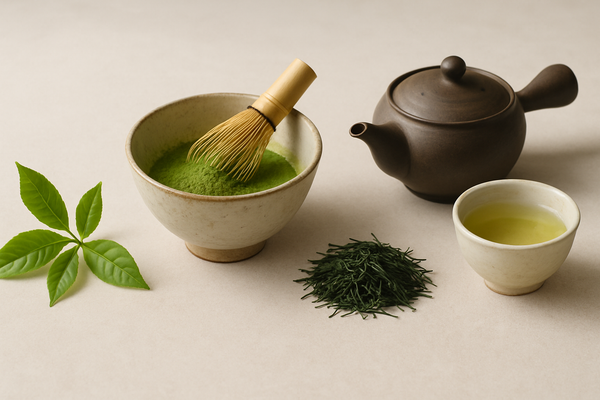
The simple answer is this: matcha is finely powdered tea that you drink whole, while hojicha is roasted green tea that is usually brewed as an infusion. Their flavors, aromas, and best uses are quite different, so it helps to choose by the kind of moment you want to create.
What is the main difference between hojicha and matcha?
Matcha is tea you drink as a fine powder
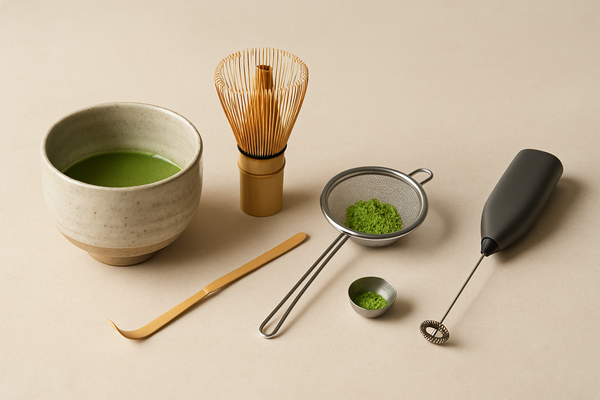
Matcha is made from tencha, a shaded tea leaf that is refined into a fine powder. Because you whisk the powder into water and drink the leaf itself, the flavor can feel full, green, and layered, with both umami and gentle bitterness.
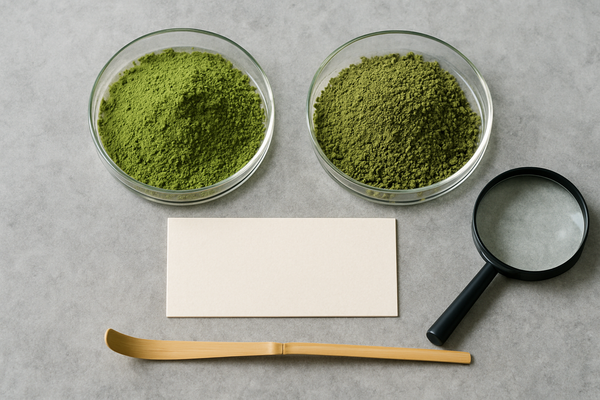
ICHIZEN’s matcha is selected and refined by Wakimoto Jokoen, a fourth-generation tea wholesaler in Kyoto Uji with tea-judging expertise. It is machine-milled into an ultra-fine, uniform powder for a smooth drinking experience.
Hojicha is about roasted aroma
Hojicha is made by roasting green tea leaves or stems. It is usually brewed in a teapot or enjoyed from a tea bag, giving a warm, toasty aroma and a clean finish.
Where matcha often feels fresh and green, hojicha can remind you of roasted grains, nuts, or warm caramel notes. It is a comforting choice after meals or when you want something gentle and aromatic.
How do the flavors and caffeine feel different?
If you are choosing for the first time, try asking yourself what kind of taste you want today.
Choose matcha for rich umami, a vivid green color, and a fuller mouthfeel.
Choose hojicha for roasted aroma, a lighter taste, and a clean finish.
Choose matcha when you want bright color in lattes, sweets, or desserts.
In general, matcha may feel more stimulating because you consume the powdered leaf. Hojicha often feels lighter, partly because of its roasted profile, though caffeine levels vary depending on the tea material, amount used, and brewing style.
Which one is better for lattes and sweets?
Matcha is very easy to use in lattes, ice cream, baked goods, and creams because it is already a powder. It brings color as well as flavor, but it is sensitive to light, heat, air, and moisture, so keep it sealed and use it while fresh.
Hojicha works beautifully with milk, brown sugar, red bean, and creamy desserts. You can brew the tea strongly for a latte, or use hojicha powder when a recipe calls for a dry ingredient.
If you would also like to understand how matcha differs from everyday green tea, you may find our guide to matcha vs green tea helpful.
How should you choose?
Choose matcha when you want a focused, vivid cup in the morning or a refined latte with a clear tea character. Choose hojicha when you want something roasted, soothing, and easy to enjoy after a meal.
Neither is better than the other. They simply offer different kinds of quiet pleasure. Today, would you like the green depth of matcha, or the roasted warmth of hojicha?
FAQ
Which is more bitter, matcha or hojicha?
Matcha is usually more likely to taste bitter because you drink the powdered leaf itself. Good matcha also has umami, and the taste changes with water temperature and preparation. Hojicha is generally roastier and cleaner.
What is the difference between a hojicha latte and a matcha latte?
A matcha latte has vivid color and a smooth umami character, while a hojicha latte is defined by roasted aroma and a lighter finish. Hojicha also pairs very naturally with milk when you want a toasty flavor.
Can I use hojicha powder instead of matcha?
In lattes and some sweets, you can substitute hojicha powder, but the color and aroma will change completely. If a recipe depends on matcha’s green color and umami, the result will feel like a different dessert.
Do matcha and hojicha need different storage?
Both should be sealed away from moisture, light, heat, and strong odors. Matcha is especially sensitive because it is a fine powder, so it is best enjoyed soon after opening and stored in a cool place.