Hello from ICHIZEN. If you have ever searched for matcha online, you may have wondered: what is the real difference between Japanese vs Chinese matcha?
The short answer is this: origin matters, but it is not the only thing to look at. Taste, intended use, labeling, and powder texture will usually tell you more about whether a matcha is right for you.
What makes Japanese and Chinese matcha different?
Matcha is not simply any green tea ground into powder. In general, it is made from tea leaves grown with shading, processed carefully, and milled into a fine powder.
In Japan, matcha developed closely with the culture of tea ceremony. Uji, in Kyoto, is especially known for matcha with graceful aroma, umami, and a clean green color. If you would like more background, you can also read our guide to Uji matcha.
China also produces matcha, and some Chinese matcha is used widely for drinks, sweets, and food service. As with any origin, quality and style vary from one product to another.
How do they usually taste?
Japanese matcha is often chosen for umami and aroma
Japanese matcha tends to be appreciated for its savory umami, gentle sweetness, fresh green aroma, and rounded finish. If you want to whisk matcha with hot water and drink it plain, these details become easier to notice.
That said, not every Japanese matcha tastes the same. There are everyday grades and more refined grades, and the best choice depends on your taste and use.
Chinese matcha can be practical for lattes and sweets
Chinese matcha is often chosen for lattes, baking, desserts, and blended drinks, especially when you want a larger amount at a more accessible price.
However, bitterness, aroma, color, and fineness can differ a lot between products. If you plan to drink it plain, take a moment to read the ingredient label and product description, not only the reviews.
Three things to check before you buy
Is the country of origin clearly stated?
Is it labeled as matcha, or as powdered green tea?
Is it recommended for drinking, lattes, or baking?
This is especially important because “powdered green tea” can look similar to matcha, while being made from different tea leaves or with a different process. The taste and mouthfeel may be quite different.
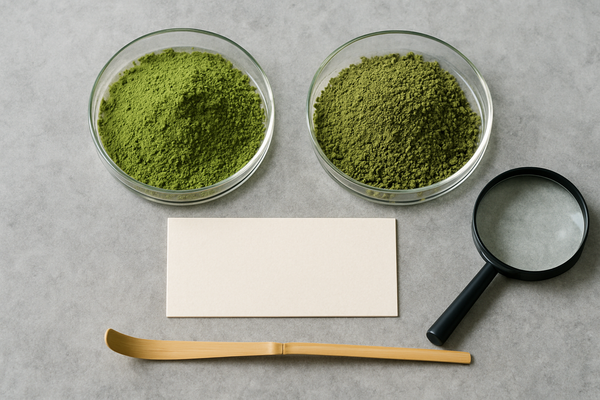
Powder texture also matters. A very fine, even powder tends to mix more smoothly and feel gentler on the palate, while a coarser powder can feel grainy.
How ICHIZEN thinks about matcha
ICHIZEN’s matcha comes from Kyoto Uji and is selected and refined by Wakimoto Jokoen, a fourth-generation green tea wholesaler in Ide-cho, Kyoto. Their tea-judging experience helps guide the balance of aroma, umami, and usability.
ICHIZEN matcha is machine-milled into an ultra-fine, uniform powder. This helps create a smooth texture whether you whisk it as usucha, prepare it as a latte, or use it in simple sweets.
Which should you choose?
If you want to drink matcha simply with water, Japanese matcha—especially Uji matcha—is often a satisfying place to start. Look not only for low bitterness, but for a pleasant finish after you sip.
If you want matcha mainly for lattes, baking, or recipes, Chinese matcha may also be a reasonable option, depending on the product. The best matcha is the one that fits how you will actually enjoy it.
Think of origin as the doorway, not the whole answer. From there, look at taste, fineness, clarity of labeling, and your own daily ritual.
FAQ
Is Japanese matcha always better?
Not always. Japanese matcha often offers clear umami and aroma, but quality and purpose vary. The right choice depends on whether you want it for plain tea, lattes, or sweets.
Can Chinese matcha be used for lattes and baking?
Yes. Chinese matcha is often chosen for lattes and baking because of price and quantity. Color, bitterness, and aroma vary, so check the ingredients and intended use.
Are matcha and powdered green tea the same?
Not necessarily. Matcha is generally made from shaded tea leaves processed and milled finely. Powdered green tea may be made from other green teas and can taste and feel different.
What should I check on the label?
Look for the country of origin, ingredients, processing location, and suggested use. Do not rely on origin alone; also check whether it is made for drinking or recipes.