Hello from ICHIZEN. If you enjoy matcha but sometimes wonder, “How much caffeine am I actually drinking?”, you are not alone.
In short, matcha usually contains more caffeine per serving than sencha, because you drink the finely powdered tea leaf itself. Compared with coffee, the amount can be lower or similar depending on how much matcha powder you use.
How much caffeine is in a bowl of matcha?
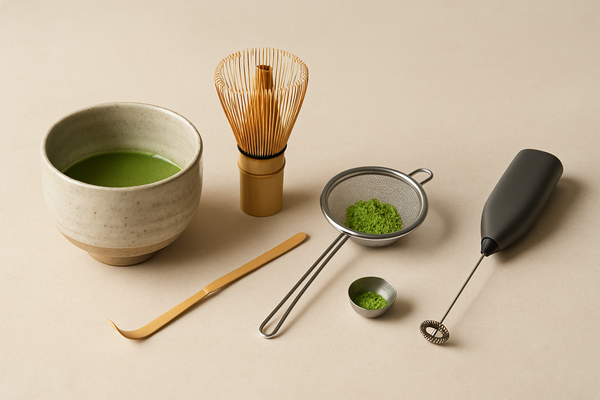
A typical serving of usucha, or thin matcha, often uses about 2g of matcha powder. As a general guide, that serving contains roughly 40–70mg of caffeine.
This is not a fixed number. It changes with the amount of powder, the style of preparation, and whether you make a light bowl, a stronger bowl, or a latte.
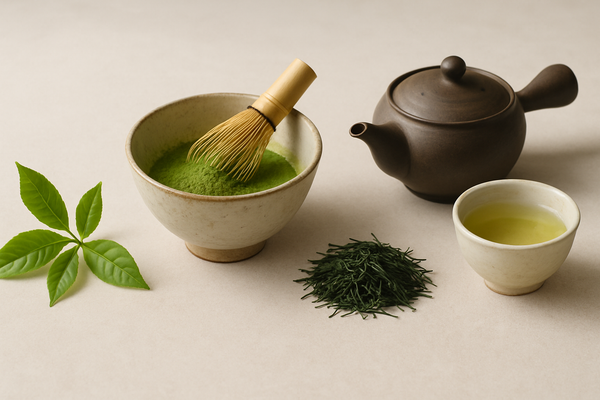
Unlike sencha, which is brewed and then separated from the leaves, matcha is consumed as a whole fine powder. That is one reason the experience can feel different from other green teas.
Matcha caffeine compared with coffee and sencha
Here is a simple serving-by-serving comparison.
Drink
Typical serving
Approx. caffeine
Matcha, thin style
About 2g powder
About 40–70mg
Drip coffee
About 150ml
About 80–100mg
Sencha
About 150ml
About 20–30mg
Hojicha
About 150ml
Around 20mg
So matcha is not always “stronger than coffee” or “lighter than coffee.” A generous scoop will increase caffeine, while a lighter serving will keep it more moderate.
This is the easiest factor to adjust. Around 1g will make a lighter cup, about 2g is a common thin matcha serving, and 3g or more will taste fuller and stronger.
The way you drink it
A matcha latte does not greatly reduce caffeine if the same amount of matcha powder is used. Milk softens the texture and flavor, but the powder amount is still the main guide.
The time of day
If you are sensitive to caffeine, it may feel better to enjoy matcha earlier in the day. When you are just getting to know your own rhythm, morning or early afternoon is a gentle place to start.
How to enjoy matcha with less caffeine
You do not need to give up matcha on days when you want a lighter cup. Try adjusting it calmly.
Use about 1–1.5g of matcha powder
Add a little more hot water or milk
Drink half a serving in the late afternoon
Enjoy it after food rather than on an empty stomach
If you still want a pleasant aroma, reducing the powder slightly can sometimes feel better than simply making the cup very watery.
A note on ICHIZEN matcha
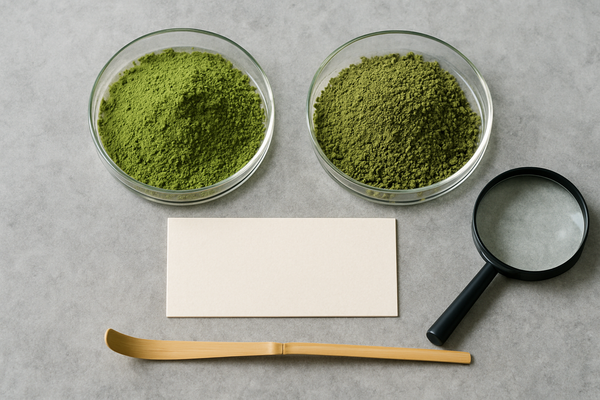
ICHIZEN matcha is made with tea from Kyoto Uji, selected and refined by Wakimoto Jokoen, a fourth-generation green-tea wholesaler in Ide-cho, Kyoto. It is machine-milled into an ultra-fine, uniform powder for a smooth texture when whisked.
The caffeine amount is mainly adjusted by how much powder you use. Some days you may want a rich bowl; other days, a gentler cup. Let the serving size fit the moment.
In short: matcha is easy to adjust by quantity
As a guide, one serving of matcha contains about 40–70mg of caffeine. It is usually higher than sencha, and it can come closer to coffee depending on preparation.
Rather than worrying over one exact number, begin with a slightly smaller scoop and notice how it feels for you.
FAQ
Is it okay to drink matcha every day?
Many people enjoy matcha as part of their daily routine in moderate amounts. If you are sensitive to caffeine or have been advised to limit it, adjust the powder amount and timing.
How late in the day should I drink matcha?
It depends on your sensitivity. If you are concerned about sleep, keep matcha lighter in the evening and first try enjoying it by early afternoon.
How can I reduce caffeine when drinking matcha?
Use about 1–1.5g of matcha powder, add more hot water or milk, or drink a half serving. Adjust gradually while keeping the flavor pleasant.
Does a matcha latte have less caffeine?
If you use the same amount of matcha powder, the caffeine amount is not greatly reduced. Milk softens the taste, but the powder amount remains the main factor.