Hello from ICHIZEN. If you have ever wondered whether matcha can work in a cocktail without tasting powdery or overly bitter, you are not alone.
The simple answer is this: make a small matcha base first, then mix it into the drink. With that one step, matcha cocktail recipes become much easier, from a clean martini to a refreshing highball.
Why matcha works beautifully in cocktails
Matcha brings gentle umami, fresh green aroma, and a refined bitterness. It can soften the sharpness of spirits and add a quiet, lingering finish.
If this is your first time, start lightly. About 1 to 1.5 g of matcha per drink is usually enough to taste its character without overwhelming the glass.
The key step: make a matcha base first
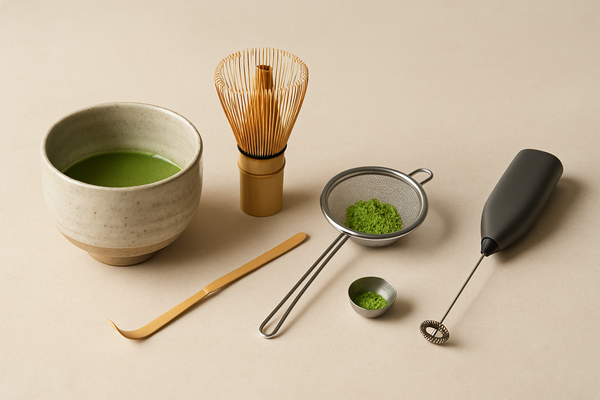
Do not add dry matcha directly to alcohol if you can avoid it. It tends to clump. Instead, whisk 1 g of matcha with 15 to 20 ml of room-temperature or slightly warm water until smooth.
This small base blends more cleanly into chilled drinks. You can use a chasen, a mini whisk, or a small shaker.
Use matcha sparingly at first
Add soda last, and stir gently
Adjust sweetness in 5 ml steps
If you would like to practice the basic texture before making cocktails, our guide to hot and iced matcha latte is a helpful place to start.
A simple matcha martini
A clean, balanced ratio
Add 45 ml gin or vodka, 10 ml dry vermouth, and 15 ml matcha base to a shaker. If you prefer a softer drink, add 5 ml simple syrup.
Shake briefly with ice, then strain into a well-chilled glass. Choose vodka when you want matcha to feel especially clean; choose gin when you want a more botanical finish.
A matcha highball for an easy first drink
Fill a glass with ice. Add 30 ml whisky and 20 ml matcha base, then stir lightly. Pour in 100 to 120 ml soda water and give it one gentle lift with a bar spoon.
The roasted, woody notes of whisky meet matcha’s pleasant bitterness. A small strip of lemon peel can make the drink feel brighter, especially with savory food.
Yes, you can make it non-alcoholic
For a non-alcoholic version, combine matcha base with tonic water, soda water, or ginger ale. If the mixer is sweet, using around 1.2 g matcha can help the flavor stay clear.
ICHIZEN’s matcha comes from Kyoto Uji and is selected and refined by Wakimoto Jokoen. It is machine-milled into an ultra-fine, uniform powder, which helps it blend smoothly into drinks when prepared as a base first.
A few quiet tips before you mix
Matcha cocktails are best made one glass at a time. The color and aroma of matcha can change as it sits, so freshly mixed drinks usually taste brighter.
Please adjust the alcohol to your own comfort and the occasion. Matcha is most enjoyable here not as a way to make a drink stronger, but as a way to bring balance, aroma, and a graceful finish.
If you are trying just one recipe tonight, begin with the matcha highball. It is simple, refreshing, and a lovely way to discover a new side of matcha.
FAQ
What kind of matcha is best for cocktails?
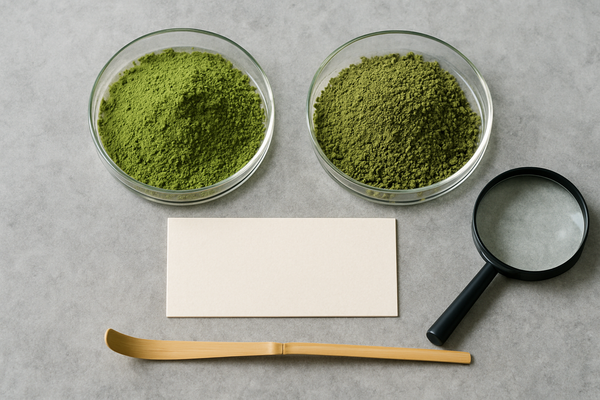
A finely milled, uniform matcha with a balanced aroma is easiest to use. If the matcha tastes quite bitter, start with a small amount and balance it with light sweetness or citrus.
Can I add matcha powder directly to alcohol?
It is better not to. Dry matcha can clump in alcohol. First mix 1 g of matcha with 15 to 20 ml of water or slightly warm water, then add that smooth base to the drink.
Can I make matcha cocktails without alcohol?
Yes. Mix a smooth matcha base with tonic water, soda water, or ginger ale for a refreshing non-alcoholic drink with matcha’s aroma and gentle bitterness.
Can I make matcha cocktails in advance?
Matcha’s color and aroma can change over time, so advance mixing is not ideal. For the cleanest flavor, prepare the matcha base and finish the drink just before serving.