Hello from ICHIZEN. When work or study asks for a little more steadiness, you may wonder whether matcha can help you settle into the next stretch.
Matcha is not a shortcut or a promise of instant focus. It is better understood as a calm ritual: a modest amount of caffeine, a warm cup in your hands, and a brief pause that helps mark a fresh beginning.
Is matcha good for focus time?
Matcha naturally contains caffeine. The amount varies by product and serving size, but a typical bowl made with about 2g of matcha contains caffeine in the range of several tens of milligrams.
Matcha also contains amino acids related to its savory, umami character. For many people, the appeal is not only the caffeine, but the whole experience: the aroma, the warmth, and the simple act of whisking before returning to the task.
How is it different from coffee?
Coffee often contains more caffeine per cup than a light bowl of matcha, and the flavor and drinking pace are different too. Your experience may depend on your sensitivity, the time of day, and how strong you prepare it.
If you would like a closer comparison, our guide to matcha caffeine versus coffee may help you choose what suits your own rhythm.
How to use matcha during work or study
If you are new to matcha, start light. A very strong bowl can taste bitter and may not feel like something you want beside your desk every day.
Drink it 5 to 15 minutes before beginning a focused session
For an afternoon reset, prepare it lightly and sip slowly
If you are sensitive to caffeine, be careful with late-day servings
The small ritual matters. Adding water, whisking, and breathing in the aroma can become a gentle signal that one part of the day is ending and the next is about to begin.
Taste makes the habit easier to keep
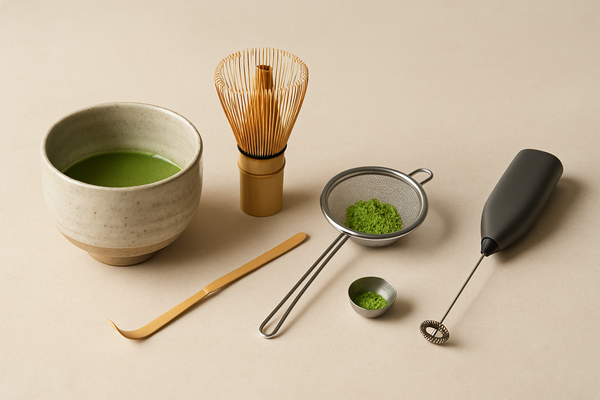
Matcha can taste sharper when the water is too hot or the powder is too concentrated. As a simple starting point, try 1.5 to 2g of matcha with 60 to 80ml of water at about 70 to 80°C. Whisk lightly until the texture feels smooth.
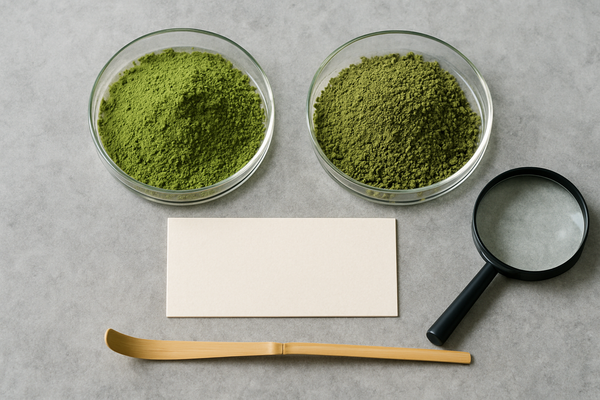
ICHIZEN matcha comes from Kyoto Uji and is selected and refined by Wakimoto Jokoen, a fourth-generation green tea wholesaler with tea-judging expertise. It is machine-milled into an ultra-fine, uniform powder, making it easy to prepare a smooth bowl for daily use.
A few things to keep in mind
Matcha is a food, not a guaranteed focus tool. If you are very tired, underslept, or unwell, one cup should not be expected to solve that. Please enjoy it in a way that feels comfortable for your body.
Some people also find strong matcha heavy on an empty stomach. On those days, make it lighter or enjoy it with a small sweet.
A quiet cup for the next task
Matcha will not magically transform a workday. But a well-prepared bowl can become a calm pause, helping you return to your desk with a clearer sense of rhythm.
Begin lightly, choose a sensible time of day, and let your own routine guide you.
FAQ
Can drinking matcha before work help me focus?
Matcha contains caffeine, so it may help you shift gears when you feel sleepy. The experience differs from person to person, so start with a light cup and adjust the amount and timing to suit you.
Is matcha or coffee better when I want to focus?
Both contain caffeine, but the amount per cup, bitterness, and drinking pace are different. If strong stimulation does not suit you, a lighter bowl of matcha sipped slowly may feel more comfortable.
Is it okay to drink matcha for studying at night?
Matcha contains caffeine, which may affect sleep for some people. If you are sensitive to caffeine, keep evening servings modest, and choose a lighter preparation if you do drink it later in the day.
How strong should matcha be during work?
For everyday work sessions, 1.5 to 2g of matcha with 60 to 80ml of water at about 70 to 80°C is an easy starting point. If it tastes bitter, use less powder or add more water.