Hello from ICHIZEN. If you have ever wondered why gyokuro, matcha, and sencha all feel so different even though they are all Japanese green teas, you are in good company.
In simple terms, gyokuro is a shaded loose-leaf tea made from first-crop young shoots, processed by steaming, rolling, and drying. Matcha is a powder, while gyokuro is brewed from whole leaves.
What exactly is gyokuro?
Following the definition used in Japanese tea labeling standards, gyokuro is made from leaves grown in a covered tea garden. Around the time the new shoots of the first crop begin to extend, the plants are almost completely shaded for about 20 days.
After harvest, the leaves are steamed, rolled, and dried, much like sencha. If you would like a quick reference, our gyokuro glossary is a helpful place to start.
Because the leaves are shaded, gyokuro tends to have a deep umami character and a gentle sweetness. If you are tasting it for the first time, it may feel closer to a delicate broth than to a brisk everyday green tea.
How is gyokuro different from matcha and sencha?
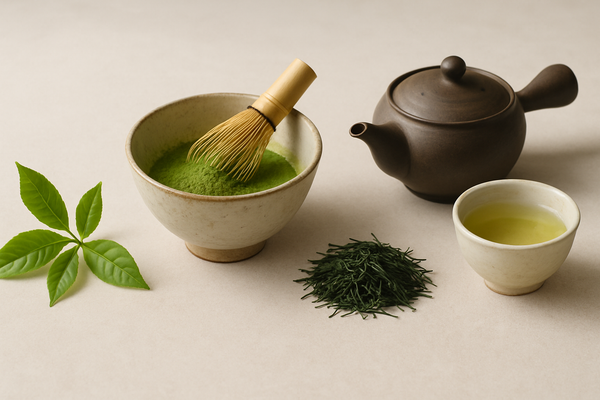
The easiest way to compare them is not only by cultivation, but also by whether the leaves are rolled, what form the tea takes, and how you drink it.
Tea
Cultivation
Processing
Form and preparation
Taste tendency
Gyokuro
First-crop shoots shaded almost completely for about 20 days
Steamed, rolled, and dried
Loose leaves brewed in a teapot
Deep umami and soft sweetness
Matcha
Made from shaded tencha
Dried without rolling, then made into a fine powder
Powder whisked with hot water
Rounded body, aroma, and richness
Sencha
Often grown in open fields, though some sencha is shaded briefly
Steamed, rolled, and dried
Loose leaves brewed in a teapot
Freshness, gentle bitterness, and aroma
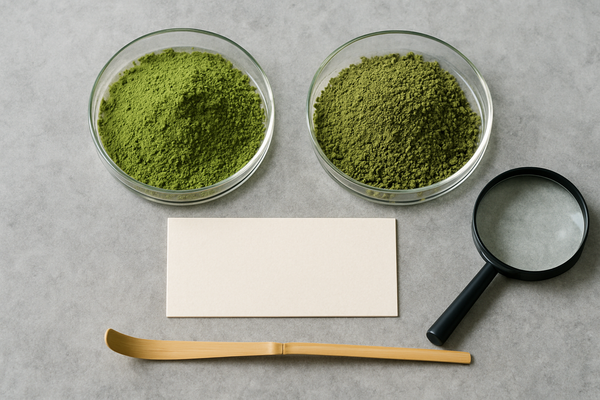
One important point: grinding gyokuro does not make it matcha. Matcha is made from tencha, a shaded tea that is dried without rolling before being powdered.
If you want to go deeper into this topic, you may enjoy our article on matcha vs. gyokuro.
What does gyokuro taste like?
The charm of gyokuro is its concentrated umami. Rather than drinking a large mug quickly, you usually enjoy a small amount slowly, noticing the texture and depth.
If gyokuro tastes unexpectedly bitter, the water may be too hot or too generous in volume. Before changing the tea itself, try adjusting those two details.
How should you brew gyokuro?
There is no single correct way to brew gyokuro. Still, a common approach is to use cooler water and a smaller amount of water so the tea’s umami comes forward gently.
Start with water around 50–60°C
Use a small amount of water for a concentrated first infusion
Steep for about 1.5 to 2 minutes, then adjust to taste
For the second infusion, you can raise the temperature slightly and steep for a shorter time. If the cup feels too intense, simply using a little more water can make it easier to enjoy.
How should you choose among Japanese green teas?
Gyokuro is suited to quiet, unhurried moments. It is less about drinking a large volume and more about tasting a small, expressive cup.
If you want a refreshing daily tea, sencha may feel natural. If you want a powdered tea for whisking or culinary use, matcha may be the better choice. For a broader overview, see our guide to types of Japanese tea.
In the end, gyokuro is shaped by cultivation, processing, and brewing style together. Instead of choosing by name alone, imagine when you want to drink it, how concentrated you like your tea, and what kind of quiet moment you want it to accompany.
Reference public materials: Kyoto Prefecture Tea Industry Council “Uji Tea Q&A” and “Types of Tea,” Ministry of Agriculture, Forestry and Fisheries “Nippon Traditional Food Encyclopedia: Uji Tea,” and Japan Tea Central Public Interest Incorporated Association “Green Tea Labeling Standards: Names and Definitions.”
FAQ
What is the biggest difference between gyokuro and matcha?
Gyokuro is a loose-leaf tea made by steaming, rolling, and drying shaded first-crop leaves. Matcha is made from shaded tencha that is dried without rolling, then powdered, so the form and preparation are different.
Does powdered gyokuro become matcha?
No. Matcha is not simply powdered gyokuro. It is made from tencha, a shaded tea dried without rolling before it is ground, so the raw material and process are different from gyokuro.
What water temperature is best for brewing gyokuro?
A common starting point is cooler water, around 50–60°C, with a small amount of water to draw out umami. If the tea tastes bitter, try lowering the temperature or adjusting the water volume.
Is gyokuro high in caffeine?
Gyokuro is often brewed in a concentrated way with a small amount of water, so it can feel strong. If you prefer to limit caffeine, consider adjusting the serving size or the time of day you drink it.