

Best Matcha Mixer: Whisk vs. Frother vs. Shaker
Supervised by Wakimoto Jokoen Co., Ltd. — Uji tea manufacturer, Kyoto
Share
Hello from ICHIZEN. If you are starting to make matcha at home, you may be wondering: do you really need a bamboo whisk, or can a milk frother or shaker do the job?
The simple answer is this: choose a bamboo whisk for traditional usucha, an electric milk frother for lattes and convenience, and a sealed shaker for cold matcha on the go. The best matcha mixer is the one that fits how you actually drink matcha.
Start with your drink, not the tool
Before comparing tools, think about your usual cup. Are you making a small bowl of hot matcha in the morning? A creamy iced latte? Something quick to take to work?
- For fine foam and a traditional bowl: bamboo whisk
- For matcha lattes and quick mixing: electric milk frother
- For cold matcha away from home: sealed shaker
ICHIZEN matcha is selected and refined in Kyoto Uji by Wakimoto Jokoen, then machine-milled into an ultra-fine, uniform powder. Even so, matcha does not truly dissolve like sugar; it disperses through water or milk. Your tool affects how smooth that suspension feels.
Bamboo whisk: best for classic usucha
A bamboo whisk is the traditional tool for preparing matcha. Its many fine tines help blend matcha with hot water while incorporating air, creating the soft, fine foam associated with usucha.
A helpful starting point is about 2 g of matcha with 60–70 ml of water. Use water around 70–80°C, first making a small paste with a little water, then whisking with light, quick movements from the wrist.
After use, rinse the whisk gently with water and let it dry in a well-ventilated place. Avoid detergent and dishwashers, which can be harsh on bamboo.
If you would like a slower step-by-step method, you may find our guide to making matcha helpful.
Electric milk frother: easy and especially good for lattes
An electric milk frother is practical, quick, and approachable. For the smoothest result, do not place it directly into dry matcha. First mix the matcha with a small amount of water to make a paste, then froth.
It works especially well for matcha lattes. Try about 2 g of matcha with 20–30 ml of water, then add warm or cold milk. The frother helps bring the matcha and milk together with little effort.
For plain hot matcha, however, the texture may not be as fine as with a bamboo whisk. Also, use a deeper cup, as shallow cups can splash when the frother starts spinning.
Sealed shaker: convenient for cold matcha, not for hot water
A sealed shaker is useful when you want matcha outside the kitchen. Add cold water or cold milk, add matcha, close the lid, and shake well.
Please do not shake hot water in a sealed container. Hot liquid can increase pressure inside the shaker, causing the lid to pop open or the liquid to spray out. For safety, use cold liquid or liquid that has cooled completely.
To reduce clumps, add the liquid first and the matcha second. Sifting the matcha before adding it can also make the texture smoother.
For more ideas, see our article on making matcha without a whisk.
How do they compare for foam, clumps, cleanup, and portability?
For the most delicate foam, the bamboo whisk is the strongest choice. For latte foam and quick blending with milk, the electric frother is very convenient. A shaker creates larger bubbles and a more casual texture.
For clumps, the whisk gives you the most control when used carefully. The frother works well if you make a paste first. The shaker is convenient, but powder can sometimes remain near the lid or bottom if added carelessly.
Cleanup depends on your habits. A frother rinses quickly, and a shaker is easy if it can be taken apart. A bamboo whisk needs gentle care, but many people find that care becomes part of the quiet rhythm of making matcha.
Which matcha mixer should you choose first?
If you want to understand the aroma and taste of matcha itself, start with a bamboo whisk. It gives you a clear sense of the matcha’s umami, bitterness, and finish.
If ease matters most, especially for daily lattes, an electric milk frother is a very reasonable first tool. If you often drink matcha away from home, add a shaker for cold preparations.
You do not need to choose one forever. A whisk at home, a frother for lattes, and a shaker for busy days can all have their place. Let the tool support your matcha habit gently, without making it complicated.
FAQ
Can a matcha mixer replace a bamboo whisk?
An electric frother or shaker can mix matcha, but a bamboo whisk is best for the fine foam and mouthfeel of traditional usucha. For lattes, substitutes are easier to use.
What is the best way to use an electric milk frother for matcha?
First make a paste with matcha and a small amount of water. Use a deeper cup and keep the frother head below the surface to reduce splashing and clumps.
Can I make hot matcha in a sealed shaker?
Do not shake hot water or very warm liquid in a sealed container. Pressure can build and cause liquid to spray out. Use cold liquid or liquid that has fully cooled.
Why does my matcha become clumpy?
Clumps often come from moisture in the powder, adding too much liquid at once, or not sifting. Sift the matcha and mix it with a small amount of liquid first.
Column
Related Articles
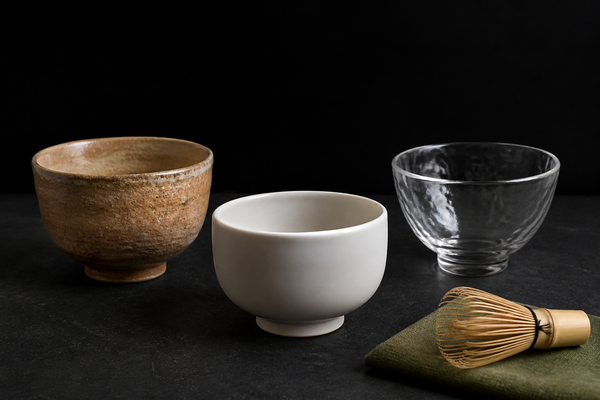
How to Choose a Matcha Bowl (Chawan): Size, Shape & Material
A calm beginner’s guide to choosing a chawan for matcha. Learn what makes a matcha bowl different from an everyday cu...
Read More →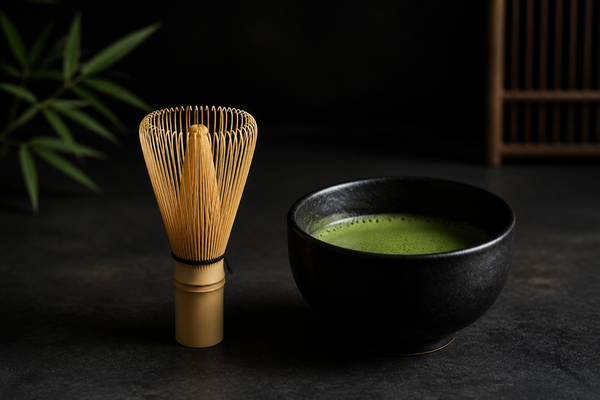
How to Choose a Matcha Whisk: Chasen Types, Prongs & Sets
A practical guide to choosing a chasen by prong style, matcha preparation and set contents—with care tips and clear s...
Read More →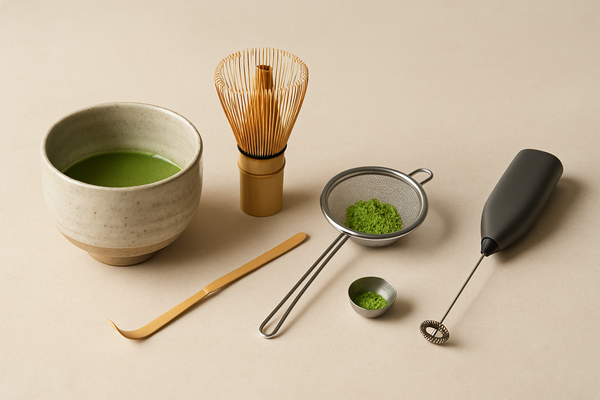
Matcha Tools Guide: Chasen, Bowls, and Practical Alternatives
A calm, practical guide to matcha tools for home use. Learn what a basic set includes, what you really need to start,...
Read More →