Hello from ICHIZEN. If you enjoy matcha but sometimes wonder, “Is matcha acidic?” or “Will it feel heavy on my stomach?”, you are not alone.
The short answer is: matcha prepared in water can be mildly acidic. But that is a statement about the pH of the drink—not a claim that matcha makes your whole body acidic.
Is matcha acidic? What pH can tell us
pH is a scale used to describe how acidic or alkaline a liquid is. A pH of 7 is neutral; lower than 7 is acidic, and higher than 7 is alkaline.
In one study of ten commercially available matcha powders, 2.5% matcha solutions had an average pH of 5.71±0.13, with a range of about 5.60 to 5.94. In simple terms, those prepared matcha samples were mildly acidic.
Still, that number does not represent every bowl of matcha. The final pH can change depending on the concentration, the water, the temperature, and the specific product.
Beverage pH is not the same as “making your body acidic”
This distinction is important.
A mildly acidic drink does not automatically make your body acidic. The body is regulated in much more complex ways than the pH of a single food or beverage.
What you may notice, however, is how a drink feels in your own stomach. Strength, caffeine, timing, and your condition that day can all influence comfort.
If your stomach feels sensitive, try a gentler cup
On days when your stomach feels delicate, you do not need to force a strong bowl. A softer preparation can be a better fit.
Avoid drinking matcha on an empty stomach
Use a little less powder and prepare it more lightly
Start with a small serving instead of a large cup
Watch how afternoon or evening matcha affects your sleep
Especially when you are new to matcha, it is easy to think that a stronger cup is the “proper” cup. But comfort matters. Starting light is perfectly reasonable.
If you are thinking about timing, our guide to the best time to drink matcha may help you find a rhythm that suits your day.
Caffeine can also affect how matcha feels
General information from NIDDK lists coffee and other caffeine sources among possible triggers for GERD symptoms. Individual responses vary, so it is best to observe your own pattern rather than assume one rule fits everyone.
Matcha does contain caffeine. If you are sensitive to caffeine, our article on matcha caffeine content can help you think about serving size and timing more clearly.
If heartburn, stomach pain, nausea, or other symptoms continue, please speak with a healthcare professional. This article is general information only and is not a diagnosis or treatment plan.
What to know about ICHIZEN matcha
ICHIZEN matcha comes from Kyoto Uji and is selected and refined by Wakimoto Jokoen, a fourth-generation green-tea wholesaler in Ide-cho, Kyoto, with tea-judging expertise.
Our matcha is machine-milled into an ultra-fine, uniform powder. That smooth texture makes it easy to adjust strength, including lighter preparations that may feel more comfortable when you want a gentler cup.
If you are wondering about other possible reactions, you may also find our article on possible matcha side effects helpful.
A calm takeaway
Matcha can be mildly acidic depending on how it is prepared, but that does not mean it “acidifies” your body.
If your stomach is sensitive, try drinking it after food, preparing it lighter, and keeping the serving modest. With small adjustments, you can find a cup that feels right for you.
FAQ
Is it okay to drink matcha every day?
Many people enjoy matcha as a daily drink, but it does contain caffeine. If you notice stomach discomfort or sleep changes, adjust the amount or timing.
Is matcha bad for the stomach?
Matcha is not necessarily bad for everyone’s stomach. Some people may feel discomfort when drinking it strong, on an empty stomach, or if they are caffeine-sensitive.
Does matcha latte change the acidity?
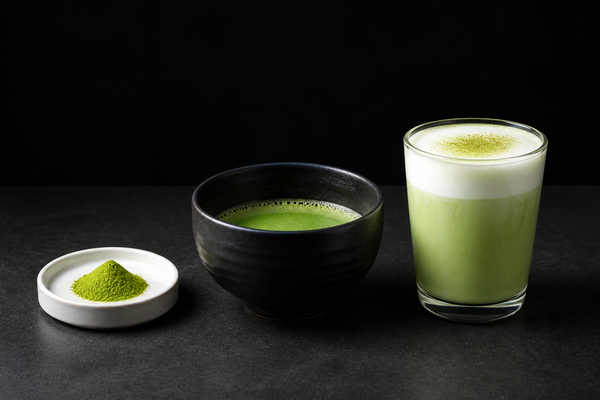
Adding milk or plant-based milk can change the final pH and mouthfeel. The result depends on the ingredients and ratio, so there is no single fixed answer.
Should people with sensitive stomachs avoid matcha?
Not always. You may try a lighter serving after food and see how you feel. If symptoms continue, it is best to consult a healthcare professional.